
Plants
If you’re wondering how much light does an inch plant need to thrive, the answer is simpler than you might think—and getting it right could be the game-changer your struggling plant needs.
This hardy little plant might look low-maintenance, but its light needs are actually the key to keeping it lush and healthy.
Most gardeners assume these tiny succulents need bright sunlight, but the truth is far simpler. Inch plants actually prefer bright indirect light, making them perfect for spaces that get too little direct sun.
Whether you're dealing with a leggy plant or dull leaves, understanding its light preferences will transform your care routine.
I’ll walk you through exactly how much light your inch plant needs—from ideal indoor spots to outdoor adjustments—and how to spot when it’s getting too much or too little. No more guesswork, just clear, practical tips to keep your plant happy year-round.
Ready to give your inch plant the perfect lighting conditions? Let’s dive into the simple secrets that make all the difference.

Optimal light requirements for inch plants: bright indirect light explained
If you're wondering how much light does an inch plant need, the answer is simpler than you might think. Inch plants (Selaginella kraussiana) thrive in bright indirect light, making them perfect for low-light spaces.
Unlike sun-loving succulents, these plants avoid harsh sunlight, which can scorch their delicate foliage. The key is finding that sweet spot between too little and too much light.
Think of your inch plant's ideal lighting as morning sunlight filtered through a sheer curtain. This mimics their natural habitat in dappled forest understories. Even in indoor settings, they adapt beautifully to east-facing windows or north-facing exposures, where light is gentle but abundant.
The goal is to provide 4-6 hours of filtered light daily without exposing them to midday sun.
Here's the critical distinction: bright indirect light (like under a tree canopy) vs. direct sunlight. While they tolerate 1-2 hours of morning sun, prolonged exposure—especially between 10 AM and 4 PM—can cause leaf burn. Watch for crispy edges or bleached spots as warning signs.
| Light Condition | Description | Plant Response | Adjustment Needed |
|---|---|---|---|
| Low Light (<3 hours) | North-facing window, deep shade | Leggy growth, pale leaves | Move to brighter spot or use grow light |
| Bright Indirect (4-6 hours) | East/west window, sheer curtain | Compact, vibrant green foliage | Ideal—no changes needed |
| Direct Sun (>2 hours) | South-facing window, no filter | Brown leaf tips, crispy edges | Move to indirect light immediately |
| Artificial Grow Light | LED grow bulb, 6-8 inches away | Uniform growth, no stretching | 12-14 hours/day for indoor setups |
Seasonal adjustments are key to keeping your inch plant thriving year-round. During spring and fall, when sunlight is milder, you can place them near west-facing windows for extended light exposure.
However, in summer's intense heat, even morning sun can become too harsh—relocate them to a spot 3-5 feet from a window or use a sheer curtain to diffuse light.
For indoor growers, grow lights are a game-changer. A full-spectrum LED bulb placed 6-8 inches above your plant provides consistent bright indirect light without the risk of overheating.
Run it for 12-14 hours daily to mimic natural daylight cycles. This is especially useful in apartments with limited natural light or during winter's shorter days.
Outdoor enthusiasts can create the perfect microclimate by placing inch plants under dappled shade, such as near trees with open canopies. Avoid dense foliage that blocks all light—aim for 30-50% shade coverage.
In containers, rotate your plants quarter-turns weekly to ensure even light exposure on all sides, preventing lopsided growth.
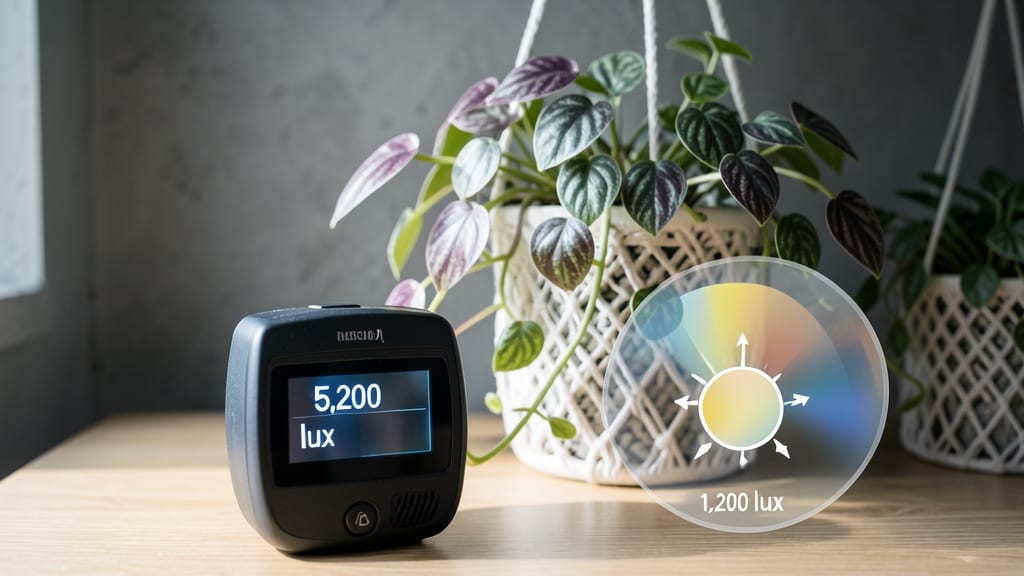
Pro tip: Use a light meter app to measure your space's light intensity (aim for 1,000-3,000 lux). Most smartphones have free apps that simplify this process. If your readings fall below 1,000 lux, supplement with a low-wattage grow light to prevent leggy growth—a classic sign of light deprivation.
Remember, inch plants are forgiving but not indestructible. If you notice yellowing leaves or stretched stems, it's your plant's way of saying, "I need more light!"
Conversely, brown patches or wilted foliage signal too much direct sun. The secret to success lies in observation and small adjustments—not drastic changes.
Optimal light requirements for inch plants: bright indirect light explained
Your inch plant thrives in bright indirect light, which is often misunderstood as needing full sun. This delicate balance means it should receive 4-6 hours of filtered sunlight daily, similar to the dappled light under a tree canopy.
Too much direct sun can scorch its tender leaves, while too little causes leggy growth and weak stems.
Think of it like a shade-loving succulent—it needs enough light to photosynthesize but not the harsh intensity that burns its foliage. The ideal spot mimics natural forest understory conditions, where light is abundant but softened by leaves and branches.
In indoor settings, place your inch plant within 3 feet of an east- or north-facing window. These windows provide gentle morning light without the intense afternoon sun. South-facing windows can work too, but you’ll need to use a sheer curtain to diffuse the light during peak hours.
| Light Condition | Ideal Duration | Plant Response |
|---|---|---|
| Bright Indirect Light | 4-6 hours daily | Healthy growth, vibrant leaves |
| Direct Sunlight | Morning only (1-2 hours) | Risk of leaf burn, yellowing |
| Low Light | Less than 3 hours | Leggy stems, pale leaves |
| Full Shade | 0 hours | Stunted growth, weak structure |
Outdoor inch plants perform best in partial shade gardens or under 50% shade cloth. If growing in containers, rotate the pot every few weeks to ensure even light exposure on all sides. This prevents one-sided growth and keeps your plant compact and symmetrical.
Seasonal adjustments are key: in summer, your inch plant may need afternoon shade to prevent heat stress, while winter’s weaker sunlight means you might need to supplement with a grow light for 6-8 hours daily.
A simple LED bulb placed 12 inches above the plant can make all the difference during darker months.
Remember, the goal is to mimic nature’s gradual light transition. Avoid drastic changes in light exposure—move plants gradually over a week if relocating them to a sunnier or shadier spot. This helps them adapt without shock, keeping those leaves lush and green.