
Plants
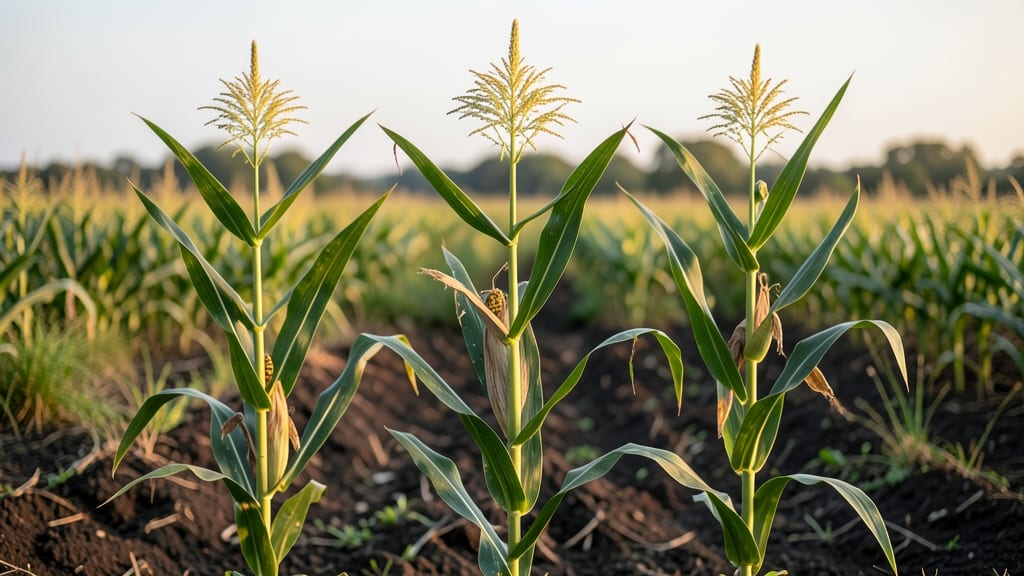
If you’ve ever planted corn and wondered just how tall your 🌽 stalks will grow, the answer might surprise you—especially when comparing backyard sweet corn to towering field varieties.
Whether you’re dreaming of a lush harvest or planning your garden layout, understanding corn height is the first step to success.
Most corn varieties reach 6 to 10 feet tall, with some dwarf types staying as short as 3 feet. But here’s the twist: genetics play a huge role—sweet corn like ‘Golden Bantam’ stays compact, while field corn can shoot up like skyscrapers.
The right spacing and growing conditions can even push your plants to their full potential.
Sunlight, soil quality, and water all influence how tall your corn grows. Too little space between plants? They’ll fight for resources and stay stunted. But with the right care, you could end up with ears of corn higher than your fence—literally.
Let’s break down the factors so you can grow corn that thrives.
Ready to turn your garden into a cornfield? I’ll show you how to pick the perfect variety, optimize your planting strategy, and avoid common mistakes that keep corn from reaching its full height. Your harvest is waiting!


Corn plant height by variety: from dwarf to towering giants
When planning your corn garden, knowing the height range of different varieties helps you choose what fits your space and goals. Most sweet corn varieties reach 6 to 10 feet tall, but some dwarf varieties stay as short as 3 to 5 feet.
The height depends on genetics, with some hybrids even surpassing 12 feet in ideal conditions!
For example, the popular Golden Bantam variety stays compact at 4 to 5 feet, making it perfect for small gardens or containers. On the other end, field corn and some popcorn varieties can tower over 10 feet, needing more space and support.
Understanding these differences ensures you pick the right variety for your garden layout and harvest needs.
Here’s a quick breakdown of how corn plant height varies by type, along with spacing tips to maximize growth and yield:
| Variety | Height Range | Spacing Needs | Best For |
|---|---|---|---|
| Dwarf Sweet Corn (e.g., 'Golden Bantam') | 3–5 ft | 6–12 inches apart | Small gardens, containers |
| Standard Sweet Corn (e.g., 'Silver Queen') | 6–8 ft | 12–18 inches apart | Home gardens, fresh eating |
| Field Corn (e.g., 'Mira') | 8–12 ft | 24–36 inches apart | Large plots, livestock feed |
| Popcorn (e.g., 'Glass Gem') | 5–10 ft | 12–18 inches apart | Ornamental, snacking |
If you’re growing sweet corn for fresh eating, standard varieties like 'Silver Queen' are ideal—they balance height and yield while fitting neatly into most backyard gardens.
For field corn or popcorn, taller varieties thrive but require more space and sturdy trellising or caging to prevent lodging (when plants fall over).
Pro tip: If space is limited, consider bush corn varieties, which grow shorter and don’t need as much room. These are bred to stay compact while still producing sweet, tender ears.
Just be sure to check the days to maturity on seed packets—some dwarf varieties mature faster, giving you an earlier harvest!
Genetics play a huge role in corn plant height, but environmental factors can push plants taller or shorter than expected. For instance, field corn in rich, fertile soil might reach 12 feet, while the same variety in poor soil could stay under 8 feet.
Next, we’ll explore how to optimize growing conditions to help your corn reach its full potential height.
🌽
Corn plant height by variety: from dwarf to towering giants
When planning your corn garden, the variety you choose directly impacts how tall your plants will grow. Sweet corn, field corn, and popcorn each have distinct height ranges that affect spacing, harvest methods, and even your garden layout.
Understanding these differences helps you pick the perfect fit for your space and goals.
Most backyard gardeners grow sweet corn varieties, which typically reach 5 to 8 feet tall. These are ideal for small gardens because they’re easier to manage and harvest.
Meanwhile, field corn varieties can tower over 10 feet, making them better suited for large-scale farming or rural settings where space isn’t an issue.
Here’s a quick breakdown of what to expect from common corn types, so you can visualize their mature sizes before planting:
| Variety Type | Height Range | Best For | Spacing Needs |
|---|---|---|---|
| Dwarf Sweet Corn (e.g., 'Golden Bantam') | 3–5 feet | Containers, small gardens | 12–18 inches apart |
| Standard Sweet Corn (e.g., 'Silver Queen') | 6–8 feet | Backyard gardens, homesteads | 12–18 inches apart, rows 30 inches apart |
| Field Corn (e.g., 'Pioneer 33B64') | 8–12 feet | Large farms, livestock feed | 36 inches apart, wide rows |
| Popcorn (e.g., 'Strawberry Popcorn') | 5–7 feet | Small gardens, novelty crops | 18–24 inches apart |
If you’re growing corn in containers or small spaces, dwarf varieties like 'Golden Bantam' are game-changers. They stay under 5 feet and produce ears just like their taller cousins, making them perfect for balconies or patio gardens.
For larger plots, standard sweet corn varieties strike a balance between manageable height and abundant harvests.
Pro tip: Check the seed packet for mature height estimates—this tells you exactly what to expect. If your garden has tall fences or limited space, opt for shorter varieties to avoid shading issues or difficulty harvesting.
Your corn’s height isn’t just about aesthetics; it’s about maximizing your yield and making the most of your growing season.
For those with ambitious dreams, field corn varieties can reach 12 feet or more, but they require ample space, rich soil, and consistent care. If you’re growing corn for livestock feed or just love the challenge, these giants deliver—but plan your garden layout accordingly! 🌽