
Plants
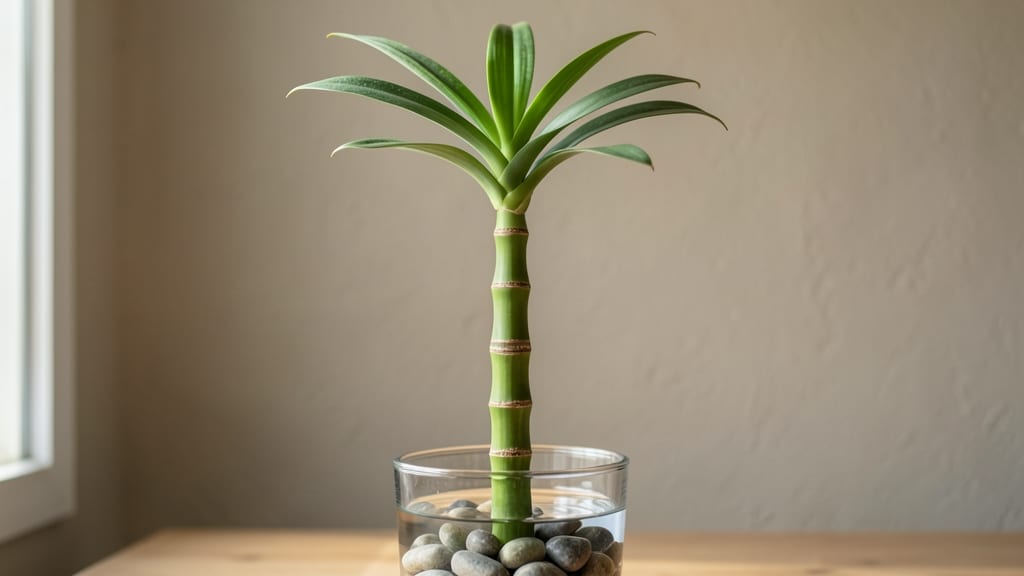
If you're wondering how tall can a lucky bamboo plant grow, the answer might surprise you—this popular houseplant can stretch from a modest 1-foot dwarf to a towering 6-foot giant, all while requiring minimal effort. 🌿 The key lies in its variety, growing conditions, and a little strategic care that most plant owners overlook.
Lucky bamboo thrives indoors year-round, making it a favorite for offices and homes in USDA Zone 6a and beyond. But here's the catch: its height isn't just about time—it's about how you nurture it.
Too much light or water can send it skyward, while proper pruning keeps it compact. Whether you want a desk-sized accent or a room-filling statement plant, understanding these factors is your secret weapon.
Let’s break down what influences your lucky bamboo’s height—from the variety you choose to the subtle tweaks in light and water that can make all the difference.
You’ll also discover how to control its growth so it fits perfectly in your space, whether you’re aiming for a bamboo bonsai or a lush water garden centerpiece.
Ready to turn your lucky bamboo into the perfect size for your home? The answers are simpler than you think—and they start with the right care routine. Let’s get growing!


Lucky bamboo height limits by variety: indoor growth expectations
Lucky bamboo (Dracaena sanderiana) is famous for its adaptability, but its height can vary dramatically depending on the variety and growing conditions.
In ideal settings, these plants typically reach 3 to 6 feet tall indoors, but some dwarf types stay under 1 foot—making them perfect for desks or shelves. The key to controlling height lies in understanding your plant’s genetics and adjusting care accordingly.
For example, the standard green variety often tops out at 4 to 5 feet, while braided or curly types may grow slightly taller due to their structural support needs.
If you’re placing lucky bamboo in a small apartment or office, dwarf varieties like the golden lucky bamboo or miniature curly types are your best bet. These stay between 12 to 24 inches tall, making them ideal for tabletop displays or hanging planters.
On the other hand, red-tipped varieties and standard green types lean toward the taller end of the spectrum, often requiring ceiling-height containers or pruning to maintain manageable proportions. The good news? With the right care, you can encourage bushier growth instead of letting it shoot upward like a bamboo stalk.
| Variety | Mature Height (Indoors) | Growth Timeline | Best For |
|---|---|---|---|
| Standard Green | 3–5 ft | 1–2 years to mature | Centerpieces, tall shelves |
| Golden Lucky Bamboo | 1–3 ft | 6–12 months to mature | Desks, small spaces |
| Red-Tipped | 4–6 ft | 2+ years to mature | Statement plants, large rooms |
| Braided | 2–4 ft | 1–1.5 years to mature | Decorative displays, gifts |
| Curly (Spiral) | 3–5 ft | 1.5–2 years to mature | Modern interiors, hanging planters |
One common misconception is that lucky bamboo grows only in water, but it thrives just as well in soil—and its height can be more controlled this way.
When grown hydroponically (in water), these plants often shoot upward faster due to the lack of root resistance, sometimes reaching 6 feet in 2–3 years. However, soil-grown lucky bamboo tends to develop a sturdier base and grows at a more predictable rate.
If you’re aiming for a compact plant, soil cultivation with regular pruning is your best strategy.
Light exposure plays a huge role in height regulation. Lucky bamboo grown in low light (like a north-facing window) will stretch toward any available light source, leading to leggy, weak stems that can grow unpredictably tall.
To keep your plant stocky and proportionate, place it near bright, indirect light—such as 2–3 feet from an east or west window. Avoid direct sunlight, which can scorch the leaves and stunt growth entirely. A simple trick?
Rotate your plant quarter-turns every 2 weeks to encourage even, balanced growth on all sides.
Container size also impacts height. If your lucky bamboo is root-bound (roots circling the pot), it will focus energy on escaping upward rather than thickening its stems. To prevent this, repot every 1–2 years into a container that’s only 2–3 inches larger in diameter than the current one.
For water-grown plants, use a narrow vase to limit root spread and encourage upward growth—but monitor water levels closely, as stagnant water can lead to root rot and stunted growth.
Pro tip: Add a layer of pebbles at the bottom of the vase to aerate the roots and promote healthier development.
If you’re growing lucky bamboo for bonsai-style displays, dwarf varieties like the golden type are ideal, but even standard varieties can be pruned to stay small. The secret? Pinching back the tips of new growth when they reach 6–8 inches tall.
This encourages the plant to branch out instead of growing taller. For braided or curly types, avoid over-pruning the main stem, as this can weaken the structure and cause the braids to unravel. Instead, focus on trimming leggy side shoots to maintain shape.
Another factor to consider is seasonal growth patterns. Lucky bamboo grows fastest in spring and summer when light levels are highest. During these months, you might see new shoots emerge every 4–6 weeks, adding several inches of height per season.
In fall and winter, growth slows dramatically, and the plant may stop growing entirely if temperatures drop below 60°F. If you’re concerned about winter height spikes, reduce watering slightly and avoid fertilizing during this dormant period to preserve energy for spring regrowth.
For those with limited vertical space, consider propagating cuttings to create multiple smaller plants. Simply snip a 4–6 inch stem from the main plant, place it in water or soil, and watch it develop roots in 2–3 weeks.
This not only controls height but also gives you multiple plants from a single parent. Just be sure to use sterilized scissors and avoid overcrowding the new cuttings, as this can lead to weak, disease-prone growth.
With this approach, you can keep your lucky bamboo at your desired height while enjoying the benefits of a fuller, bushier plant.
Remember, lucky bamboo’s height isn’t set in stone—it’s entirely up to you to guide its growth. Whether you’re aiming for a tall, dramatic centerpiece or a **compact desk companion
How to control lucky bamboo height: pruning, light, and container tips
If your lucky bamboo is shooting up faster than you’d like, don’t panic—you’re not stuck with a six-foot tower! Controlling its height is all about strategic pruning, light management, and choosing the right container size.
With a few simple adjustments, you can keep your plant at your ideal desk height or encourage bushier growth for a fuller look. The key is understanding how each factor influences its upward momentum.
Start with pruning, the most direct way to manage height. Lucky bamboo responds well to trimming, and you can even propagate the cuttings to grow new plants. Whether you want to maintain a compact shape or reset overgrowth, pruning is your best tool.
Pair this with light control, since too much bright light sends the plant into overdrive, stretching toward the sky. Finally, the container you choose plays a huge role—too much space encourages rapid growth, while a snug fit can slow it down.
Let’s dive into the step-by-step methods to keep your lucky bamboo at your desired height, whether you’re aiming for a 1-foot bonsai or a 3-foot statement piece. These techniques are easy to master and will give you full control over your plant’s growth trajectory.
| Method | How to Do It | Result |
|---|---|---|
| Pruning | Cut stems just above a node with clean scissors. Remove 1–3 inches from the top. | Slows height growth; encourages bushier growth. |
| Light Adjustment | Move to indirect light or use sheer curtains to filter sunlight. | Reduces rapid stretching; promotes compact growth. |
| Container Size | Use a smaller pot (1–2 inches wider than the root ball). | Limits root expansion; slows overall growth rate. |
| Root Pruning | Trim roots by 1/3 when repotting to reduce vigor. | Slows height growth; promotes denser foliage. |
For pruning, always use clean, sharp scissors or pruners to avoid damaging the stem. Cut just above a node (the bump where leaves grow), and you’ll encourage new shoots to sprout from that point, creating a bushier plant.
If you’re dealing with a leggy stem, you can also prune it back to the base to reset its growth entirely. Just remember: the more you prune, the more energy the plant puts into side shoots rather than upward growth.
When it comes to light, lucky bamboo thrives in indirect bright light, but too much direct sun can cause it to stretch unnaturally.
If your plant is growing too tall too fast, move it a few feet away from the window or place it near a north-facing window, where light is gentler. Artificial grow lights on a timer can also help regulate growth if natural light is inconsistent.
The goal is to mimic the plant’s natural environment—shaded under taller trees in its native habitat.
Don’t underestimate the power of your container. Lucky bamboo grows faster when it has more room to spread its roots, so if you want to slow it down, choose a pot that’s only slightly larger than its root ball.
For a compact desk plant, a 6–8 inch pot is ideal. If you notice roots circling the bottom, it’s time to repot into a slightly larger container—but even then, keeping it snug will help control its height.
You can also use root pruning during repotting to trim back aggressive roots and encourage a slower, bushier growth pattern.
With these techniques, you’ll have full control over your lucky bamboo’s height, ensuring it stays at your desired size without sacrificing its health or beauty.
Whether you’re aiming for a miniature bonsai or a tall indoor accent, the secret is in the details—pruning at the right time, adjusting light exposure, and choosing the perfect container. Soon, your plant will be exactly the size you want, thriving in your space for years to come. 🪴