
How To
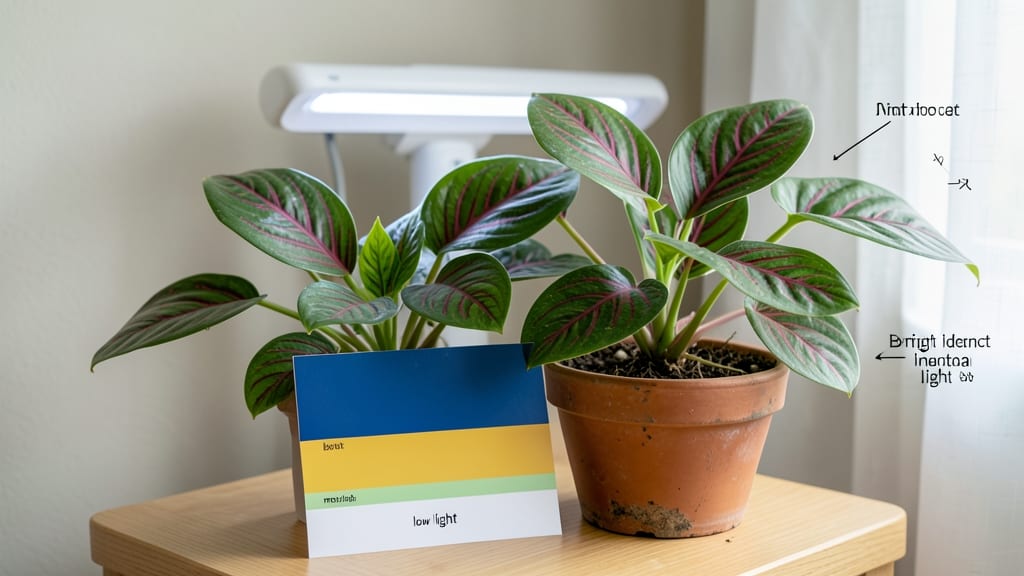
If you're wondering how much light does a Prayer Plant need to thrive, the answer might be simpler than you think—it’s all about finding the right balance. This stunning houseplant thrives in bright, indirect sunlight, but too much direct exposure or dim corners can send it into a slow decline.
I’ve watched my own Prayer Plant transform when placed just right, with vibrant foliage that unfurls beautifully in the morning. The key isn’t harsh sunlight—it’s finding that sweet spot where your plant gets enough light to flourish without risking leaf scorch or pale, stretched growth.
Whether you’re dealing with a sun-starved corner or a window that’s too intense, I’ll break down exactly how to adjust your plant’s environment. You’ll learn which windows work best, how to spot signs of light stress, and even how to supplement natural light if your space falls short.
Let’s get your Prayer Plant back to its happiest, healthiest self—no guesswork required. Your plant’s next big unfurling starts with understanding its light needs, and I’ve got you covered.

Ideal light requirements for prayer plant growth and health
The prayer plant (Maranta leuconeura) thrives in bright indirect sunlight, mimicking its natural understory habitat. Too little light causes pale, stretched leaves, while too much direct sun leads to brown leaf tips.
Aim for 4-6 hours of filtered light daily, like dappled sunlight through trees. This balance ensures vibrant foliage and prevents stress.
Indoors, place your prayer plant 2-3 feet from an east-facing window for gentle morning light. Avoid harsh afternoon sun, which can scorch delicate leaves. If natural light is limited, supplement with LED grow lights (12-14 hours/day) to maintain health.
Seasonal adjustments are key: in summer, move plants away from south/west windows to prevent leaf burn. In winter, rotate pots weekly to ensure even light exposure, as days grow shorter. North-facing windows work but may slow growth—supplement with artificial light if leaves fade.
| Light Requirement | Specification | Ideal Conditions |
|---|---|---|
| Intensity | Bright indirect | 60% sunlight (like under trees) |
| Duration | 4-6 hours/day | Morning sun + filtered afternoon light |
| Direct Sun | Tolerates brief morning sun | Avoid afternoon sun (1 PM onward) |
| Low-Light Tolerance | Survives in shade | Growth slows; supplement with grow lights |
Test your light conditions with the "shadow test": place a white sheet near your plant. If the shadow is crisp, light is too harsh—move the plant back.
If the shadow is faint, add a sheer curtain to diffuse light. East-facing windows are ideal year-round, while west-facing spots need afternoon shade.
For low-light homes, use full-spectrum LED grow lights (12-14 hours/day) 6-12 inches above the plant. Brands like Soltana or Mars Hydro offer affordable options. Rotate the plant weekly to prevent uneven growth, ensuring all leaves receive equal light exposure.
Watch for seasonal light shifts: in winter, supplement with artificial light if natural light drops below 4 hours/day. In summer, watch for leaf curling—a sign of heat stress. Adjust by moving plants to cooler, shaded areas or using a small fan for airflow.
Pro tip: Wipe leaves monthly with a damp cloth to remove dust, which blocks light absorption. Healthy leaves should be deep green with visible veins. If leaves turn yellow or brown, reassess your light setup immediately.
Remember, prayer plants are adaptable but thrive best with consistency. Monitor their response to light changes weekly, adjusting as needed. With the right balance, your plant will reward you with vibrant foliage and nightly "praying" movements.
Ideal light requirements for prayer plant growth and health
The prayer plant (Maranta leuconeura) thrives in bright indirect sunlight, mimicking its natural understory habitat. Too much direct sun causes leaf scorch, while too little leads to pale, leggy growth.
Aim for 4-6 hours of filtered light daily, like the gentle glow of an east-facing window during morning hours.
Think of your prayer plant’s ideal light as similar to the dappled sunlight under a canopy of trees. This means placing it 2-3 feet from a window with sheer curtains to diffuse harsh rays. Avoid south-facing windows, which often deliver intense afternoon sun that can damage delicate foliage.
| Light Requirement | Specification |
|---|---|
| Intensity | Bright indirect (60% light intensity) |
| Duration | 4-6 hours daily |
| Best Window | East-facing (morning sun) |
| Avoid | Direct afternoon sun, north-facing shadows |
| Seasonal Adjustment | Move 1-2 feet closer in winter; increase distance in summer |
Seasonal changes affect your prayer plant’s light needs. During winter months, when sunlight is weaker, move the plant 1-2 feet closer to the window to compensate.
Conversely, in summer’s intense heat, shift it back slightly to prevent overheating. A simple trick is to rotate the pot quarter-turn weekly for even growth.
If you notice yellowing leaves or stretched stems, your prayer plant is likely craving more light. Conversely, brown crispy edges or bleached patches signal too much direct sun.
Adjusting placement or adding a sheer curtain can solve these issues quickly. Test your light conditions by observing how shadows move across nearby surfaces.
For indoor growers without ideal windows, LED grow lights (10,000-12,000 Kelvin) can supplement natural light. Place the light 12-18 inches above the plant and provide 12-14 hours of light daily to mimic a balanced day-night cycle. This is especially helpful in north-facing rooms or basements.
Remember, the key is consistency. Prayer plants are sensitive to sudden light changes, so introduce new light conditions gradually over 1-2 weeks to avoid shocking the plant. With the right balance, your prayer plant will reward you with vibrant foliage and that iconic nightly prayer pose! 🌿