
Plants
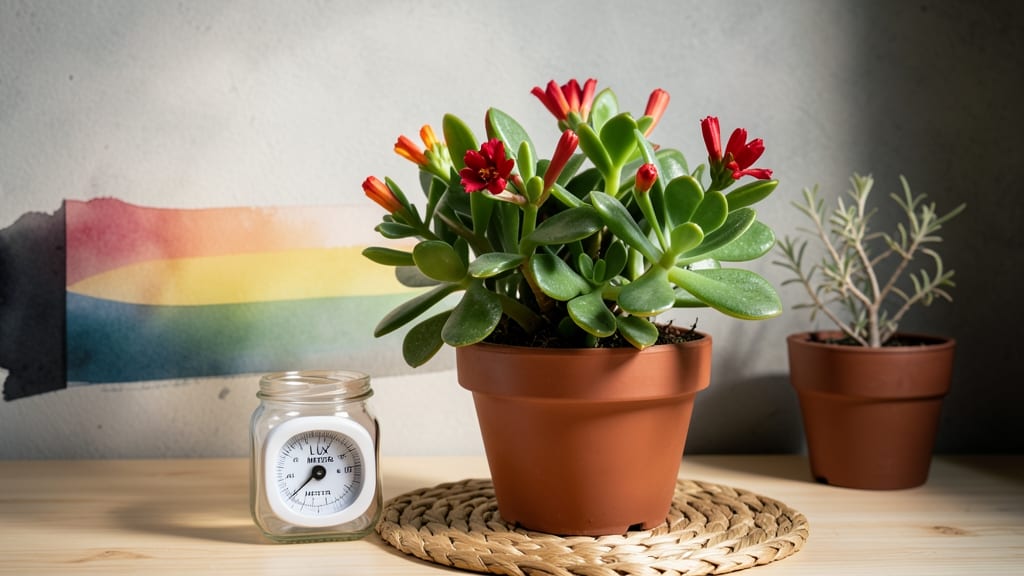
If your Kalanchoe plant 🌸 keeps stretching toward the window or losing its vibrant color, you might be guessing about its light needs—and that’s the problem.
This hardy succulent actually thrives in bright, indirect sunlight, but too much direct exposure can scorch its leaves while too little leaves it leggy and weak.
Most people assume Kalanchoe plants are low-maintenance, but the truth is they’re picky about light. Placing yours in an east or west-facing window gives it the perfect balance of morning or afternoon sun without the harsh midday glare.
I’ve seen firsthand how a few simple adjustments can turn a struggling plant into a blooming beauty.
You’ll learn exactly how many hours of light your Kalanchoe needs daily, which windows work best in your home, and how to spot signs of over- or under-lighting. Whether you’re dealing with pale leaves or crispy edges, these tips will help you create the ideal growing conditions.
Let’s cut through the confusion and get your Kalanchoe thriving with the right amount of light—no more guesswork, just lush, healthy growth every time.

Ideal light requirements for Kalanchoe plants: bright indirect sunlight explained
Kalanchoe plants are sun-lovers, but they need the right kind of light to thrive. Unlike succulents that bask in full sun, Kalanchoes prefer bright indirect sunlight—think dappled shade on a sunny day. This balance prevents leaf scorch while keeping their vibrant colors and promoting blooms.
Without enough light, your plant will stretch toward the nearest window, a sign called etiolation, leading to weak, leggy growth.
Outdoors, place your Kalanchoe where it gets morning sun and afternoon shade, like near a north-facing window or under a sheer curtain. Varieties like Kalanchoe blossfeldiana (the most common type) can handle 3-4 hours of direct sun daily, but avoid the harsh midday rays, especially in summer.
Too much direct sun causes brown, crispy leaves, while too little leads to pale, sparse foliage.
Indoors, the best spots are east- or west-facing windows, where sunlight is gentler. South-facing windows work too, but use a sheer curtain to diffuse the intensity. Rotate your plant quarter-turns weekly to ensure even growth—Kalanchoes grow toward the light, and uneven exposure causes lopsided plants.
If your home lacks natural light, don’t worry; we’ll cover grow light solutions later to keep your plant happy.
| Light Requirement | Specifics | Best For |
|---|---|---|
| Bright Indirect Light | 4-6 hours daily; east/west windows | Healthy growth, vibrant blooms |
| Direct Sun | Max 3 hours/day; morning sun only | Outdoor summer care (with caution) |
| Low Light | North window or artificial grow lights | Emergency backup (supplement with grow lights) |
Seasonal adjustments are key. In spring and fall, your Kalanchoe can handle more direct light as temperatures cool. But during summer’s peak heat, reduce exposure to prevent leaf burn. Watch for white or yellow patches on leaves—these are early warning signs of sun stress.
If you notice them, move your plant to a shadier spot immediately. Conversely, if your Kalanchoe starts stretching toward the light or developing long, thin stems, it’s begging for more brightness.
For indoor gardeners, mimic natural light cycles by placing your Kalanchoe near a window where it gets consistent light for 12-14 hours a day.
If your home has limited natural light, a simple south-facing window with a reflective surface (like a white wall or mirror) can bounce extra light onto your plant. This trick works wonders for maximizing light exposure in tight spaces.
Remember, Kalanchoes are succulents at heart, so they store water and light efficiently—but they still need enough to thrive.
Outdoor Kalanchoes in containers need extra care. Move them to a shaded patio or porch during hot afternoons, especially in zones with intense sunlight (like the Southwest U.S.). A 50% shade cloth can filter harsh rays while still allowing plenty of light.
If you’re growing Kalanchoe in the ground, plant it where it gets filtered sunlight, such as under taller plants or near a building that casts partial shade. This protects the leaves while still providing the light they crave.
Pro tip: Observe your Kalanchoe’s leaf color as a light gauge. Deep green leaves mean it’s happy, while pale or yellowing leaves signal insufficient light. Meanwhile, red or purple tinges on the edges of leaves can indicate too much direct sun.
Adjust placement based on these visual cues, and your plant will reward you with lush foliage and stunning blooms. With the right light, your Kalanchoe can live for years, gracing your space with its cheerful colors.
Finally, don’t underestimate the power of light quality. Natural sunlight is ideal, but if you’re using artificial light, opt for full-spectrum LED grow lights that mimic the sun’s spectrum. These lights are energy-efficient and won’t overheat your plant like older fluorescent bulbs.
We’ll dive deeper into artificial lighting options in the next section, so stay tuned for tips on keeping your Kalanchoe thriving even in low-light spaces. 🌸
Signs your Kalanchoe isn’t getting enough (or too much) light
Your Kalanchoe plant 🌸 speaks volumes through its leaves—if you know what to watch for. When it’s not getting enough light, it stretches toward the nearest window in search of more, a condition called etiolation.
This causes long, leggy stems and small, sparse leaves, making your plant look weak and unkempt.
On the flip side, too much direct sunlight—especially the harsh afternoon rays—can cause brown, crispy patches on the leaves. These are clear sunburn signs, and they often appear on the edges first. If you notice these dry, papery spots, your plant is begging for shade relief.
Here’s the tricky part: pale or yellowing leaves can mean either too little light or overwatering. The key difference? Check the stems. Leggy, stretched stems = light deficiency. Short, compact stems with crispy tips = too much sun.
🚨 Warning: Common Light Mistakes
Mistake 1: Placing your Kalanchoe in a south-facing window without protection. The intense midday sun can scorch leaves in just a few hours.
Mistake 2: Assuming fluorescent office lighting is enough. While better than nothing, it lacks the blue spectrum Kalanchoe needs for healthy growth.
Fix: Rotate your plant quarter-turns weekly to ensure even light exposure and prevent lopsided growth.
Another red flag? Blooms that refuse to open. Kalanchoe plants need bright light to trigger flowering. If your plant is producing buds but they stay closed or drop off, it’s likely not getting enough light to complete the blooming cycle.
For indoor growers, window placement matters more than you think. A spot 2-3 feet from an east or west window gives your plant the 4-6 hours of bright, indirect light it craves.
If your home lacks natural light, supplement with a grow light for 6-8 hours daily to mimic sunlight.
Pro tip: Touch-test your leaves. Healthy Kalanchoe leaves feel thick and firm. Soft, squishy leaves often signal overwatering in low light, while thin, papery leaves mean too much sun. Adjust your care routine based on what you feel!