
Plants
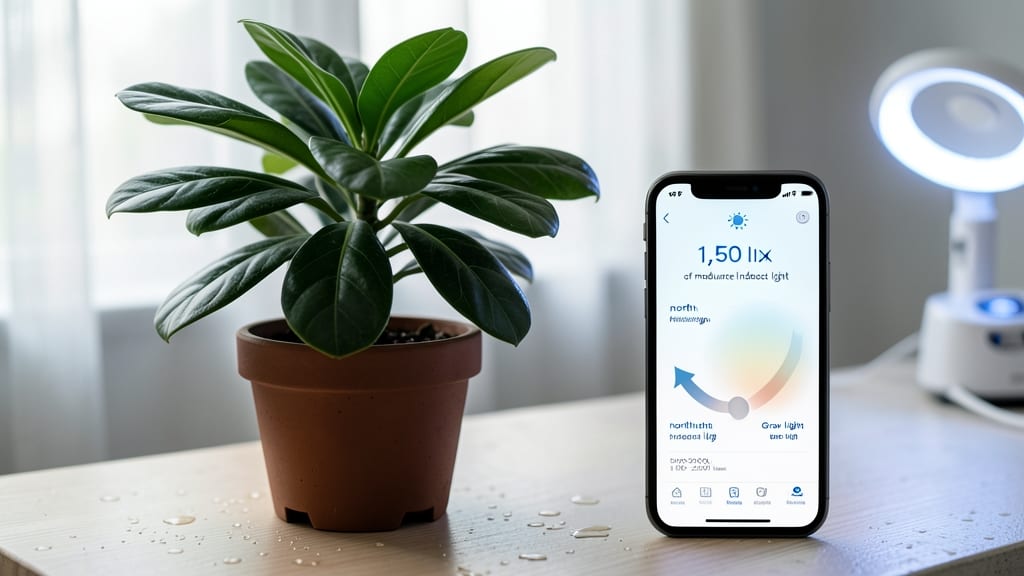
If your umbrella plant 🌿 looks sad with droopy leaves or stretched-out stems, you’re probably guessing wrong about its light needs. These tropical beauties thrive in bright indirect light—but too much direct sun or dim corners can turn them into a shadow of their former selves.
I’ve seen firsthand how a simple adjustment in placement can transform a struggling umbrella plant into a lush, vibrant centerpiece. The key? Understanding the balance between too little and too much light, and how to spot the signs before damage sets in.
Whether you’re dealing with yellowing leaves or leggy growth, I’ll walk you through the exact light conditions your plant craves—from ideal indoor spots to outdoor solutions. Let’s fix that light puzzle so your umbrella plant can finally flourish.
You’ll learn how to position it near windows, recognize warning signs, and even use artificial light if natural options fall short. Trust me, your plant will thank you with glossy, happy leaves in no time.

Optimal light requirements for umbrella plants: low to bright indirect sunlight explained
Your umbrella plant (Schefflera) thrives in bright indirect light, but understanding what that really means is key. Think of it like a sunbather: too much direct sun causes burns, while too little leaves it pale and leggy.
The ideal spot mimics dappled forest light—bright but filtered through sheer curtains or a leafy canopy.
Indoors, place it 2-3 feet from an east-facing window, where morning sun is gentle. West-facing windows can work too, but use a sheer curtain to diffuse the harsh afternoon rays.
If your home lacks natural light, a grow light (LED or fluorescent) set to 12-14 hours daily can bridge the gap.
Outdoors, your umbrella plant loves partial shade gardens—think under tall trees or on shaded patios. It can handle 1-2 hours of morning sun, but afternoon sun (especially in summer) will scorch those delicate leaves faster than you can say "leaf burn."
Seasonal adjustments are crucial: In winter, when sunlight is weaker, move your plant closer to the window or supplement with a grow light. In summer, watch for direct sun exposure and adjust placement if leaves start yellowing or crisping at the edges.
Here’s the light sweet spot for your Schefflera: 4-6 hours of bright, indirect light daily. This balance keeps leaves vibrant, encourages compact growth, and prevents the leggy stems that signal light starvation. Think of it as Goldilocks—not too hot, not too cold, but just right.
If you’re still unsure about your space, test it with this simple trick: Hold a piece of paper near your potential plant spot. If the shadow is sharp and dark, it’s direct sun—move your Schefflera away.
If the shadow is soft and fuzzy, it’s ideal indirect light. This quick test saves your plant from sunburn or light starvation.
Remember, umbrella plants are adaptable, but they won’t thrive in extreme conditions. A few weeks of adjusting to the perfect spot can make the difference between a lush, bushy plant and a sad, sparse one.
Start with bright indirect light, monitor the leaves, and tweak as needed—your plant will thank you with glossy, vibrant foliage.
For outdoor growers, early spring and fall are the best times to acclimate your plant to new light conditions. Gradually increase sun exposure over 1-2 weeks to avoid shocking the leaves. And if you’re bringing it inside for winter, do the opposite—reduce light exposure slowly to mimic seasonal changes.
One common mistake? Assuming all bright light is good light. A south-facing window with no curtain is a sunburn waiting to happen for your Schefflera. Instead, opt for sheer fabrics or frosted glass to diffuse the light while keeping it bright.
Your plant’s leaves will stay smooth and unblemished, not crispy and brown.
Finally, observe your plant’s growth patterns as your best guide. If new leaves are smaller than usual, it’s craving more light. If they’re larger but pale, it’s getting too much. This natural feedback loop is your plant’s way of communicating—listen closely, and you’ll find the perfect light balance.
Optimal light requirements for umbrella plants: low to bright indirect sunlight explained
Your umbrella plant (Schefflera) thrives in bright indirect light, which mimics its natural understory habitat. This means it needs 4-6 hours of filtered sunlight daily, like the gentle glow of a morning sun through sheer curtains.
Direct afternoon sun can scorch its delicate leaves, while dim corners cause leggy, weak growth.
Think of it like Goldilocks—not too dark, not too harsh. The ideal spot balances natural light intensity with protection from harsh UV rays. In nature, these plants grow under taller trees, where sunlight is diffused through leaves.
Recreating this environment indoors is key to keeping your Schefflera happy and lush.
🌿
During summer months, your plant may need extra protection. If placing near a south-facing window, position it 3-4 feet away to avoid leaf burn. In winter, when sunlight is weaker, you can move it slightly closer to the window to compensate.
A rotating schedule every 2-3 weeks ensures even growth and prevents lopsided development.
For outdoor placement, choose a spot under a large tree canopy or a partially shaded patio. Avoid areas where it would receive hot afternoon sun, especially between 12 PM and 4 PM.
If you notice leaves curling or developing brown spots, it’s a clear sign your plant is getting too much direct sunlight.
Pro tip: If your home lacks natural light, a grow light can supplement with 12-14 hours of cool white LED light daily. Position it 6-12 inches above the plant and adjust height as it grows to prevent stretching.
This mimics the consistent light umbrella plants crave in their native tropical environments.
🪴