
How To
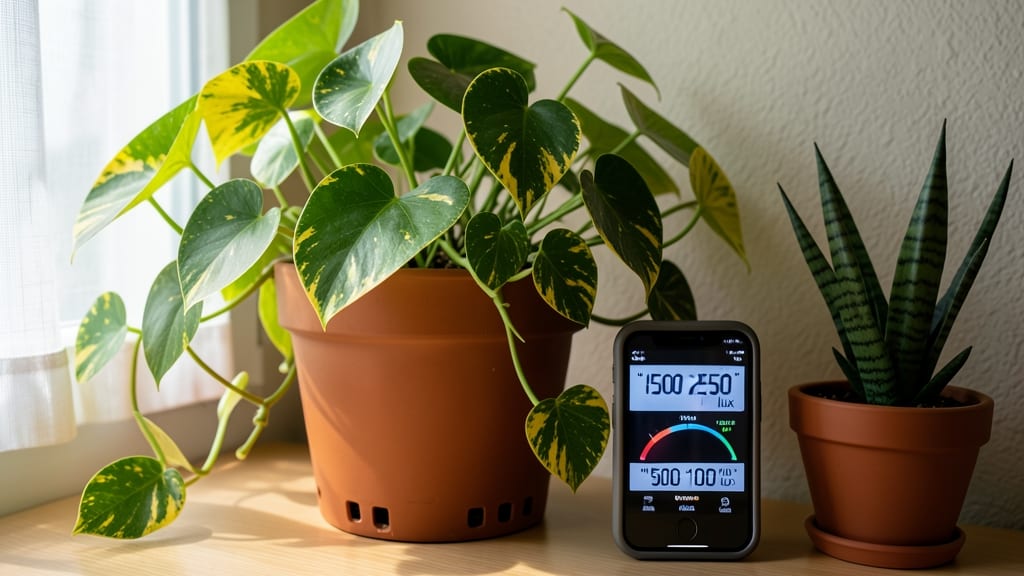
If you’re wondering how much light does a Chinese Money Plant need, you’re not alone—this plant stretches toward windows like it’s desperate for a hug, and that’s a classic sign of light hunger.
The right amount of brightness is the key to keeping those lush, round leaves vibrant and compact, not leggy and sparse.
Bright indirect light is what this plant craves, but too much direct sun can scorch those delicate leaves faster than you can say "sunburn." I’ve seen firsthand how a simple adjustment—like moving it just a few feet from a south-facing window—can transform a struggling plant into a thriving showstopper.
Don’t worry if your home lacks natural light; we’ll cover smart ways to supplement with artificial options that mimic the perfect glow. Whether you’re dealing with a bright kitchen nook or a dim corner office, I’ll show you exactly how to hit that sweet spot for happy growth.
Let’s break down the signs your plant is begging for more (or less) light—and how to fix it before it’s too late. Your Chinese Money Plant’s future depends on getting this right, and it’s easier than you think!

Optimal light requirements for Chinese Money plant growth
The Chinese Money Plant (Pachira aquatica) thrives in bright indirect sunlight, making it a perfect indoor plant for homes with natural light. Unlike sun-loving succulents, this tropical beauty hates harsh direct rays, which can scorch its delicate leaves.
The ideal spot balances 4-6 hours of filtered light daily, mimicking its native understory environment. Without enough light, your plant may stretch toward windows or develop pale, weak leaves—a classic sign of light deprivation.
Think of your Chinese Money Plant as a sunbather who prefers shade under an umbrella. East or west-facing windows provide the perfect morning or afternoon glow, while south-facing windows demand a sheer curtain to diffuse intensity.
North-facing windows work too, but growth may slow unless supplemented with artificial light. The key is consistency—gradual light exposure prevents shock and encourages lush, coin-shaped foliage that this plant is famous for.
| Light Condition | Ideal Hours/Day | Plant Response | Best Window Placement |
|---|---|---|---|
| Bright Indirect | 4-6 hours | Lush growth, dark green leaves | East/West-facing, 2-3 ft away |
| Low Light | <2 hours | Leggy growth, pale leaves | North-facing or deep indoors |
| Direct Sun | >6 hours | Brown spots, crispy edges | South-facing without filter |
| Artificial Light | 8-10 hours (LED) | Steady growth, compact shape | 12-18 inches from grow light |
Seasonal changes demand light adjustments for your Chinese Money Plant. During winter months, when natural light dims, supplement with a 12-inch LED grow light (6000K color temperature) for 6 hours daily.
In summer, if your plant starts wilting near south windows, move it 3 feet back or use a light-colored sheer curtain to scatter rays. Watch for leaf color shifts: vibrant green means perfect light, while yellow or brown edges signal stress.
Your plant’s growth pattern reveals its light needs. Healthy Chinese Money Plants grow compact and bushy, with leaves radiating from the stem like coins. If you notice long, sparse stems (a condition called "etiolation"), it’s starving for light.
Rotate the pot quarter-turns weekly to ensure even exposure—this prevents lopsided growth and keeps those iconic leaves symmetrical. A well-lit plant will also produce buds for potential flowers, though indoor specimens rarely bloom.
Outdoor enthusiasts can place their Chinese Money Plants outside in spring/summer, but only in partial shade (like under a patio umbrella). Avoid midday sun, which peaks between 10 AM and 2 PM—this is when UV rays are strongest.
If you’re unsure about your outdoor space, test it with a light meter app (aim for 10,000-20,000 lux). For container gardens, ensure pots have drainage holes to prevent root rot from overwatering in bright conditions.
Mature Chinese Money Plants (over 2 years old) tolerate slightly lower light than younger specimens, but never below 2,000 lux. If your plant’s leaves develop white or yellow patches, it’s likely sunburned—move it immediately to indirect light and mist the leaves to revive them.
For new leaves, always check the undersides for reddish hues, which indicate insufficient light. Adjust gradually: sudden light changes can cause leaf drop as the plant adapts.
Pro tip: Use a reflective surface like a mirror or white wall behind your plant to bounce extra light onto its leaves. This simple trick can boost growth by up to 30% without extra equipment. Pair this with regular pruning of leggy stems to encourage bushier, lighter-loving growth.
With the right light balance, your Chinese Money Plant will reward you with glossy, coin-shaped leaves that become the centerpiece of any room.
Remember, every home’s light varies—observe your plant weekly. If leaves curl upward, it’s too bright; if they droop, it’s too dim. The goal is consistency, not perfection. Even a few hours of bright indirect light
Optimal light requirements for Chinese Money plant growth
The Chinese Money Plant (Pachira aquatica) thrives in bright indirect sunlight, making it perfect for indoor spaces near windows. Too much direct sun can scorch its leaves, while too little light causes leggy growth and pale foliage. Understanding its light needs is key to keeping it vibrant and healthy.
This tropical plant mimics its natural understory habitat, where it receives dappled sunlight through tree canopies. In your home, this translates to placing it within 3-6 feet of an east or west-facing window, where morning or afternoon light is gentler than harsh midday rays.
🌿
| Light Condition | Ideal Location | Signs of Correct Light |
|---|---|---|
| Bright Indirect Light | East/West window, 2-3 ft away | Deep green leaves, compact growth |
| Low Light | North-facing window or room corner | Slow growth, pale leaves |
| Direct Sunlight | South-facing window without filter | Brown leaf tips, crispy edges |
Seasonal changes also affect light needs. During winter months, when natural light is weaker, supplement with a grow light for 6-8 hours daily to prevent light deprivation. In summer, use sheer curtains to diffuse intense sunlight and protect delicate leaves.
Watch for visual cues: Yellowing leaves signal too much light, while stretched stems and small leaves mean it’s craving more brightness. Adjust placement gradually to avoid shocking the plant with sudden light changes.
For best results, rotate your plant quarter-turn weekly to ensure even light exposure. This prevents uneven growth and keeps the foliage lush and symmetrical.
☀️