
Plants
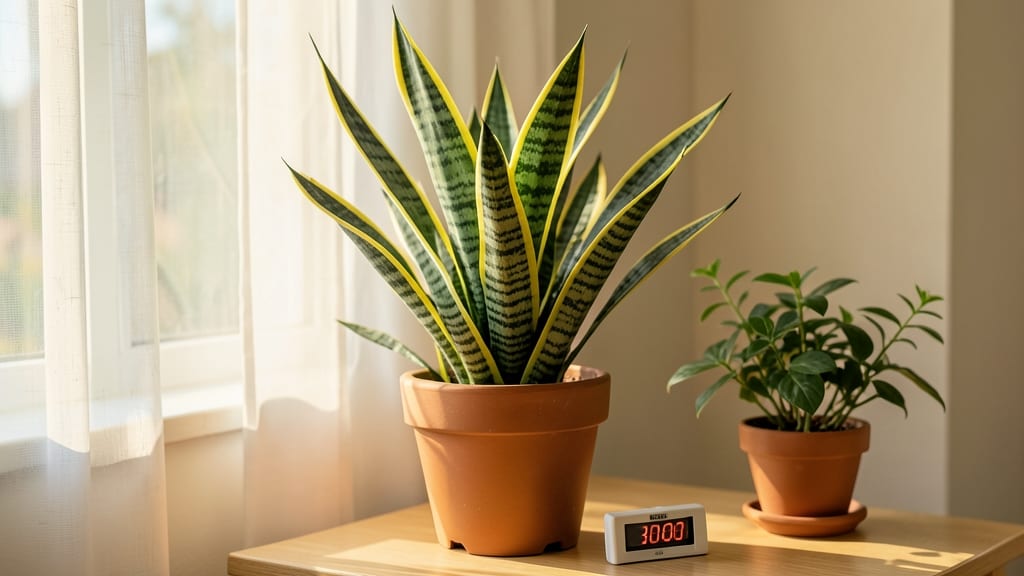
Wondering how much light does a rattlesnake plant need to thrive? If your 🌿 Calathea lancifolia is losing its stunning patterns or wilting, the answer might be simpler than you think.
This tropical beauty actually prefers bright indirect light—think east or west-facing windows—rather than harsh sunlight. Too much direct sun can scorch its delicate leaves, while too little dims its vibrant colors. The key is finding that sweet spot where it gets enough light to stay happy without getting stressed.
I’ve helped countless plant parents revive their rattlesnake plants by adjusting their light exposure. Whether you’re dealing with a north-facing room or a sunny south window, I’ll show you exactly how to create the perfect lighting conditions for your plant.
From identifying signs of light stress to practical placement tips, you’ll learn how to keep your rattlesnake plant looking its best year-round. Let’s get started!

Ideal light requirements for rattlesnake plants: low to medium indirect sunlight explained
Your rattlesnake plant (Calathea orbifolia) thrives in low to medium indirect sunlight, mimicking its native tropical understory habitat. Direct sunlight can cause leaf scorch or bleaching, while too little light dulls its signature silver-green patterns.
Aim for 1,000–2,000 lux of filtered light—about the brightness of a brightly lit office without harsh rays.
The key is bright, diffused light, not intense midday sun. Place your plant 2–3 feet from an east- or west-facing window to avoid the hot afternoon sun that south-facing windows deliver. North-facing windows work too, but supplement with grow lights if leaves start losing their vibrant contrast.
🌿 Seasonal adjustments matter: In summer, move your plant slightly farther from windows to prevent overheating. In winter, when natural light dims, rotate the pot quarter-turns weekly to ensure even growth and prevent leggy, sparse foliage.
🌱 Rattlesnake Plant Light Requirements Summary
| Requirement | Specification |
|---|---|
| Light Type | Bright indirect light |
| Lux Range | 1,000–2,000 lux |
| Best Window | East or west-facing |
| Distance from Window | 2–3 feet |
| Avoid | Direct midday sun, cold drafts |
| Seasonal Note | Rotate plant weekly for even growth |
If your home lacks natural light, grow lights are a game-changer. Use a full-spectrum LED (6,000–7,000K color temperature) 12–14 inches above the plant for 12–14 hours daily. Fluorescent bulbs work too but require closer placement—6–8 inches away—to match the light intensity.
Watch for subtle signs of light stress: Yellowing leaves or drooping signal too much light, while pale, stretched stems or fading patterns mean insufficient light. Adjust placement or lighting immediately—rattlesnake plants recover faster from underlighting than sunburn.
For deep green varieties (like Calathea orbifolia), medium indirect light suffices. But variegated types (e.g., Calathea lancifolia) need brighter conditions to maintain their striking patterns. Test your setup by monitoring leaf color and growth rate—your plant will thank you with bold, healthy foliage!
🪴 Pro tip: Sheer curtains diffuse light perfectly, while white or aluminum foil wrapped around pots can reflect extra light to deeper corners of your home. Experiment to find the sweet spot for your space.
In low-light areas, pair your rattlesnake plant with low-light companions like pothos or ZZ plants. Their similar care needs create a thriving microclimate while conserving humidity—ideal for tropical foliage lovers.
Remember: Consistency is key. Sudden light changes (like moving from a bright window to a dim corner) can shock your plant. Gradual adjustments over 1–2 weeks help it adapt without stress.
How to adjust your home’s lighting for a thriving rattlesnake plant
If your rattlesnake plant isn’t thriving, light adjustments might be the solution. Start by evaluating your space: south-facing windows deliver the harshest light, while north-facing rooms offer the gentlest. For east or west windows, position your plant 2–3 feet away to filter sunlight naturally.
If your home lacks ideal windows, grow lights become essential tools for mimicking tropical conditions.
🌿 Sheer curtains are my go-to for diffusing harsh light. Hang them between your rattlesnake plant and the window to soften rays while maintaining brightness. Avoid heavy drapes—they block too much light, causing leggy growth or pale leaves.
For extra diffusion, place a white sheer panel between the window and your plant during peak sun hours (10 AM–4 PM).
⚠️ Lighting Mistakes to Avoid
Placing your rattlesnake plant near hot windows or cold drafts creates stress. Here’s what to watch for:
- ❌ Direct sunlight → Causes leaf scorch (brown crispy edges)
- ❌ Cold drafts → Triggers leaf curling or drooping
- ❌ Sudden light changes → Leads to yellowing or spotted leaves
Solution: Use a thermometer near your plant to monitor temperature swings. Ideal range: 65–80°F with 60% humidity.
For low-light spaces, invest in a full-spectrum LED grow light (6,000K color temp). Position it 12–14 inches above the plant and run it for 12–14 hours daily.
Fluorescent bulbs work too but require closer placement (6–8 inches). Test your setup by observing leaf color: deep green with vibrant patterns means success!
🪴 Pro tip: Rotate your rattlesnake plant quarter-turns weekly to prevent lopsided growth. This ensures even light exposure, especially in single-window setups. Pair this with a humidity tray (pebbles + water) to mimic its tropical home—60% humidity keeps leaves lush and prevents brown tips.
If your rattlesnake plant develops pale, stretched leaves, it’s begging for more light. Move it closer to a window or supplement with a grow light. Conversely, crispy edges or yellow patches mean too much sun—immediately shift it farther away or add a sheer curtain.
Adjustments should happen gradually over 3–5 days to avoid shocking the plant.
For multi-plant setups, group rattlesnake plants with low-light companions like cast iron plants or snake plants. Their similar needs create a self-sustaining microclimate, reducing the need for extra humidity tools. Just avoid succulents—they thrive in bright, dry conditions, which stress out rattlesnake plants.