
Plants
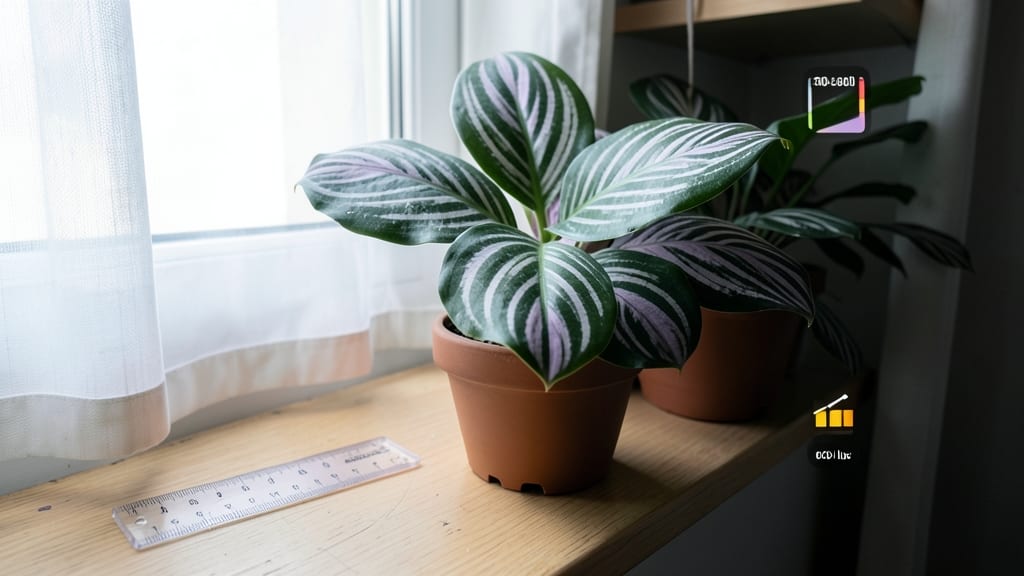
How much light does a zebra plant need to keep those stunning striped leaves vibrant? If you’ve ever watched your 🌿 Zebra Plant lose its bold patterns or stretch toward the window like a sun-seeker, you’re not alone.
The truth is, this showstopper thrives in bright indirect light—think east or west-facing windows where it gets morning sun and afternoon shade. Too little light, and those iconic zebra stripes fade to dull green.
Too much direct sun, and the leaves can scorch. Getting the balance right is the key to keeping your plant happy and healthy.
I’ve seen firsthand how small adjustments—like moving a plant 2-3 feet back—from a window or adding sheer curtains—can make all the difference. The good news? Even indoor gardeners can nail this with a few simple tricks, whether you’re dealing with leggy growth or browning edges.
Let’s break down exactly what your zebra plant needs to shine—plus how to fix common light mistakes before they become bigger problems. Your plant’s striking variegation is just a few tweaks away!

Ideal light requirements for zebra plant variegation (indoor vs outdoor guide)
The zebra plant (Aphelandra squarrosa) thrives on bright indirect light, which preserves its stunning variegated stripes. Without the right light, those bold patterns dull into plain green, and growth slows dramatically.
Understanding your plant’s light spectrum needs is key—too little causes leggy stems, while too much scorches delicate foliage.
Indoor zebra plants perform best near east-facing or west-facing windows, where they receive 4-6 hours of morning or afternoon sun. South-facing windows can work but require sheer curtains to filter harsh midday rays.
Outdoor plants in USDA Zone 6a can tolerate partial shade during summer’s peak intensity, but they still need dappled sunlight to maintain vibrant colors.
🌿
| Environment | Light Type | Daily Hours | Seasonal Adjustments |
|---|---|---|---|
| Indoor | Bright Indirect | 4-6 hours | Rotate weekly for even growth |
| Outdoor (Zone 6a) | Partial Shade | 3-5 hours | Move to shade in summer |
| Northern Hemisphere | East/West Windows | 4-6 hours | Supplement with grow lights in winter |
| Southern Hemisphere | North-facing Windows | 3-5 hours | Avoid midday sun |
The variegation in zebra plants relies on chlorophyll distribution, which is sensitive to light intensity. In low light conditions, the plant produces more chlorophyll to compensate, causing the white and yellow stripes to fade into green.
Conversely, direct midday sun can bleach the leaves, turning them crispy along the edges—a clear sign of sunburn.
For indoor growers, position your zebra plant 2-3 feet from an east or west window during spring and summer. In winter months, when daylight is shorter, supplement with a 12-hour grow light cycle (6000K LED bulbs work best).
Outdoor plants should be gradually acclimated to sunlight over 2-3 weeks to prevent shock.
Watch for environmental cues: if new leaves emerge smaller than 2 inches or with duller stripes, it’s a sign of insufficient light. Conversely, crispy leaf edges or yellow patches mean too much direct sun. Adjust placement accordingly—patience is key when fine-tuning light exposure for this finicky beauty.
🌞
Pro tip: Rotate your zebra plant quarter-turns every 5-7 days to ensure even light exposure. This prevents lopsided growth and helps the plant develop a balanced, bushy shape. Outdoor plants benefit from dappled shade under trees, mimicking their natural understory habitat in tropical forests.
In high-altitude regions (above 5,000 feet), zebra plants may need 10-15% more indirect light due to reduced UV intensity. Test your plant’s tolerance by moving it incrementally closer to a window over a week, observing leaf reactions daily. Remember: consistency in light exposure is more important than intensity.
🌱
5 Common light mistakes that ruin zebra plant growth (and how to fix them)
Even with the right bright indirect light, zebra plants often suffer from subtle light mistakes that dull their variegation or stunt growth. I’ve seen leggy stems and faded stripes from well-meaning gardeners placing their plants in the wrong spots.
The good news? These issues are almost always fixable with simple adjustments.
Let’s tackle the top 5 light mistakes that sabotage zebra plants—and how to reverse the damage. Whether your plant is stretching toward the window or developing crispy edges, these solutions will bring back those bold zebra stripes.
Mistake #1: Placing in South-Facing Windows—Direct midday sun burns zebra plant leaves, causing brown patches. The fix? Move to 2-3 feet back from the window or use sheer curtains to diffuse harsh rays. South windows should only get morning sun, never afternoon heat.
Direct sun = crispy brown edges. Sheer curtains or relocation to east/west windows is critical. Check leaves daily for scorch marks.
Mistake #2: Too Little Light (Leggy Growth)—When zebra plants don’t get enough light, they stretch toward light sources, creating weak stems. This happens most in north-facing rooms or under fluorescent lights. The solution? Rotate your plant quarter-turn weekly and supplement with a grow light (12 hours/day) if natural light is insufficient.
Mistake #3: Ignoring Seasonal Light Changes—Winter’s shorter days reduce light intensity, causing zebra plants to slow growth. During these months, place your plant closer to a window (but never in direct sun) or add a LED grow bulb (6500K color temperature) for 4-6 hours daily. This mimics spring’s longer daylight.
Mistake #4: Overcrowding Near Windows—Competing plants or large windowsills block light, starving your zebra plant. If other plants are shading yours, prune nearby foliage or relocate your zebra plant to a sunny corner where it gets unobstructed morning light. Even a few inches difference can make a huge impact on variegation.
Mistake #5: Using the Wrong Artificial Light—Standard white bulbs lack the blue spectrum zebra plants need for vibrant stripes. Replace with full-spectrum LED grow lights (like Philips Hue Plant) or fluorescent tubes (5000K-6500K). Keep lights 6-12 inches above the plant and use them for 12-14 hours/day to prevent stretching.