
Plants
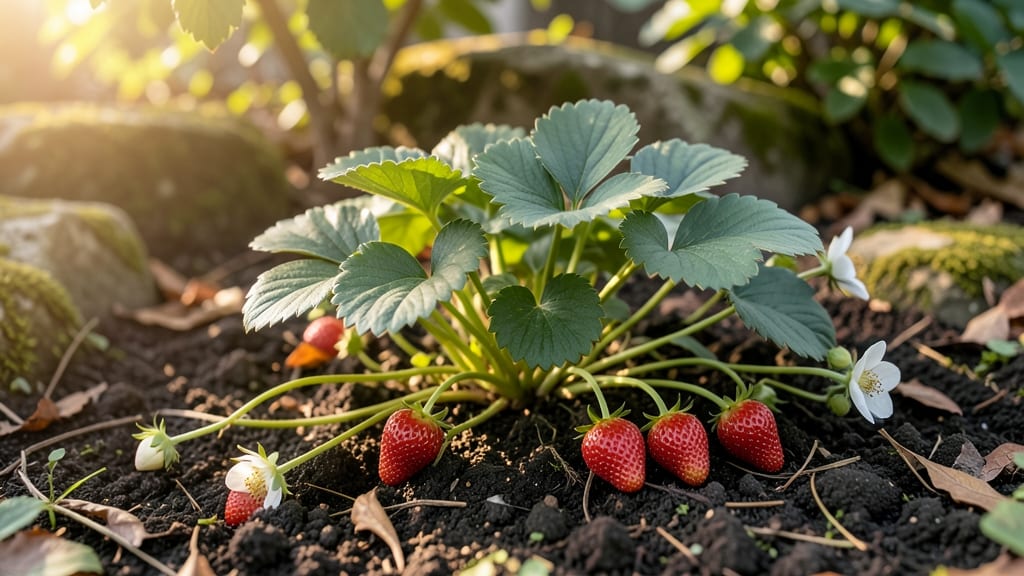
If you’ve ever planted 🍓 strawberries only to watch them struggle or produce tiny, bland fruit, chances are your light game was off—but how much light does a strawberry plant need to thrive is the real question.
Strawberries aren’t just picky—they’re downright demanding about sunlight, and getting it wrong can mean the difference between a bountiful harvest and a sad, leafy disappointment.
Here’s the thing: while most gardeners assume "full sun" means dumping plants in the hottest spot, strawberries actually need smart sunlight—not just hours, but the right balance of intensity and timing. Too little light, and your berries turn bitter or fail to ripen.
Too much, and you risk scorching the delicate leaves. The sweet spot? 6 to 10 hours of direct sunlight daily, but with a few tweaks depending on your climate and growing setup.
Whether you’re dealing with a shaded balcony, a high-desert garden, or a crowded container setup, I’ll break down exactly how to give your strawberries the perfect light conditions—plus how to spot when they’re begging for more (or less) sun.
No guesswork, just proven strategies to turn those leggy plants into fruit machines.
Ready to stop wasting time and energy on underperforming strawberries? Let’s dive into the sunlight secrets that’ll have you picking juicy berries all season long.

Strawberry light requirements: ideal sunlight hours for maximum fruit production
Strawberries are sun worshippers—they crave 6 to 10 hours of direct sunlight daily to produce sweet, abundant fruit.
But not all varieties have the same needs, and seasonal changes can shift what’s ideal. June-bearing strawberries (the classic spring harvest type) demand the most light, while everbearing and day-neutral varieties tolerate slightly less—though never less than 5 hours.
Without enough sunlight, you’ll end up with small, tart berries or worse, no fruit at all.
Think of sunlight like a nutrient strawberries can’t get from soil. It triggers photosynthesis, which fuels both leaf growth and fruit development. Less than 6 hours of sun = fewer flowers = fewer berries. More than 10 hours in scorching climates?
That can stress plants, especially in hot afternoons. The key is finding that sweet spot where your local climate and microclimate meet strawberry needs.
Here’s the catch: light quality matters just as much as quantity. Early morning and late afternoon sun are gentler, while harsh midday rays can scorch leaves. Reflective surfaces like white walls or gravel can bounce extra light onto plants, giving them a boost without direct exposure.
And if you’re growing in containers or raised beds, they’ll need even more light since soil heats up faster, drying out roots.
| Variety | Ideal Sunlight | Minimum Tolerance | Fruit Quality Impact |
|---|---|---|---|
| June-bearing | 8-10 hours | 6 hours | Large, sweet berries |
| Everbearing | 6-8 hours | 5 hours | Moderate yield, slightly tart |
| Day-neutral | 6-8 hours | 4 hours (with shade) | Prolonged harvest, milder flavor |
🌱 Note: All varieties need morning sun for best results.
Seasonal adjustments are critical. In spring and fall, strawberries can handle partial shade (3-5 hours of direct sun) as long as they get bright light the rest of the day. But during summer’s peak, even 6 hours of shade can reduce fruit set by 30%.
If your garden gets afternoon shade from trees or buildings, prioritize eastern exposure—morning sun is gentler and more effective for strawberries.
Measuring sunlight accurately is easier than you think. Use a sunlight tracker app or place a white board where your plants will sit.
Mark shadows every hour—if the board stays in shadow for more than 4 hours daily, that spot isn’t ideal. South-facing gardens in the Northern Hemisphere get the most consistent light, but even north-facing spots can work if they’re unobstructed and you use reflective mulch (like white gravel).
Light deprivation shows up fast. Plants stretch toward light (leggy growth), leaves turn pale or yellow, and flowers fail to set fruit. Overwatering can mimic light stress, so check both.
If your strawberries are all leaves, no berries, they’re either getting too little light or too much nitrogen fertilizer. The fix? Move them to sunnier spot and switch to a low-nitrogen, high-phosphorus fertilizer to encourage flowering.
Pro tip: Container-grown strawberries need even more attention. Since pots dry out faster, they also overheat in full sun. Use light-colored containers to reflect heat and place them where they get 6-8 hours of morning sun and afternoon shade.
If your balcony only gets 4 hours of sun, choose day-neutral varieties like ‘Albion’ or ‘Seascape’—they’ll produce smaller but more frequent harvests.
Don’t forget about light intensity. Cloudy days count as partial shade, so in overcast climates, strawberries may need 1-2 extra hours of direct sun to compensate. If you’re in a high-altitude garden (like Denver or Colorado Springs), UV levels are higher—provide afternoon shade to prevent leaf scorch.
The goal is consistent, bright light, not just hours.
Here’s how to test your garden’s light: Plant a test row of strawberries in the shadiest spot you’re considering. After 4 weeks, check for new growth direction. If stems lean toward a light source, that spot’s too dim.
If leaves look crispy or bleached, it’s too intense. Adjust with shade cloth (30-50%) or a light-colored row cover to diffuse harsh rays.
Remember, light is the foundation of a great strawberry harvest. Get it right, and you’ll enjoy juicy, flavorful berries all season. Get it wrong, and you’ll be left with bitter, seedy disappointments—or worse, no fruit at all. 🍓
How to adjust light for strawberries in different climates and growing conditions
Not all gardens get the same sunlight, and strawberries are picky about their light. If you’re growing in shade, containers, or hot climates, you’ll need to tweak their light exposure.
The key is balancing direct sun vs. protection—too much shade means small berries, while scorching heat can burn leaves and reduce yields.
For shady gardens or balconies, aim for at least 4-6 hours of morning sun. Strawberries can tolerate partial shade, but avoid afternoon shade, which traps moisture and encourages disease.
If your space only gets 2-4 hours of sun, choose day-neutral varieties like 'Albion' or 'Seascape', which produce fruit even with less light.
In hot, dry climates, afternoon shade becomes crucial. Use 30-50% shade cloth during peak sun (11 AM–3 PM) to prevent leaf scorch. You can also plant strawberries under dwarf fruit trees or near taller veggies like corn or pole beans, which provide natural shade while improving soil fertility.
- 🌱 Low-Light Fix: Place containers on wheelbarrows or stands to elevate plants and capture more sunlight.
- ☀️ Heat Protection: Use white reflective mulch (like landscape fabric) to deflect excess heat from the soil.
- 🪴 Container Hack: Rotate pots quarter-turns weekly to ensure even light exposure on all sides.
- 🌿 Companion Planting: Pair strawberries with bush peas or lettuce to create micro-shade and reduce evaporation.
- ✂️ Pruning Tip: Remove lower leaves to improve airflow and light penetration to fruit.
If you’re growing strawberries in containers or raised beds, mobility is your friend. Move pots to sunnier spots as the season progresses, especially if your yard has seasonal shade shifts.
South-facing windowsills or greenhouse shelves work well for indoor growers, but supplement with grow lights (12-14 hours/day) if natural light drops below 4 hours.
For urban gardeners with limited space, vertical growing is a game-changer. Use trellis systems or hanging baskets to train strawberry runners upward, maximizing light exposure. Just ensure the roots stay cool—bury containers slightly deeper to protect them from extreme temperatures.
Remember, strawberries are perennial in mild climates, so their light needs change with seasons. In winter or early spring, they’ll tolerate less direct sun as days shorten, but ramp up light exposure as temperatures rise.
Monitor your plants weekly—if they’re stretching toward the light or producing small, pale berries, it’s time to adjust their position.