
Plants
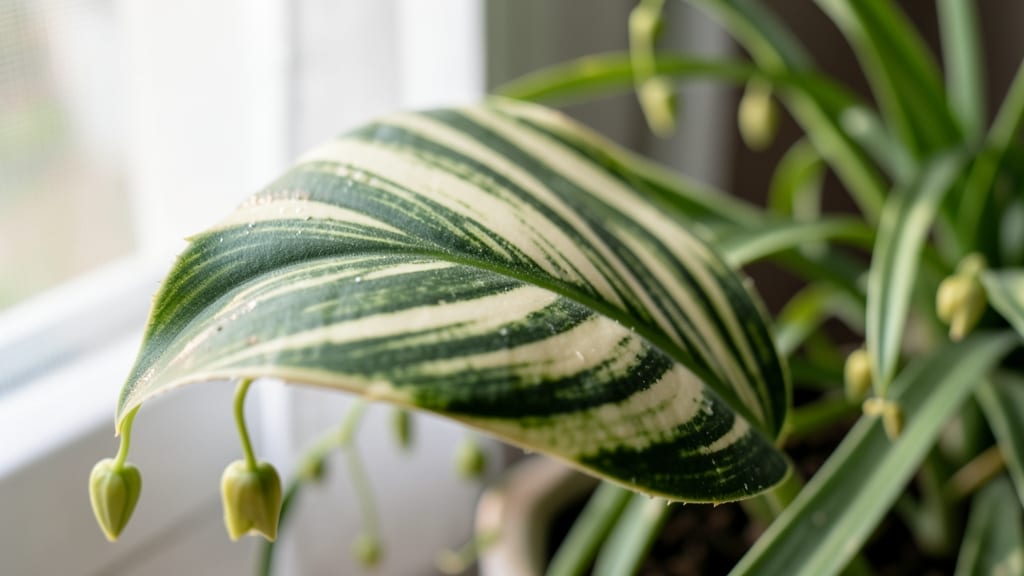
If your 🕷️ spider plant looks more like a sad, leggy shadow than a vibrant houseplant, you might be getting how much light does a spider plant need indoors all wrong.
The truth is, these hardy plants thrive in conditions most people overcomplicate—bright indirect light is ideal, but they’ll survive (and even bounce back) in surprisingly low light too.
I’ve watched my own spider plants go from struggling to flourishing just by tweaking their spot, and the key is understanding their flexibility. Too little light makes them stretch desperately for rays, while too much turns their leaves crispy.
The good news? With a few simple adjustments, you can give your plant the perfect balance—no green thumb required.
Let’s break down exactly what your spider plant needs to stay happy: where to place it in your home, how to spot light troubles before they start, and even how to supplement natural light if your space falls short.
You’ll learn the game-changer tricks that keep my plants lush year-round, no matter the season.
Ready to turn your spider plant from a struggling survivor into a thriving centerpiece? Let’s dive into the light conditions that’ll have it reaching for the sky—literally. Your plant (and your sanity) will thank you.

Ideal light requirements for spider plants: low to bright indirect sunlight explained
Spider plants (Chlorophytum comosum) are one of the most forgiving houseplants, but they still need the right amount of indirect sunlight to thrive. Unlike sun-loving plants, spider plants despise harsh direct rays, which can scorch their leaves.
Instead, they flourish in low to bright indirect light, making them perfect for most indoor spaces.
The key is finding that sweet spot where your spider plant gets enough light to grow but isn’t stressed by too much intensity. Think of it like a cozy reading nook—just enough light to see clearly, but not the harsh glare of a midday sun.
This balance ensures your plant stays vibrant green and produces those iconic baby spider plants (also called "pups").
Here’s how to identify the perfect light conditions for your spider plant in your home:
| Light Condition | Description | Spider Plant Response |
|---|---|---|
| Low Light | North-facing windows, rooms far from windows, or shaded areas. | Slow growth, long stems, pale leaves, fewer pups. |
| Medium Light | East or west-facing windows, 3-5 feet from a south window. | Healthy growth, dark green leaves, regular pup production. |
| Bright Indirect Light | East or north-facing windows, 2-3 feet away. | Optimal growth, vibrant color, frequent pups, strong stems. |
| Direct Sunlight | South-facing windows without a sheer curtain, or near a skylight. | Brown or crispy leaf tips, yellowing, weak growth. |
If your spider plant’s leaves start looking yellow or brown, it’s often a sign of too much direct sunlight. On the other hand, if the leaves turn pale or stretch toward the light, it’s begging for more brightness.
The goal is to keep your plant in a spot where it gets 4-6 hours of indirect light per day—think of it as a gentle, diffused glow.
Another way to test your plant’s light needs is to observe its growth patterns. Healthy spider plants grow upright with leaves that arch slightly. If they start growing leggy or floppy, it’s time to move them closer to a brighter spot.
Conversely, if the leaves develop brown patches or crisp edges, it’s getting too much direct sun and needs to be moved back.
Pro tip: Rotate your spider plant every 2-4 weeks to ensure all sides get even light exposure. This prevents one side from becoming too stretched or weak. A simple quarter-turn keeps your plant balanced and encourages even growth.
For those with south-facing windows, place your spider plant at least 3 feet away from the glass to avoid direct sunlight. If you notice the leaves curling or turning yellow, it’s a clear sign to move it farther back or add a sheer curtain to diffuse the light.
Remember, spider plants are incredibly adaptable, so even if you don’t have the perfect spot right away, small adjustments can make a big difference. With the right light, your spider plant will reward you with lush foliage and plenty of pups to share with friends or propagate for your collection.
🌱
How to adjust your home’s lighting for a thriving spider plant
Your spider plant might be getting the right amount of light, but the wrong type of light can still leave it struggling.
I’ve seen plants in bright rooms with south-facing windows develop crispy brown edges because of harsh afternoon rays, while others in dim corners stretch painfully toward the nearest window. The key is creating an environment that mimics their natural understory habitat—soft, filtered light without intense direct sun.
Start by identifying the light quality in your home. Hold your hand near your plant’s leaves during the day: if you can’t see your shadow clearly, it’s likely low to medium indirect light (perfect for spider plants).
If the light feels harsh and casts sharp shadows, you’re dealing with direct sunlight, which can scorch leaves. Most homes fall somewhere in between, and with a few simple tweaks, you can optimize these conditions.
⚠️ Avoid These Lighting Mistakes
Harsh artificial light: Fluorescent bulbs or LED lights too close to your plant can cause leaf burn or uneven growth. Keep lights at least 3 feet away.
Cold windows: Drafty windowsills (especially in winter) can stress spider plants. Use a thermal curtain to maintain stable temperatures.
Rotating plants too often: Spider plants grow toward light, so rotate them every 2-3 weeks for even growth—but don’t overdo it!
If your space is naturally dim, don’t despair—spider plants are low-light survivors. Place your plant near an east-facing window for gentle morning sun, or use a reflective surface like a mirror to bounce existing light toward the plant.
For rooms with no natural light, a grow light is your best friend. LED grow lights with a cool white spectrum (around 5000K-6500K) work best and use less energy than traditional bulbs.
Position your grow light 12-18 inches above the plant and keep it on for 12-14 hours daily. I use a simple timer to automate this, and within weeks, my spider plants in dark corners have bounced back with vibrant new growth.
Pro tip: Adjust the height every few weeks to prevent leggy stems—closer light = bushier growth.
For bright indirect light, aim for spots like 2-3 feet from an east or north window. If your plant starts developing yellow or brown tips, it’s a sign of too much direct sun—move it back a few feet or use a sheer curtain to diffuse the light.
Conversely, if leaves turn dark green and sparse, it’s craving more light. Rotate the pot quarter-turns weekly to ensure even exposure.
Remember, spider plants are forgiving. Even if you’ve overwatered or neglected them, adjusting the light can often revive their health. Start with small changes—like rotating the pot or testing a new spot—and observe how your plant responds over 2-4 weeks.
With the right lighting, your spider plant will reward you with arching foliage, baby plantlets, and that signature lush green glow. 🌿