
Plants
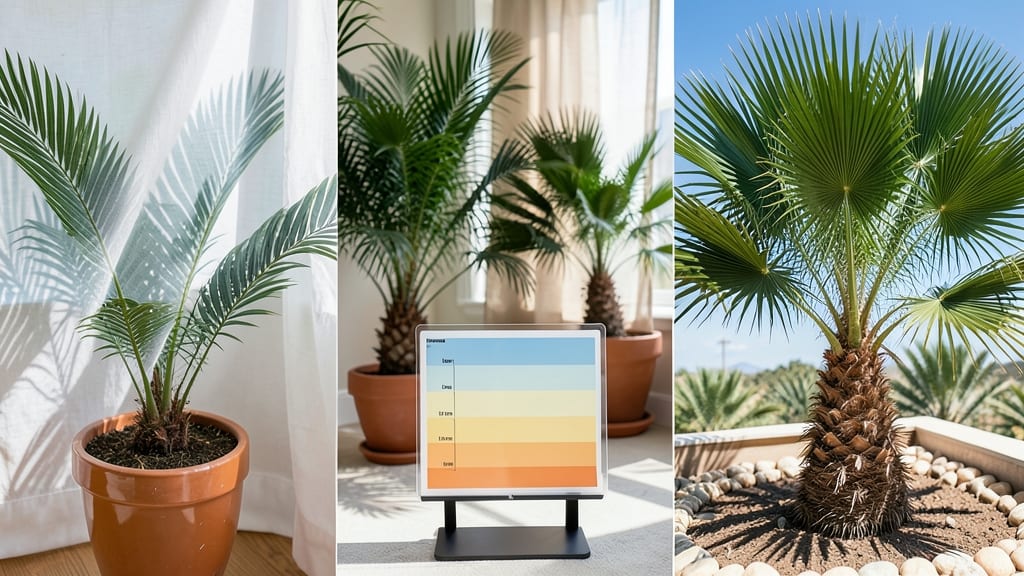
Ideal light requirements for palm plants by species type
Palm plants thrive in bright indirect sunlight, but their exact needs vary by species. Most palms originate from tropical or subtropical regions where they grow under dappled sunlight or filtered light through tree canopies.
Understanding your palm’s natural habitat helps you replicate those conditions at home or in your garden.
For indoor palms, like the popular Parlor Palm or Areca Palm, a spot near an east- or west-facing window is ideal. These palms tolerate moderate to bright indirect light but avoid harsh afternoon sun, which can cause leaf burn.
Outdoor palms, such as Canary Island Date Palms or Mexican Fan Palms, need full sun exposure—at least 6-8 hours daily—to thrive.
Here’s how to match your palm’s light needs to its species:
| Palm Species | Ideal Light Conditions | Natural Habitat | Indoor vs. Outdoor |
|---|---|---|---|
| Parlor Palm (Chamaedorea elegans) | Bright indirect light (5,000–10,000 lux) | Understory of tropical forests | Indoor: East/west window; Outdoor: Partial shade |
| Areca Palm (Dypsis lutescens) | Bright indirect to moderate direct light | Madagascar rainforests | Indoor: South window (filtered); Outdoor: Partial sun |
| Majesty Palm (Ravenea rivularis) | Bright indirect light (avoid harsh sun) | Madagascar highlands | Indoor: East window; Outdoor: Dappled shade |
| Canary Island Date Palm (Phoenix canariensis) | Full sun (6+ hours direct) | Canary Islands (coastal cliffs) | Outdoor only: Full sun exposure |
| Bismarck Palm (Bismarckia nobilis) | Full sun to partial shade | Madagascar (arid regions) | Outdoor: Full sun with afternoon shade |
If you’re unsure about your palm’s species, check its leaf structure and growth pattern. For example, feather palms like the Areca Palm often need more light than fan palms like the Majesty Palm.
Observing how your palm’s leaves react—such as yellowing or browning edges—can also help you adjust its placement.
For indoor palms, rotate the plant quarter-turns every 2-4 weeks to ensure even light exposure. This prevents one-sided growth and keeps the foliage lush and symmetrical. If your palm starts stretching toward the light, it’s a clear sign it needs more brightness in its current spot.
Outdoor palms, on the other hand, benefit from gradual acclimatization if moving from indoor to outdoor conditions. Start with 2-3 hours of morning sun and slowly increase exposure over 1-2 weeks to avoid sunburn. This is especially critical for tropical palms accustomed to filtered light.
Pro tip: Use a light meter or lux meter to measure light levels in your space. Most palms thrive in 5,000–10,000 lux for indoor settings, while outdoor palms may need 20,000–30,000 lux in full sun.
If your home lacks natural light, consider grow lights with a 12,000–15,000 Kelvin color temperature for optimal growth.
Remember, overwatering can mask light deficiencies, so always pair proper
Signs your palm isn’t getting the right light exposure
Palm plants often show subtle but clear signs when their light needs aren’t met. Yellowing leaves, for example, can indicate either too much direct sun or insufficient light—making it crucial to observe other clues.
Check the leaf tips first: crispy, brown edges usually mean sunburn, while stretched, pale fronds signal light deprivation. Even the growth rate slows dramatically when light is off, with new fronds emerging slowly or staying small.
Another red flag is leaf discoloration beyond just yellowing. Dark brown patches or bleached spots appear when palms receive harsh afternoon sun, especially through glass windows. Conversely, dark green leaves with purple undersides suggest low light stress, a common issue for indoor palms.
Pay attention to the frond shape too: tight, upright fronds thrive in ideal light, while drooping or curling leaves often mean light conditions are extreme—either too intense or too weak.
⚠️ Warning: Common Light Misdiagnoses
Don’t confuse nutrient deficiencies with light issues! Yellow fronds can stem from overwatering or poor drainage, not just light. Always check the soil moisture first—palms in waterlogged soil mimic light stress symptoms. Brown leaf tips might also signal fluoride buildup from tap water, not sun exposure. Test your water if you’re unsure!
Leaf scorch is one of the most dramatic signs of over-exposure. When bright sunlight hits palms suddenly, especially after moving them indoors or outdoors, leaves develop crispy, white edges within days. This is your palm’s way of saying, "I need shade!" If you notice this, move your palm to indirect light immediately and avoid placing it near south-facing windows without a sheer curtain. Morning sun is gentler, while afternoon rays pack the most damage.
For indoor palms, watch where new growth emerges. If fronds lean toward the light source (a phenomenon called etiolation), your palm is stretching desperately for more brightness. This isn’t just cosmetic—weak, leggy stems make palms top-heavy and prone to falling.
To fix it, rotate your palm weekly so all sides get even light, or supplement with a grow light if natural light is insufficient. East-facing windows often provide the best balance for indoor palms.
Seasonal changes also affect light needs. Winter sunlight is less intense, so outdoor palms may need protection from cold winds that dry out leaves, while indoor palms might stretch toward weaker winter light.
Conversely, summer’s harsh glare can bleach leaves even in shaded areas. Adjust your palm’s location every few months to match the sun’s angle—this simple habit prevents light shock and keeps growth steady.
Finally, dormant palms (like Majesty Palms) slow down in winter, but no new fronds should appear if light is lacking.
If your palm stops growing entirely for months, it’s likely light-starved. Boost brightness with a reflective surface (like a white wall) behind the plant or upgrade to LED grow bulbs for 12–14 hours of light daily.
Remember: Palms thrive on routine, so consistency in light exposure is key to avoiding stress.