
Plants
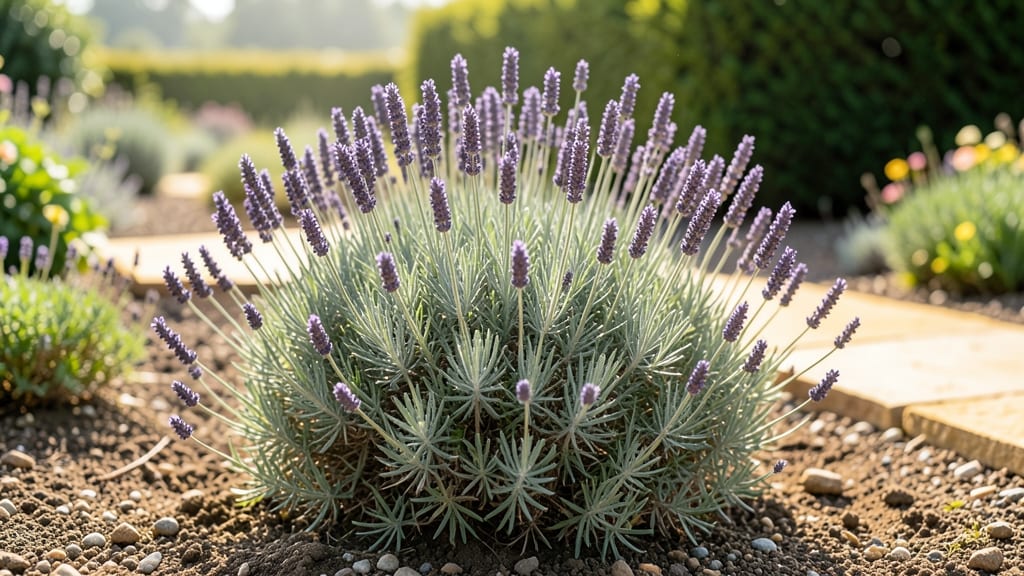
Lavender light requirements: sunlight needs by type and variety
Lavender thrives under full sun, but not all varieties demand the same intensity.
Most lavender plants—like English lavender and French lavender—need 6 to 8 hours of direct sunlight daily to produce their signature fragrance and vibrant blooms. Spanish lavender, however, is slightly more adaptable, tolerating 4 to 6 hours of sun in hotter climates where afternoon shade protects it from scorching.
In regions with intense summer heat, like the Southwest U.S., lavender can benefit from morning sun and afternoon shade. This prevents leaf burn while still meeting the plant’s 6-hour minimum.
For cooler climates, like the Pacific Northwest, lavender can handle full sun year-round, as long as the soil drains well to avoid waterlogged roots.
Here’s how sunlight needs break down by lavender type, including seasonal adjustments:
| Variety | Optimal Sunlight | Partial Shade Tolerance | Seasonal Adjustments |
|---|---|---|---|
| English Lavender | 6–8 hours full sun | Poor; may not flower | Hot climates: afternoon shade |
| French Lavender | 6–8 hours full sun | Minimal; weak growth | Cooler climates: full sun year-round |
| Spanish Lavender | 4–6 hours full sun | Moderate; tolerates shade | Drought-prone areas: mulch to retain moisture |
| Dwarf Varieties | 4–6 hours full sun | Better than standard types | Containers: rotate for even light exposure |
If you’re growing lavender in containers, place them in the sunniest spot available, even if it’s just a south-facing balcony. Containers dry out faster, so ensure they have drainage holes and use a well-draining potting mix to mimic rocky, Mediterranean soil.
Without enough light, container lavender may become leggy and sparse, with fewer blooms.
For garden beds, avoid planting lavender under trees or near tall shrubs that cast deep shade. Instead, pair it with sun-loving companions like rosemary, thyme, or sedum. These plants share similar light and water needs, creating a low-maintenance, drought-tolerant garden.
In hot climates, lavender can suffer from sunburn if exposed to peak afternoon sun (12 PM–4 PM). To protect your plants, use lightweight shade cloth (30–50% coverage) during the hottest months. This filters harsh rays while still allowing indirect sunlight to reach the leaves.
One common mistake is assuming more sun is always better. While lavender loves light, over-exposure in extreme heat can cause leaves to turn yellow or brown.
Monitor your plants closely, especially in USDA Zones 7–10, where summer temperatures can exceed 90°F (32°C). Adjusting sunlight exposure seasonally keeps lavender healthy and productive.
For indoor lavender, place it near a south-facing window where it can receive at least 4–6 hours of direct light daily. If natural light is insufficient, supplement with a grow light for 12–14 hours per day.
Without adequate light, indoor lavender will grow weak and spindly, with minimal fragrance.
Remember, lavender’s flowering and fragrance are directly tied to sunlight. A well-lit lavender plant will reward you with abundant blooms and a strong, calming scent—perfect for sachets, potpourri, or simply enjoying in your garden. 🌿
Signs your lavender isn’t getting enough (or too much) light
Lavender plants are masters at showing their light needs through subtle (or not-so-subtle) changes. If your lavender leaves are turning yellowish-green or stretching unusually tall, it’s begging for more sunlight exposure.
This light deficiency causes leggy growth as the plant reaches for light, weakening its structure and reducing flower production. 🌱
On the flip side, lavender sunburn is just as damaging. White or grayish patches on leaves indicate excessive sunlight, especially during hot afternoons. These scorched leaves won’t recover and can stunt your plant’s growth.
Even lavender flowers may look bleached or crispy when exposed to too much intense sunlight without proper acclimation. ☀️
- Too little light: Pale, sparse leaves + weak stems
- Too much light: Crispy edges + grayish-white patches
- Solution: Gradually adjust sunlight exposure over 1-2 weeks
For container-grown lavender, watch for root-bound stress combined with light issues. If your plant’s growth slows dramatically despite proper watering habits, it’s likely light-starved.
Move it to a sunnier spot immediately—even French lavender, which tolerates partial shade, will suffer with less than 4 hours of sun. 🪴
Seasonal shifts also matter. In winter months, lavender can handle less direct sunlight (3-4 hours is fine), but spring and summer demand full sun exposure. If you notice fewer blooms or smaller flowers, your lavender isn’t getting enough sunlight hours during its peak growing season.
Adjust pruning too—over-pruned plants need even more light to recover. ✂️
Pro tip: Use your fingers as a guide. If you can’t fit your hand between leaves on a mature lavender plant, it’s likely light-deprived. Healthy lavender should have compact foliage with visible gaps for airflow.
If leaves feel soft or mushy, that’s a watering issue—but if they’re dry and brittle, it’s usually sun exposure gone wrong. 💧
To fix light-related problems, start by monitoring leaf color daily. Move your plant gradually (not overnight) to avoid sun shockshady spots, try reflective surfaces like white walls or mirrors to bounce extra light.
And remember: lavender thrives with consistency—whether it’s 6 hours of sun or partial shade, adjust slowly and observe your plant’s response. 🌻