
Plants
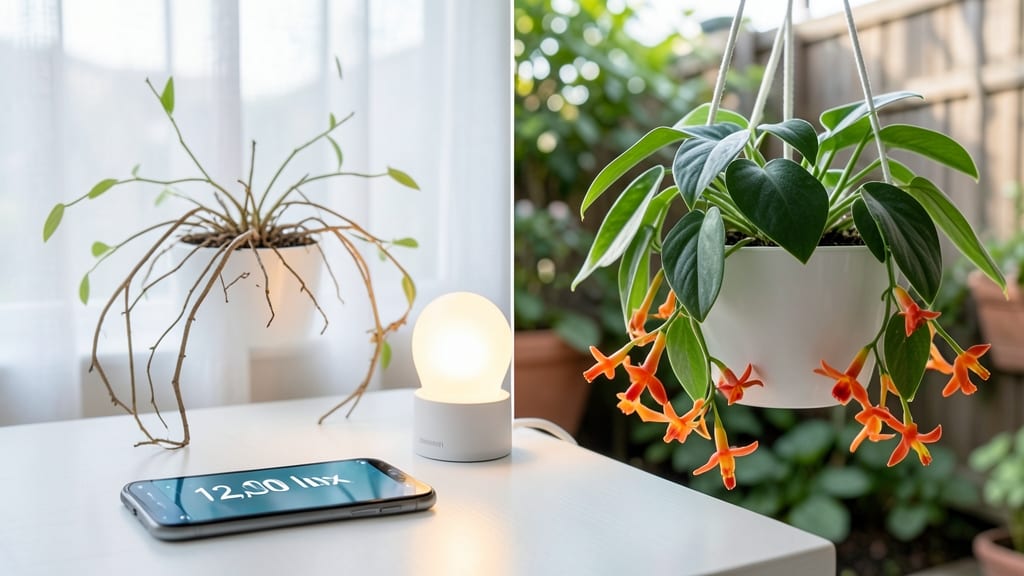
If your goldfish plant 🐟 looks more like a sad, stretched-out vine than a lush, cascading beauty, how much light does a goldfish plant need to thrive?
This striking foliage plant thrives in bright indirect light, but too much or too little can turn your leafy pet into a struggling shadow of its potential.
You don’t need a greenhouse to keep your goldfish plant happy—just the right balance. Too little light leads to leggy growth and pale leaves, while harsh direct sun can scorch those delicate 🐟 foliage. The key is finding that sweet spot where it gets enough brightness without burning out.
I’ll show you exactly where to place your plant for optimal growth, whether you’re working with an east-facing window or need to supplement with artificial lighting. No more guesswork—just vibrant, healthy leaves year-round.
Let’s fix those lighting mistakes and turn your goldfish plant into the showstopper it’s meant to be. Ready to see the difference?

Goldfish plant light requirements: ideal brightness levels for healthy growth
Your goldfish plant (Columnea gloriosa) thrives in bright indirect light, but getting the balance right can feel tricky. Too little light leads to leggy growth and pale leaves, while too much causes leaf burn.
Understanding the light spectrum and intensity is key to keeping this trailing beauty lush and vibrant.
Goldfish plants naturally grow under the dappled shade of tropical forests, where sunlight filters through leaves. Recreating this environment at home means avoiding harsh midday sun while ensuring enough light intensity for photosynthesis.
Think of it like positioning your plant under a sheer curtain—enough light to read by, but not direct glare.
The ideal light range for goldfish plants falls between 1,000 to 2,000 foot-candles of light intensity. To put this in perspective, a brightly lit office typically measures around 500 foot-candles, while a south-facing window can exceed 5,000. Your goal is to find that sweet spot in between.
| Light Condition | Description | Foot-Candles | Signs of Plant Health |
|---|---|---|---|
| Low Light | North-facing window or 10+ feet from a south window | <500 | Leggy growth, sparse leaves, pale color |
| Moderate Light | East or west window, 3-5 feet from a south window | 500-1,000 | Healthy growth, rich green leaves |
| Bright Indirect | 2-3 feet from an east window, sheer curtain filter | 1,000-2,000 | Optimal growth, vibrant foliage, frequent blooms |
| Direct Sun | South or west window without filter, afternoon sun | >2,000 | Brown leaf tips, crispy edges, leaf scorch |
Measuring light at home is simple. Use a light meter app on your smartphone or place a white piece of paper near your plant—if you can easily read text on it, the light is likely too bright.
For bright indirect light, aim for a spot where the paper shows slight shadows but remains clearly visible.
Goldfish plants can tolerate morning direct sun for short periods, especially if placed near an east-facing window. However, avoid afternoon sun, which is more intense and can cause leaf burn.
If your plant shows signs of stress, like yellowing leaves or brown patches, move it to a slightly shadier spot immediately.
Seasonal changes also affect light exposure. During winter months, when daylight is shorter, your goldfish plant may need a grow light to supplement natural light. Conversely, in summer, the increased sunlight means you may need to adjust placement or use sheer curtains to diffuse harsh rays.
If you notice your goldfish plant stretching toward the light, it’s a clear sign of light deprivation. Rotate the pot quarter-turns weekly to encourage even growth and prevent lopsided development. This simple trick ensures all sides of the plant receive uniform light exposure, promoting a bushier, fuller appearance.
For those with limited natural light, a full-spectrum LED grow light placed 6-12 inches above the plant can mimic ideal conditions. Run the light for 12-14 hours daily to replicate a natural day cycle.
Just be sure to keep the light on a timer to avoid over-exposure, which can cause leaf bleaching or stunted growth.
Remember, the key to success with goldfish plants is observation. Pay attention to how your plant responds to its environment—adjustments may be needed as seasons change or as your home’s lighting conditions evolve.
With the right balance of bright indirect light, your goldfish plant will reward you with lush foliage and colorful blooms year-round.
Best lighting solutions for goldfish plants: natural vs artificial options
Your goldfish plant 🐟 will thrive with the right lighting setup, but not all homes offer ideal natural light. The good news? You have options—whether you rely on sunny windows or supplement with grow lights.
Let’s break down the best ways to meet your plant’s bright indirect light needs, even in low-light spaces.
For natural light, an east-facing window is your goldfish plant’s best friend. These windows provide gentle morning sun without the harsh afternoon rays that can scorch delicate leaves.
If your home lacks east-facing windows, don’t worry—west or south-facing windows work too, as long as you filter the light with a sheer curtain to mimic bright indirect conditions.
Here’s how to compare your options for keeping your goldfish plant happy, whether you’re working with natural or artificial light:
If you’re using artificial lighting, opt for full-spectrum LED grow lights—they mimic natural sunlight and won’t fry your plant’s leaves. Place the light 6-12 inches above your goldfish plant and set a timer for 12-14 hours/day to mimic daylight.
In winter, when natural light fades, supplement with a grow light to keep your plant thriving.
Pro tip: Rotate your goldfish plant every 1-2 weeks to ensure even growth, whether it’s getting natural or artificial light. This prevents leggy stems and encourages bushier, fuller foliage that resembles its namesake’s vibrant scales.
Don’t let lighting stress turn your goldfish plant into a sad, stretched-out shadow. With the right setup—whether it’s a sunny window or a well-placed grow light—your plant will reward you with lush, trailing leaves that bring life to any space. Happy growing! 🌿