
Plants
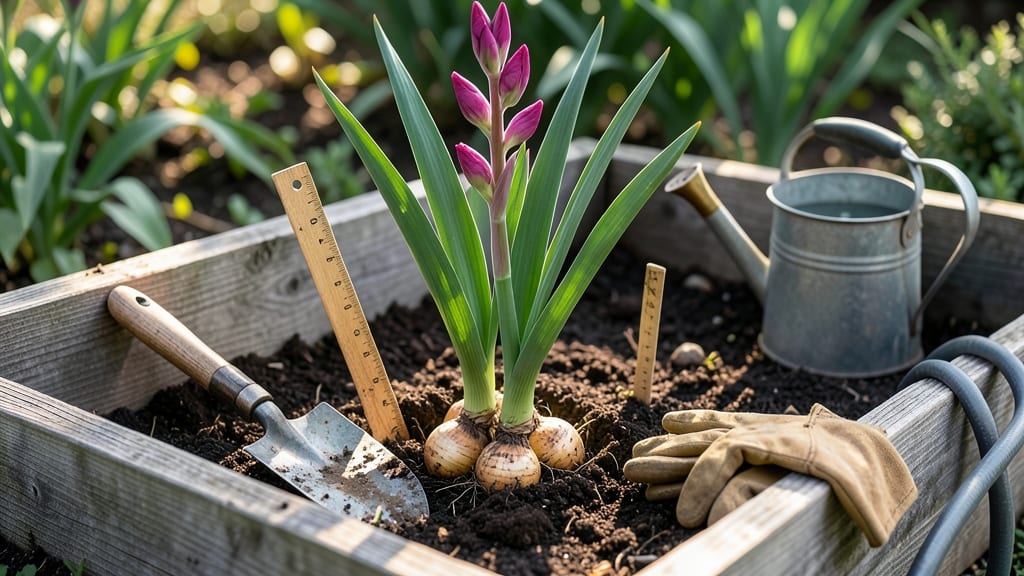
Timing your gladiolus bulbs perfectly in the UK is the key to those show-stopping summer blooms—plant too early, and frost could ruin your hopes before they even sprout.
With April to June as your ideal window, but regional differences in frost dates, getting it right means vibrant 🌸 gladiolus from July through September.
Whether you're in sunny southern England or cooler Scotland, knowing when the last frost has passed is crucial. I’ll break down the exact frost-free months for your area so you can plant with confidence, avoiding the common mistake of starting too soon in chilly regions.
Beyond timing, I’ll cover soil prep tricks to prevent rot and post-planting care to keep your gladiolus thriving. No more guessing—just a foolproof guide to turn your garden into a sea of tall, striking blooms all season long.
Ready to transform your garden? Let’s dive into the best planting strategies tailored to your UK location, so you can enjoy cut flowers that last for weeks in vases.
UK gladiolus planting calendar: frost-free months by region
Planting gladiolus bulbs in the UK requires precision timing to avoid frost damage. The last frost date varies dramatically across regions, from early April in southern England to late May in Scotland’s highlands.
These differences mean your gladiolus planting window could shift by up to 6 weeks depending on where you live.
Gladiolus corms thrive in soil temperatures above 10°C (50°F). In warmer regions like Cornwall or Kent, you can start planting as early as mid-March, while northern Scotland gardeners should wait until early June to avoid frost. Always check your local Met Office frost forecasts before planting.
Here’s how to align your planting with the UK’s frost-free periods by region:
For high-altitude gardens (above 500m), delay planting by 2–3 weeks to account for colder microclimates. Use a soil thermometer to confirm temperatures before planting—gladiolus corms won’t sprout in cold soil, even if frost has passed.
Pro tip: Plant dwarf varieties first in cooler regions. They mature faster and can tolerate slightly shorter seasons. Save tall varieties for warmer areas where the growing season extends into September.
Once planted, mulch heavily with straw or bark to insulate bulbs from late frosts. This extra layer can push your blooming window by 1–2 weeks in marginal climates.
Remember, gladiolus bulbs need 6–8 weeks of warm soil to produce flowers. If you plant too late, your blooms may arrive after the first frost, ruining their display. Aim for July–September flowering by adjusting your planting date.
🌸
5 Signs your UK soil is ready for gladiolus bulbs (and how to prepare it)
Before you even think about planting those gladiolus corms, your UK soil needs to meet a few key conditions. Cold, wet soil can rot your bulbs before they sprout, while heavy clay soils might suffocate them.
I’ve planted gladiolus in everything from sandy coastal gardens to heavy London clay—here’s how to tell if your soil is ready.
First, check the soil temperature. Gladiolus corms need soil that’s warmed to at least 10°C (50°F). Use a soil thermometer or dig down 4-6 inches—if it feels chilly to your touch, wait a few more weeks.
In southern England, this usually aligns with late April, but in Scotland or Northern Ireland, you might need to wait until early June.
Next, assess drainage. Gladiolus bulbs rot in soggy soil, so perform a simple test: dig a 6-inch hole, fill it with water, and time how long it takes to drain.
If water lingers for more than an hour, amend your soil with sharp sand or grit (about 20% of the soil mix). For heavy clay, I swear by adding well-rotted compost and perlite to improve aeration.
🌱 Visual Element: Numbered Highlights 🌱
Don’t overlook pH levels. Gladiolus thrive in neutral to slightly acidic soil (pH 6.0-7.0). Test your soil with a kit from a garden center—if it’s too acidic (below 6.0), add lime; if alkaline (above 7.0), mix in sulfur or peat moss.
I once had gladiolus with stunted growth in alkaline soil until I adjusted the pH, and the difference was night and day!
Finally, ensure your soil is moist but not soggy. Gladiolus bulbs need consistent moisture, but standing water invites rot. If your soil feels compacted or dry, water it thoroughly 24 hours before planting. For sandy soils, add organic matter like leaf mold to retain moisture without suffocating roots.
Once your soil passes these checks, it’s time to plant! Loosen the soil to a depth of 12 inches and mix in a balanced fertilizer (10-10-10) to give your gladiolus a nutrient boost.
With the right prep, your corms will sprout within 2-3 weeks, and you’ll be rewarded with bold, vibrant blooms all summer long.