
Plants
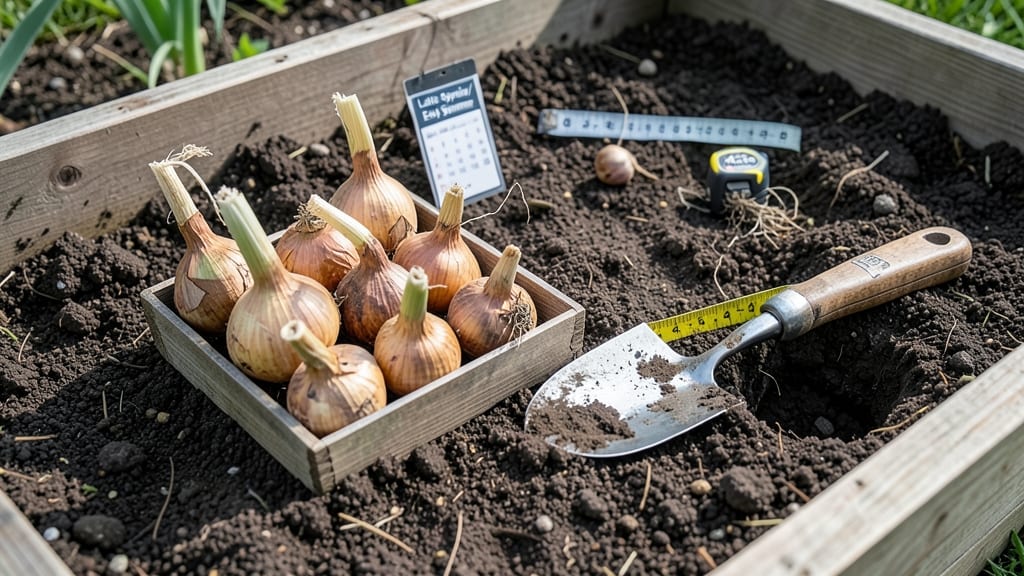
If you've ever dreamed of your Pennsylvania garden bursting with striking gladiolus blooms—those dramatic 🌷 spikes that command attention—when to plant these gladiolus bulbs in Pennsylvania is the secret weapon you can't afford to miss.
Gladiolus bulbs planted too early in Pennsylvania’s 5b-7a zones risk frost damage, while waiting too long cuts your summer bloom season short. The ideal window isn’t just about dates—it’s about soil temperature, last frost averages, and even microclimates like Pittsburgh’s cooler valleys versus Philadelphia’s urban heat islands.
I’ll break down exactly when to plant for bold, long-lasting blooms from July to September, plus pro tips to adjust for late frosts or delayed springs. Whether you’re a first-time gardener or a seasoned green thumb, these insights will help you avoid common mistakes and maximize your garden’s summer spectacle.
Ready to transform your garden into a gladiolus paradise? Let’s get those corms in the ground at the perfect moment—because in Pennsylvania, timing really is everything for these showstopping flowers.
Optimal gladiolus planting dates in Pennsylvania by USDA Zone
Timing your gladiolus bulbs correctly in Pennsylvania’s USDA Zones 6-7 means the difference between stunning summer blooms and wasted corms. These dramatic tall flowers thrive when planted after the last frost date, but Pennsylvania’s variable climate demands flexibility—especially between Philadelphia’s coastal moderation and Pittsburgh’s inland chill.
For Zone 6 (most of PA), aim to plant 4-6 weeks before your last frost, typically mid-April to early May. In Zone 7 (southern PA), you can start 2-3 weeks earlier, around late March to mid-April.
The key? Wait until soil temperatures hit 60°F (15°C)—cold soil stunts growth and invites rot.
Here’s the critical window for Pennsylvania gardeners: Plant gladiolus corms between April 15 and June 1, with May 1 as the sweet spot for most regions. Late plantings after June 10 risk shorter stems and fewer blooms before frost.
🌷
Pro tip: Use a soil thermometer to verify readiness—gladiolus corms rot in cold, soggy soil. If temperatures lag, try container planting in black pots to absorb heat faster. For extended blooms, stagger plantings every 2 weeks from April to June.
Fall planting is not recommended in Pennsylvania—gladiolus corms need warmth to establish roots before winter dormancy. If you’re tempted, plant in containers and store indoors until spring.
After planting, mark your gladiolus rows with stakes—these tall flowers reach 4-5 feet and need staking support before they topple. Water deeply once a week to encourage strong root growth, and avoid overhead watering to prevent fungal diseases like gladiolus rust.
🌿
Remember: Pennsylvania’s microclimates matter. A mountain valley like State College may frost later than Philadelphia’s coastal warmth. Check your local frost dates and adjust accordingly—your gladiolus blooms will thank you with bold, vibrant color all summer long.
Optimal gladiolus planting dates in Pennsylvania by USDA Zone
Pennsylvania’s USDA Zones 6-7 offer a short but critical window for planting gladiolus bulbs. In Zone 6 (e.g., Pittsburgh, State College), aim for mid-April to early May—after the last frost (typically April 15) but before soil warms past 60°F.
Zone 7 (e.g., Philadelphia, Harrisburg) gardeners can start slightly earlier, around late March to mid-April, but wait until soil reaches 55°F.
Cold soils (below 50°F) stunt root growth, leaving bulbs vulnerable to rot. Use a soil thermometer to confirm readiness—planting too soon risks frost damage, while waiting too long shortens the bloom season.
For Pittsburgh’s cooler microclimate, err on the later side (early May), whereas Philadelphia’s warmer pockets may allow late March plantings in sheltered beds.
| Zone | Last Frost Date | Optimal Planting Window | Soil Temp Threshold | Bloom Season |
|---|---|---|---|---|
| 6 (Pittsburgh) | April 15 | Mid-April to Early May | 60°F+ | July–September |
| 7 (Philadelphia) | April 1 | Late March–Mid-April | 55°F+ | June–October |
Fall planting is not recommended for gladiolus in Pennsylvania—they lack cold hardiness and won’t survive winter. Instead, focus on spring plantings and extend blooms by staggering 3-week intervals (e.g., first batch in April, second in May).
This ensures continuous color from July to September, even if early plantings face cooler soils.
For container gardening in urban areas (e.g., Philadelphia), use black pots to absorb heat and plant 2–3 weeks earlier than ground plantings. Add a heat mat if night temps dip below 50°F—this mimics warmer microclimates and jumpstarts growth.
Always plant corms 4–6 inches deep with 6-inch spacing to prevent overcrowding.
Pro tip: Mark your calendar for June 15 as the absolute latest planting date in Zone 6. After this, bulbs won’t establish roots before summer heat sets in, leading to stunted or no blooms.
In Zone 7, you can push to July 1, but expect fewer flowers from late plantings.
After planting, mulch with straw or shredded leaves to retain moisture and warmth. Avoid synthetic mulches—they can overheat soil. Water deeply once a week (1–1.5 gallons per plant) until buds form, then reduce to every 10 days to encourage strong stems.
Stake tall varieties (e.g., 'Green Star') immediately to prevent wind damage.