
Flowers
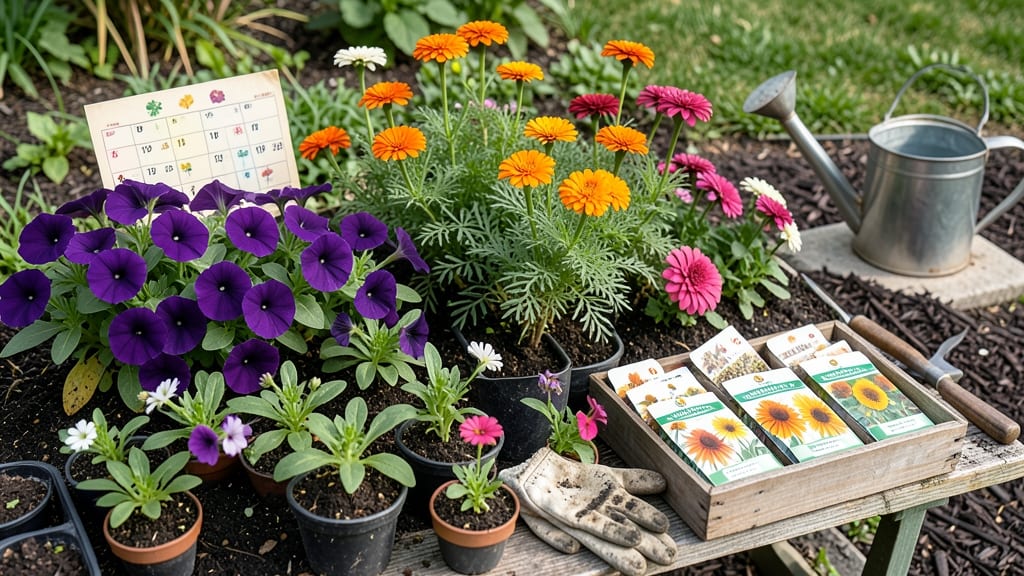
Timing when to plant flowers in Pennsylvania perfectly means the difference between a garden bursting with color and one that never quite takes off.
With USDA Zones 5b-7a and frost dates that can shift from year to year, knowing when to plant is the key to avoiding those heartbreaking late-spring freezes that kill tender seedlings.
I’ve spent years watching my 🌸 blooms thrive—and sometimes struggle—because of planting missteps. The secret? Aligning your schedule with Pennsylvania’s 150-200 frost-free days, whether you’re in Pittsburgh’s cooler pockets or Philadelphia’s slightly warmer microclimates. Get this right, and you’ll enjoy vibrant blooms from April through October without the guesswork.
But here’s the catch: not all flowers play by the same rules. Annuals like petunias demand waiting until after the last frost (usually mid-April), while hardy perennials like black-eyed Susans can handle an early spring planting.
Bulbs? They need to go in the ground 6-8 weeks before frost—meaning late summer for fall blooms.
Ready to master the timing? I’ll break down exactly when to plant each type, plus pro tips to adjust for Pennsylvania’s tricky weather. Let’s turn your garden into a year-round showstopper—no frost surprises allowed.
Pennsylvania flower planting deadlines by season (Zone 6 guide)
Pennsylvania’s Zone 6 climate means your flower planting schedule hinges on average last frost dates around April 15 and first frosts in mid-October. Missing these deadlines can leave your garden vulnerable to frost damage or missed blooming seasons.
Whether you’re planting annuals, perennials, or bulbs, timing is everything for vibrant, long-lasting flowers.
Spring is the busiest season for flower planting, but fall also offers a second chance for cool-season bloomers like pansies and chrysanthemums. Below, I’ve broken down the exact deadlines for each planting window, adjusted for Pennsylvania’s microclimates—from Philadelphia’s earlier springs to Pittsburgh’s later frosts.
Use this guide to avoid common mistakes like planting tender annuals too soon or missing the fall bulb window.
🌱 Key Tip: Always check your local last frost date (use the Penn State Extension frost map)—it can vary by 1-2 weeks depending on your county. For example, Philadelphia may see frost-free soil by April 1, while Erie might wait until May 1.
🌸 Pennsylvania Flower Planting Deadlines by Season
| Season | Planting Window | Key Tasks | Deadlines (Zone 6) | Notes |
|---|---|---|---|---|
| Spring | Bulbs | Plant daffodils, tulips, hyacinths | October 1 - November 15 (fall) or March 1 - April 15 (spring) | Spring planting works for hardy bulbs like daffodils. |
| Spring | Perennials | Divide and transplant | March 15 - April 30 | Avoid transplanting when soil is frozen or waterlogged. |
| Spring | Annuals (seeds) | Direct sow marigolds, zinnias | After April 15 (frost-free) | Use row covers for early starts. |
| Spring | Annuals (transplants) | Petunias, impatiens | May 1 - June 1 | Hardier varieties like pansies can go in April. |
| Summer | Heat-loving annuals | Sunflowers, cosmos | June 15 - July 15 | Plant in late afternoon to reduce transplant shock. |
| Fall | Bulbs | Tulips, crocus | September 15 - October 15 | Soil should be 60°F for best root growth. |
| Fall | Cool-season annuals | Pansies, snapdragons | August 15 - September 30 |