
Plants
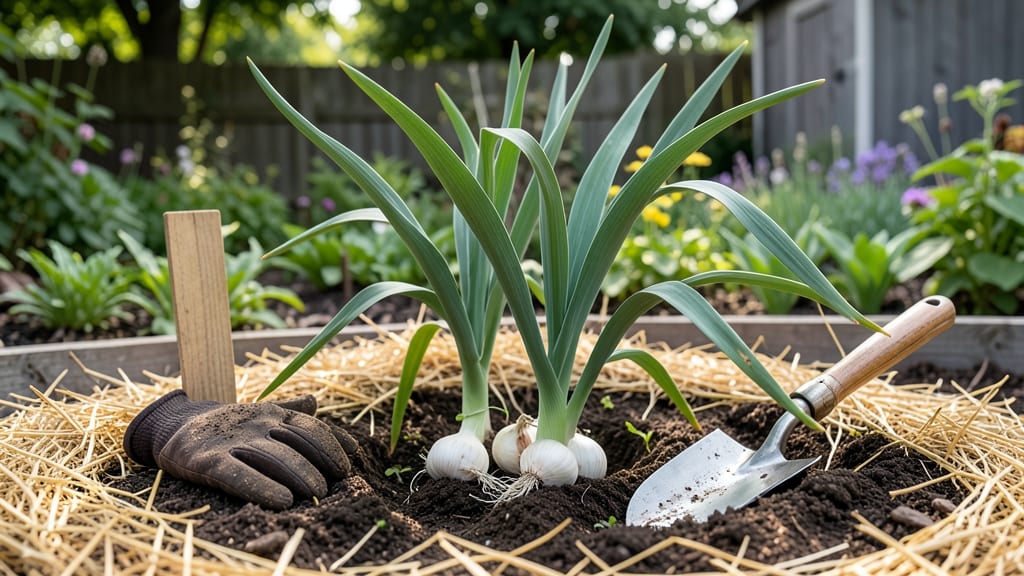
Knowing when to plant garlic in Zone 10a could mean the difference between plump, flavorful bulbs and disappointing harvests. Unlike colder climates, your mild winters and warm soils demand a different approach—one that avoids summer heat stress while maximizing the cool-season window.
The key? Planting in October or November when temperatures stay comfortably cool, giving your 🧄 time to establish roots before spring arrives.
Here's the challenge: Zone 10a's lack of frost means garlic grows year-round, but summer heat will send your plants bolting prematurely. By timing your planting right, you'll skip that stress entirely.
I'll walk you through the exact months that work best, plus how to adjust for Southern California's coastal breezes or Phoenix's desert heat. No more guessing—just reliable, homegrown garlic that outperforms store-bought.
What makes this timing so critical? Garlic needs 90-120 days of cool weather to form proper bulbs. In Zone 10a, that means starting in fall to finish by early summer.
We'll cover how to prep your soil, choose the right varieties, and even troubleshoot common pitfalls like uneven growth or rot. Ready to grow garlic that rivals the pros?
Let's dive into the perfect planting schedule—one that turns your Zone 10a garden into a garlic powerhouse. You'll discover why October is ideal, how to handle late winter plantings, and which varieties thrive in your climate. No more wasted efforts—just big, bold bulbs ready for harvest.
Optimal planting windows for Zone 10a garlic: month-by-month breakdown
Zone 10a's mild winters and long growing season create a unique challenge for garlic growers. Unlike colder zones, you can't rely on frost to signal planting time.
Instead, focus on soil temperatures (aim for 50-65°F) and avoiding summer heat stress. The key window spans October through December, with regional adjustments needed.
In Southern California coastal areas, where winters are even milder, you can plant as late as January without risking heat stress. However, inland areas with cooler nights may benefit from an earlier October planting to establish roots before winter rains arrive. Always prioritize cool-season growth over summer dormancy.
Here’s your month-by-month planting guide for Zone 10a, tailored to hardneck and softneck varieties:
| Month | Ideal Planting Time | Soil Temp | Notes |
|---|---|---|---|
| September | Early September (coastal only) | 65-75°F | Risk of heat stress; best for inland areas with cooler nights. |
| October | Best window for all areas | 50-65°F | Optimal for root establishment before winter rains. |
| November | Ideal for hardneck varieties | 50-60°F | Cooler temps prevent bolting; best for inland microclimates. |
| December | Last chance for softnecks | 45-55°F | Avoid if heavy rains are forecasted; risk of rot. |
| January | Coastal areas only | 50-60°F | Extended cool season; monitor for early bolting. |
For hardneck varieties, prioritize planting by mid-November to ensure 60-80 days of cool weather before summer heat arrives. Softnecks, which store longer, can handle a slightly later window but still benefit from an October start. Always use large, firm cloves from organic sources for stronger bulbs.
Pro tip: Test your soil temperature with a thermometer before planting. If it’s above 65°F, delay until conditions cool. In desert-adjacent areas like Phoenix, consider shade cloth to protect newly planted cloves from afternoon heat until roots establish.
Zone 10a’s lack of frost means you can experiment with successive plantings. Try a small batch in October and another in December to extend your harvest window. Just remember: harvest timing shifts too—expect bulbs to mature 2-4 weeks earlier than in colder zones.
One common mistake in Zone 10a is planting too late and rushing the growing season. If you miss the October-December window, your garlic may bolt prematurely or produce small, weak bulbs. Plan ahead and mark your calendar—garlic thrives on patience in warm climates!
After planting, focus on minimal watering (every 10-14 days) and mulching to retain moisture. Avoid fertilizing until spring, when new growth appears. With the right timing, your Zone 10a garlic can rival the boldest bulbs from cooler regions.
🌱
Optimal planting windows for Zone 10a garlic: month-by-month breakdown
In Zone 10a, where winters are mild and summers scorching, timing your garlic planting is everything. The sweet spot? October through December—when soil temps hover between 50-65°F and daytime highs stay under 75°F.
This window gives your garlic 90-120 days of cool weather to develop plump bulbs before summer heat arrives. Planting too early (like September) risks heat stress, while waiting until January may leave your harvest small and weak.
Here's the key: Hardneck varieties (like 'Artichoke') prefer cooler temps and bolt faster, while softnecks (like 'Silverskin') tolerate warmth better.
For best results, aim to plant 6-8 weeks before your first cool snap—typically late October in most of Zone 10a. Coastal areas (like San Diego) can push planting to November, while inland desert zones (like Phoenix) should plant by October 15th to avoid early heat.
| Month | Ideal Planting Time | Soil Temp (°F) | Notes |
|---|---|---|---|
| Late September | Coastal areas only | 60-65°F | Risk of early heat; use shade cloth |
| October | Best window for most of Zone 10a | 55-65°F | Optimal for hardnecks; softnecks can follow |
| November | Ideal for desert zones | 50-60°F | Slower growth but stronger bulbs |
| December | Late planting for small harvests | 45-55°F | Bulbs may be smaller; prioritize softnecks |
| January | Risky; avoid unless using shade | 50-60°F | Bolting likely; harvest may be poor |
For coastal microclimates (like Santa Barbara), you can stretch planting into early November thanks to ocean breezes that keep temps mild. In contrast, inland valleys (like the San Joaquin Valley) should plant by mid-October—delaying risks bolting by March.
Pro tip: Check your local USDA microclimate map to fine-tune timing. Even a 10°F difference in nighttime temps can mean the difference between success and failure.
One common mistake? Planting too late and expecting a full harvest. Garlic needs cool nights (below 70°F) to form bulbs properly. If you miss the fall window, consider interplanting with shade-loving crops (like lettuce) to protect your garlic from summer heat. This two-for-one approach works beautifully in Zone 10a gardens!
Remember: Soil prep is just as critical as timing. Amend your beds with compost and coarse sand to improve drainage—critical in Zone 10a's mild winters where water can pool. Plant cloves 2-4 inches deep, pointed end up, and space them 4-6 inches apart for optimal bulb development.
With the right timing and soil, your Zone 10a garlic will outshine anything you've bought at the store.