
Companion Plants
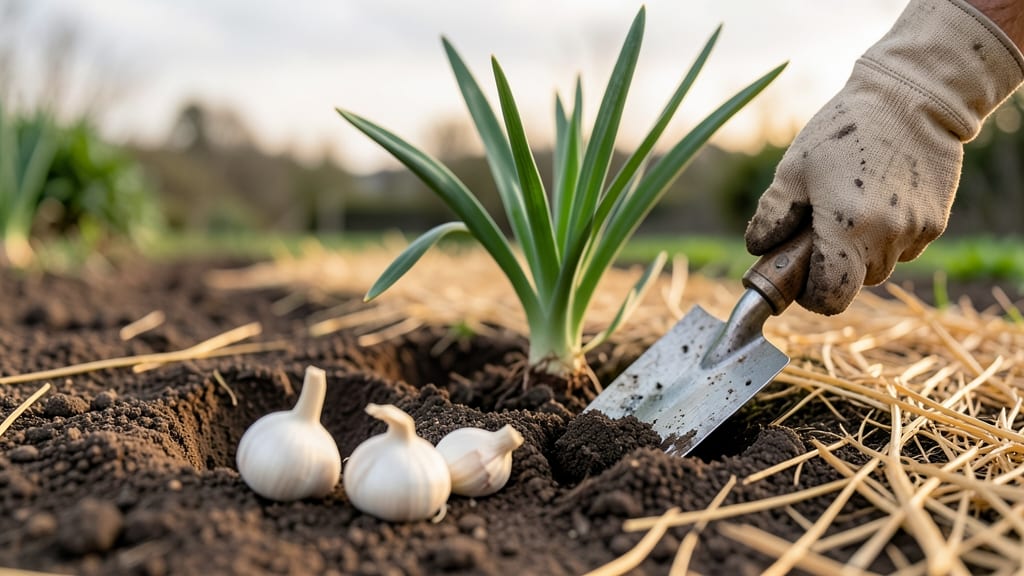
Timing your garlic planting in Western Pennsylvania isn't just about the calendar—it's about unlocking the secret to plump, flavorful bulbs that make your summer harvest worth the wait.
With hardneck varieties like German White or Music, planting in October or November gives them the perfect head start to survive winter and thrive come spring.
Here in USDA Zone 6a, where frosts can sneak in as early as mid-November, the 4-6 week window before the ground freezes is critical. Plant too soon, and your cloves might rot; too late, and they won’t establish strong roots before winter dormancy.
I’ll show you exactly how to nail that sweet spot—plus how to adjust for those tricky microclimates between Pittsburgh and the Allegheny Mountains.
Beyond the clock, soil prep and mulching are your game-changers. We’ll cover how to prep your beds for drainage, which varieties handle PA’s winters best, and why a thick layer of straw or leaves after planting can mean the difference between a thriving crop and a lost harvest.
Ready to grow garlic that’ll make your neighbors jealous?
Let’s dive into the exact steps—from clove selection to spring emergence—and why October 15th is the magic date for most gardeners in this region. Spoiler: It’s not just about the month, but the temperature and soil conditions that set the stage for success.
Western PA hardneck garlic planting calendar: exact months and temperature rules
Western Pennsylvania’s USDA Zones 5-6 create a narrow window for planting hardneck garlic—typically between October 1st and November 15th. This timing ensures cloves establish roots before winter while avoiding early frost damage.
The key is soil temperatures between 40°F and 50°F, which triggers root growth without encouraging early shoot emergence.
For Pittsburgh and surrounding areas, aim for mid-October planting—this aligns with average first frost dates around November 15th. In higher elevations like the Allegheny Mountains, shift planting to late September or early October to account for earlier frosts.
Always check your local frost-free date and plant 4-6 weeks before the ground freezes.
Why timing matters: Planting too early (August-September) risks premature sprouting, while late planting (December+) delays bulb development. Hardneck varieties like 'German White' or 'Music' need this precise window to form large, flavorful bulbs by next summer.
Soil temperature thresholds:
- 40°F-50°F: Ideal for root establishment
- Below 40°F: Growth halts; risk of frost damage
- Above 50°F: Encourages early shoots vulnerable to winter kill
| Month | Soil Temp (°F) | Planting Window | Notes |
|---|---|---|---|
| September | 50°F+ | Early (high elevations) | Risk of sprouting; reserve for late-frost areas |
| October | 40°F-50°F | Optimal (Pittsburgh & suburbs) | Best for hardneck varieties; 4-6 weeks before frost |
| November | 35°F-40°F | Late (mild winters) | Limited root growth; mulch heavily |
| December | Below 35°F | Not recommended | High frost risk; poor bulb development |
Use a soil thermometer to verify temperatures—this is more accurate than air temperature. For Pittsburgh-area gardeners, mid-October (around October 15th) is the sweet spot. In Erie or State College, shift planting 1-2 weeks earlier to account for cooler climates.
Pro tip: Separate garlic cloves and let them dry for 24 hours before planting. This reduces rot risk in cold, wet soils. Store cloves in a cool, dark place until planting day to maintain dormancy.
Hardneck varieties like 'Chesnok Red' or 'Silverskin' thrive in PA’s winters, but avoid softneck types—they require longer growing seasons and struggle with our cold snaps. Once planted, mulch with 4-6 inches of straw to insulate cloves through winter.
After planting, mark your rows with flags or stakes to avoid disturbing them in spring. Garlic emerges slowly—don’t panic if shoots appear late (March-April). Patience pays off with bold-flavored bulbs ready for July-August harvest.
🌱
How to time your garlic planting for maximum bulb size in PA’s climate
Western Pennsylvania’s microclimates can throw off even the most experienced garlic growers. The Allegheny Mountains might see frost by November 1st, while Pittsburgh suburbs often hold off until mid-month. To maximize bulb size, I’ve learned to adjust planting dates based on soil temperature—aim for 40-50°F—not just calendar dates.
Use a soil thermometer to confirm readiness, especially if your garden sits in a frost pocket.
Soil prep is your foundation for success. Before planting, mix in 2-3 inches of compost to improve drainage, which is critical in PA’s heavy clay soils. Garlic hates soggy roots, so raised beds or slightly elevated rows work wonders if your yard stays damp.
I’ve seen rotten cloves in low spots—don’t let that happen to you!
Here’s my pro tip for mulching: After planting, cover beds with 6-8 inches of straw or leaves. This insulation protects cloves through winter and suppresses weeds. In early spring, I remove half the mulch to let sunlight warm the soil, but leave enough to retain moisture during dry spells.
Think of it as a garlic blanket—cozy but not suffocating.
⚠️ Common Mistakes That Shrink Harvests
Planting too shallow (less than 2 inches) exposes cloves to frost heave. Over-fertilizing in fall encourages top growth at the wrong time. And skipping mulch in winter means frozen soil and stunted bulbs. I’ve lost entire patches to these errors—don’t make them!
Adjust for your specific location. If you’re in the Laurel Highlands, plant by October 1st. Near Erie, you’ve got until November 15th. Check your last frost date (usually November 15th for most of PA) and count backward 4-6 weeks.
Pro growers like me use frost-free days to fine-tune timing—aim for 165+ days from planting to harvest.
Spring emergence is your first sign of success. When shoots appear in March, resist the urge to fertilize—garlic draws nutrients from the soil, not fresh feed. Instead, focus on weed control and consistent watering (deep soaks every 10-14 days).
By June, your bulbs will be forming, and proper timing means larger, more flavorful harvests by July.
Remember: October 15th is my sweet spot for most of Western PA, but your garden’s unique conditions might shift that window. Pay attention to soil temps, frost patterns, and plant health—they’ll tell you when you’ve got it right. Happy planting!