
Plants
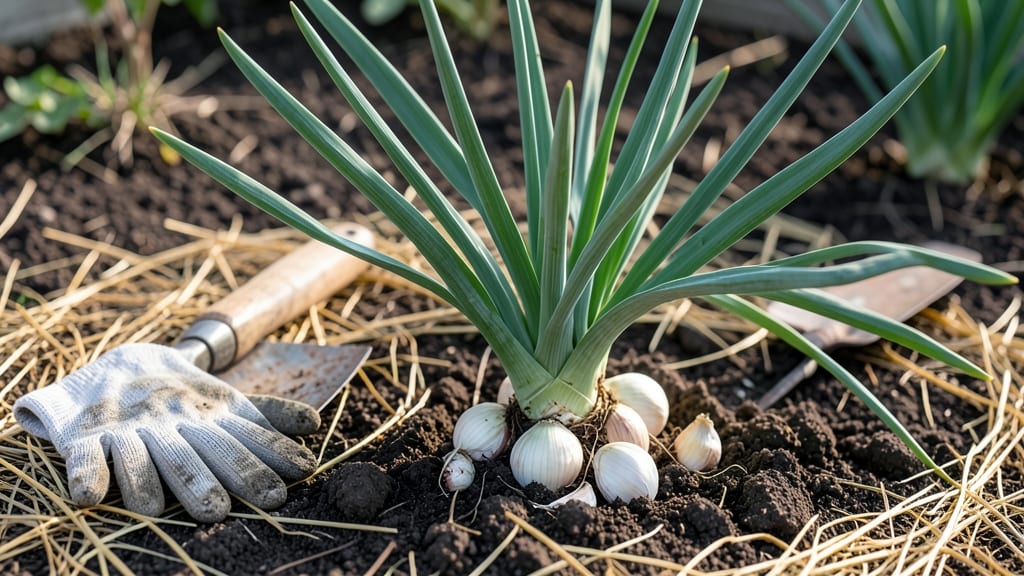
Planting garlic in South Dakota at the wrong time can mean the difference between a thriving crop and wasted effort—especially in Zone 4B-5A where winters are long and summers short.
The key to success lies in timing, and if you get it right, you'll be rewarded with plump bulbs ready for harvest by mid-July.
Most gardeners in South Dakota swear by planting their 🧄 between late September and early October, but there’s more to it than just picking a date. Understanding your local frost patterns and soil conditions makes all the difference.
Whether you’re growing hardneck or softneck varieties, the right timing ensures your garlic survives the winter and thrives come spring.
I’ve tested different planting schedules over the years, and what I’ve learned could save you from common mistakes—like planting too early or too late—that often lead to poor yields.
Let’s break down the best strategies for your climate, so you can confidently plant and enjoy a harvest that’ll make your kitchen the envy of the neighborhood.
From soil prep to spacing and post-planting care, I’ll walk you through every step to maximize your garlic’s potential. Ready to dig in? Let’s get started.
Best planting months for garlic in South Dakota’s zone 4B-5A
South Dakota’s Zone 4B-5A climate demands precise timing for garlic planting—too early and cloves rot, too late and growth stalls before harvest. The ideal window is late September to early October, when soil temperatures drop below 70°F but before hard frosts lock the ground.
This timing ensures cloves establish roots before winter dormancy while avoiding spring planting pitfalls.
Garlic thrives in South Dakota’s short growing season because it overwinters and emerges in spring. Planting in fall gives bulbs a 9-10 month head start, allowing them to mature by mid-July—just before summer heat peaks. Missing this window risks smaller bulbs or complete crop failure.
Your last frost date (mid-to-late October) is your deadline. Aim to plant 4-6 weeks before the ground freezes solid. In Zone 4B (western SD), this means late September; in Zone 5A (eastern SD), you can stretch to early October. Use a soil thermometer—50-60°F is perfect for planting.
| Planting Window | Zone 4B (Western SD) | Zone 5A (Eastern SD) | Soil Temp | Key Notes |
|---|---|---|---|---|
| Ideal Month | Late Sept - Early Oct | Early Oct | 50-60°F | Best bulb size |
| Last Chance | Mid-Oct | Late Oct | 40-50°F | Risk of poor growth |
| Avoid After | Nov 1 | Nov 15 | Below 40°F | Cloves may rot |
| Spring Backup | April (risky) | April (risky) | 45-55°F | Small bulbs only |
Microclimates matter in South Dakota. Urban areas (like Sioux Falls) stay slightly warmer, giving you 10 extra days for planting. Rural spots near the Black Hills freeze earlier—adjust by 2 weeks earlier. Watch for early thaws in March; if soil warms above 50°F, garlic may bolt prematurely.
Hardneck varieties (like 'German White' or 'Music') are best for South Dakota because they adapt to cold and produce scape shoots in summer. Softnecks (like 'Silverskin') struggle in Zone 4B’s winters. Plant hardnecks 2 weeks earlier than softnecks to maximize their cold-hardiness.
Test your soil’s drainage before planting. South Dakota’s clay-heavy soils in eastern regions need amendments (like compost or sand) to prevent rot. In sandy western soils, mulch heavily (4-6 inches) to retain moisture. Aim for pH 6.0-7.0—garlic hates acidic soil.
Mark your calendar for late September and set reminders for soil checks. Use a moisture meter to confirm soil is damp but not soggy at planting time. If rains delay your schedule, cover cloves with straw to protect them until you can plant.
Pro tip: Plant garlic in raised beds if your yard has poor drainage. The elevated soil warms faster in spring, giving your crop a 2-week head start. Just ensure beds have drainage holes to prevent winter waterlogging.
Remember, timing is everything in South Dakota’s short season. When you plant garlic in late September, you’re not just following a calendar—you’re beating the clock to grow the biggest, healthiest bulbs possible. Get it right, and you’ll harvest plump, flavorful garlic just as summer begins.
Best planting months for garlic in South Dakota’s zone 4B-5A
South Dakota’s Zone 4B-5A climate demands precise timing for garlic planting, where a 4-6 week window before the ground freezes is critical. The ideal planting window is between late September and early October, aligning with when soil temperatures drop below 50°F (10°C)—this chilling period actually strengthens bulb development.
Why this timing? Garlic needs a period of cold to vernalize (a natural dormancy process), but it also must avoid early winter freezes. Planting too early (like August) can cause cloves to sprout before winter, while planting too late (November) risks them not establishing roots before the ground freezes solid.
Local frost patterns are your best guide: aim to plant 4-6 weeks before your first hard frost (typically mid-October in most of South Dakota). For example, in Sioux Falls (Zone 4B), late September works perfectly, while in Rapid City (Zone 5A)
Microclimates matter too! If you’re in a warmer microclimate (like near a south-facing wall or paved area), plant slightly earlier. Conversely, in colder pockets (valleys or shaded areas), delay by a week to avoid premature freezing. Pro tip: Use a soil thermometer to confirm temperatures are consistently below 50°F (10°C)—this is your green light to plant. If you miss the window, don’t panic! You can still plant in November if the ground is workable, though yields may be smaller. Once planted, focus on mulching heavily (4-6 inches of straw or leaves) to insulate cloves through winter. This simple step can mean the difference between a thriving crop and a failed one in South Dakota’s unpredictable winters.
Factor
Zone 4B (e.g., Sioux Falls)
Zone 5A (e.g., Rapid City)
Ideal Planting Window
Late September - Early October
Early October - Mid-October
Soil Temperature
Below 50°F (10°C)
Below 50°F (10°C)
First Hard Frost
Mid-October
Late October
Planting Depth
2 inches
2 inches
Spacing
4-6 inches apart
4-6 inches apart