
Plants
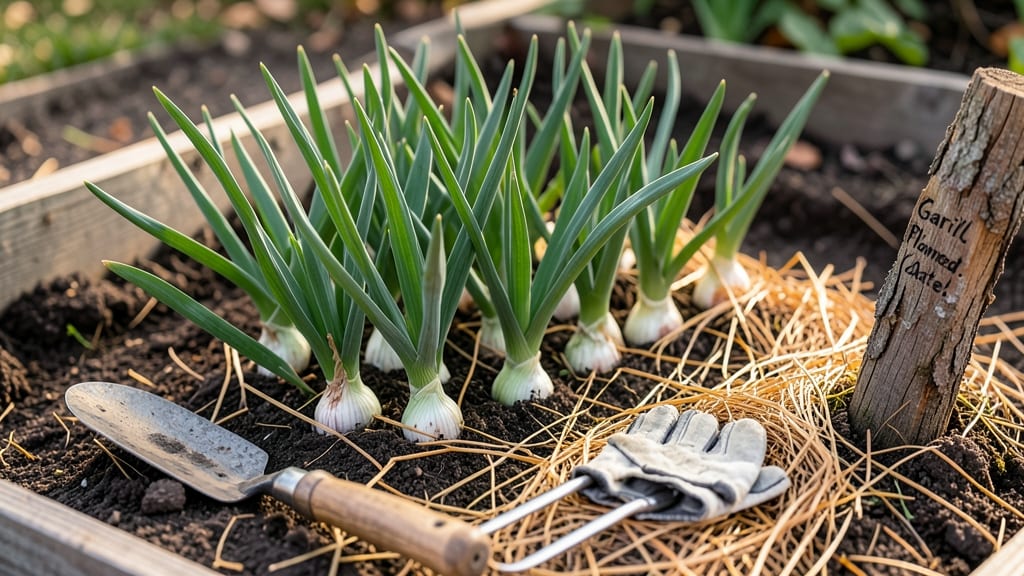
Timing your garlic planting in South Louisiana isn't just about the calendar—it's about beating the heat, dodging hurricanes, and outsmarting the 90°F+ soil that can turn your cloves into flops.
Plant too early, and your 🧄 might bolt before winter; too late, and frost could nip them before they bulk up. The secret? A 4-6 week window before that first chill sets in.
Most gardeners here swear by October as the sweet spot, but November works too if you're in a milder microclimate. The key is getting those cloves in the ground when daytime temps hover around 70-75°F—cool enough for roots to establish before the real heat hits.
And let's not forget: South Louisiana's humidity means we've got to play it smart with soil prep to avoid fungal nightmares.
I've grown garlic in these zones for years, and I'll show you exactly how to time it right—plus the heat-tolerant varieties that actually thrive here. We'll cover everything from soil prep tricks to avoiding hurricane-season washouts. Ready to grow garlic that'll make your neighbors jealous?
Whether you're a first-timer or a seasoned gardener, these insights will help you skip the common mistakes and harvest plump bulbs by spring. Let's get those cloves in the ground the right way—because in Louisiana, timing really is everything.
Best months to plant garlic in South Louisiana’s humid climate
South Louisiana’s USDA Zones 8b-9a and humid subtropical climate create unique challenges for growing garlic. Unlike northern climates, we don’t have long, cold winters—just short, mild winters followed by brutal summer heat.
This means timing is everything to avoid premature bolting (when garlic flowers and produces seed heads instead of bulbs) or poor bulb development.
For optimal garlic growth, plant in October or early November. This gives cloves enough time to establish roots before winter and avoid summer heat stress. Late plantings in December can still work, but bulbs may be smaller.
The key is to plant 4-6 weeks before the first frost (around December 15 in most of Louisiana), not after.
Here’s why October is ideal: Soil temperatures stay below 80°F until late fall, reducing the risk of bolting. By planting early, garlic cloves can root deeply before winter dormancy.
In contrast, planting in September risks bolting as soil temperatures remain too warm, while January plantings often fail to mature before summer heat arrives.
🌱Pro Tip: Use a soil thermometer to monitor temperatures. Garlic cloves should never be planted in soil warmer than 75°F—this triggers bolting. In South Louisiana, soil temps often exceed this in late September and October, so early October is the safest window.
🌿Regional Reality: Unlike northern gardeners who plant in fall and spring, Louisiana gardeners should stick to fall planting only. Spring plantings here rarely mature before summer heat causes stress. Even hardneck varieties (like German White) struggle to form bulbs if planted after January.
📅 South Louisiana Garlic Planting Timeline
| Stage | Action | Notes |
|---|---|---|
| Early October | Plant cloves 2" deep, 4-6" apart | Soil temp <75°F; ideal for root growth |
| November-December | Winter dormancy; minimal care | Mulch with 2-3" straw to insulate |
| January-February | Resist bolting with shade cloth if needed | Watch for white rot in wet winters |
| March-April | Fertilize lightly; water deeply | Bulbs form rapidly—avoid nitrogen overload |
| May | Harvest before tops fall over | Bulbs ready when lower leaves brown |
💡Microclimate Matters: Coastal areas like Lafayette or New Orleans have warmer winters than inland regions like Alexandria or Shreveport. If you’re near the Gulf, plant earlier (late September) to avoid January-February heat spikes. Inland gardeners can push planting to mid-October safely.
🌡️Heat Tolerance Thresholds: Garlic cloves can survive brief soil temps up to 85°F, but bulbs won’t form well. In South Louisiana, soil temps exceed 80°F by late October, so shade cloth (30-50%) can buy you 2-3 extra weeks of planting time if needed.
Just remove it by December to allow sunlight for bulb development.
✂️Clove Selection Tip: Choose large, plump cloves from heat-tolerant varieties (more on these in the next section). Smaller cloves produce smaller bulbs, and softneck varieties (like Silverskin) handle humidity better than hardnecks in our climate.
🌧️Rainy Season Risk: Louisiana’s winter rains (November-February) can lead to waterlogged soil, which causes white rot and bulb rot. To prevent this, plant on raised beds or amend soil with compost and sand for better drainage. Elevate beds 6-12 inches if your yard floods easily.
📋Final
Best months to plant garlic in South Louisiana’s humid climate
South Louisiana’s humid subtropical climate means garlic planting isn’t as straightforward as in cooler regions. The key is timing your fall planting to avoid 90°F+ soil temperatures that trigger bolting (flowering) and stunted bulbs.
Aim for October through early December, when daytime highs drop below 80°F and nights stay mild.
Your last frost date in Louisiana’s Zone 8b-9a is around February 15, but garlic planted in late fall needs 60-90 days of cool weather to form bulbs.
Plant too late (after November), and your garlic may bolt prematurely or produce small cloves. For the safest window, I recommend mid-October as the ideal start date.
| Planting Window | Soil Temp (°F) | Daytime Highs (°F) | Risk Level |
|---|---|---|---|
| Mid-September | 85°F+ | 90°F+ | ⚠️ High (bolting risk) |
| October (ideal) | 70-80°F | 80-85°F | ✅ Low (optimal) |
| November | 60-70°F | 70-75°F | ⚠️ Moderate (late frost risk) |
| December | 55-60°F | 65-70°F | ❌ High (frost damage) |
For extra insurance, I recommend using row covers or planting in raised beds to moderate soil temperatures. If you’re in southern parishes (like Lafayette or Houma), where winters are milder, you can push planting to early November.
But in northern areas (like Shreveport), stick to October to avoid early frosts.
Pro tip: Test your soil temperature with a soil thermometer before planting. Garlic roots thrive in 60-70°F soil—any hotter, and you’ll trigger bolting. If your soil is still too warm in October, wait 1-2 weeks or use shade cloth to cool it down.
Don’t forget to choose hardneck varieties for Louisiana’s climate—they handle our mild winters better than softneck types. German White and Creole garlic are my top picks for heat tolerance and disease resistance in our humid conditions.
Once planted, mulch heavily with straw or leaves to protect cloves from freeze-thaw cycles and retain moisture. This is especially critical in January-February, when temperatures can dip into the 30s°F.