
Plants
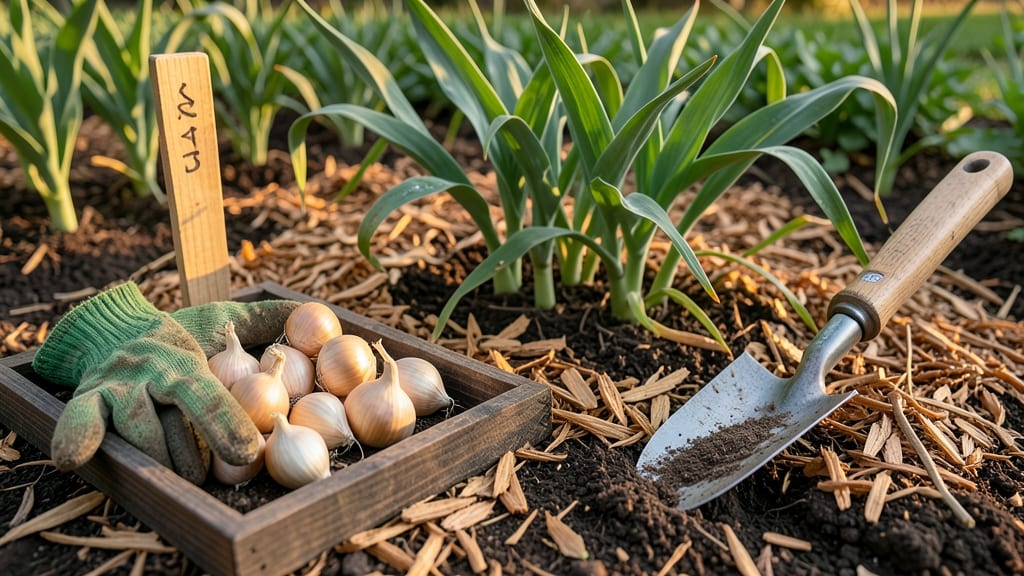
If you're dreaming of a bountiful harvest of 🧄 garlic in Phoenix, timing is everything—because planting too late or too early can turn your hard work into a desert mirage.
The key to success lies in understanding when to plant garlic in Phoenix, where winter rains and summer heat create a unique growing challenge.
Most gardeners in USDA Zone 9b know that fall is the magic window for planting garlic, but in Phoenix, you’ve got just a 3-month span—from November to January—to get it right.
Miss this window, and you risk stunted growth or bulbs that never fully form, thanks to the relentless heat that follows.
Don’t worry, though—I’ve got the inside scoop on heat-resistant varieties that actually thrive here, plus soil prep tricks to give your garlic the best shot at success.
Whether you're a seasoned gardener or just starting out, these tips will help you avoid common pitfalls and grow garlic that’s as hardy as the desert itself.
Ready to transform your garden into a garlic haven? Let’s dive into the exact steps you need to plant garlic in Phoenix and set yourself up for a harvest that’ll make your neighbors green with envy.
Best planting windows for garlic in Phoenix’s desert climate
Phoenix’s USDA Zone 9b climate means no frost to worry about, but garlic still needs cool winter temperatures to form bulbs. Planting too late risks summer heat stress, while early planting lets roots establish before 100°F+ temperatures arrive.
The ideal window is November through January, when soil temps stay below 70°F.
Hardneck varieties (like 'German Red') need cold vernalization—even Phoenix’s mild winters provide enough chill. Softneck types (like 'Silverskin') are more flexible but still prefer cooler months. Avoid planting after February, as bulbs may bolt prematurely in the heat.
Soil temperature is critical—garlic cloves won’t sprout reliably above 75°F. Use a soil thermometer to confirm temps before planting. In Phoenix, November soil temps average 65-70°F, perfect for germination.
Winter rains in Phoenix (November-February) help moisten soil naturally, reducing irrigation needs. If rains are scarce, deep watering every 10-14 days keeps roots healthy. Mulch with straw or wood chips to retain moisture and moderate soil temps.
Garlic planted in October may struggle if soil stays warm, but February plantings can work if followed by cool spring weather. Monitor 30-day forecasts—if heat waves are predicted, delay planting until temps drop.
| Planting Window | Soil Temp | Climate Notes | Action Items |
|---|---|---|---|
| November | 65-70°F | Cool nights, winter rains | Plant cloves 2" deep |
| December | 60-65°F | Mildest temps, ideal germination | Mulch heavily (3-4") |
| January | 60-68°F | Dry but cool; monitor moisture | Fertilize with 5-10-10 |
| February | 65-75°F | Risk of early heat; last chance | Use shade cloth if hot |
| March+ | 75°F+ | Too hot; bulbs may bolt | Avoid planting |
Hardneck garlic (best for cold climates) thrives in Phoenix’s winters but needs 60-65°F soil to form scapes. Softneck varieties (heat-tolerant) can handle slightly warmer soils (65-70°F) but may produce smaller bulbs if planted late. For largest yields, prioritize November plantings.
Phoenix’s low humidity and intense sun can dry out garlic quickly. After planting, water deeply every 10-14 days to encourage deep root growth. Drip irrigation is ideal—it delivers water directly to roots without wetting leaves (reducing fungal risk).
Harvest timing depends on planting month: November plantings are ready by late May-early June, while January plantings may not mature until July. Watch for lower leaves turning brown—this signals bulb maturity. Don’t wait too long, or bulbs may split or rot in the heat.
If you miss the fall window, consider container growing—pots can be moved to shaded areas during summer. Use well-draining potting mix with 50% compost to mimic Phoenix’s sandy loam while retaining moisture.
Best planting windows for garlic in Phoenix’s desert climate
Phoenix’s USDA Zone 9b climate means no frost to worry about, but timing your garlic planting is still critical. Unlike cooler regions, you’ll skip spring planting entirely—focus instead on fall and early winter when temperatures drop below 80°F but stay above freezing.
This window ensures bulbs mature before summer heat stress sets in.
Your ideal planting window spans from late November through January, with December being the sweet spot. Planting too early (October) risks heat exposure, while waiting until February may delay bulb formation before summer’s peak.
Aim to plant 6-8 weeks before the last expected cold snap, though Phoenix rarely sees frost.
For hardneck garlic, prioritize November-December planting—the cooler temps trigger bulb formation. Softneck varieties are more flexible but still thrive when planted by January 15th at the latest. Both types need consistent moisture during bulb development, which aligns with Phoenix’s winter rain season.
Use a soil thermometer to confirm temps are consistently below 75°F before planting. Phoenix’s winter days can still hit 80°F, so prioritize shaded planting spots or use shade cloth during heat spikes.
Plant cloves 2-4 inches deep, 4-6 inches apart, with the pointed end up—this spacing prevents overcrowding as bulbs swell.
After planting, mulch heavily with straw or wood chips (3-4 inches thick) to insulate bulbs from temperature swings. This mimics the natural winter moisture cycle while protecting against summer heat stress. Avoid synthetic mulches—they trap too much heat in Phoenix’s climate.
Harvest timing varies by variety but typically falls between April and June. Look for lower leaves turning brown while upper leaves stay green—a classic sign bulbs are ready. In Phoenix’s heat, harvest before soil temps exceed 85°F to prevent bulb deterioration.