
Planting
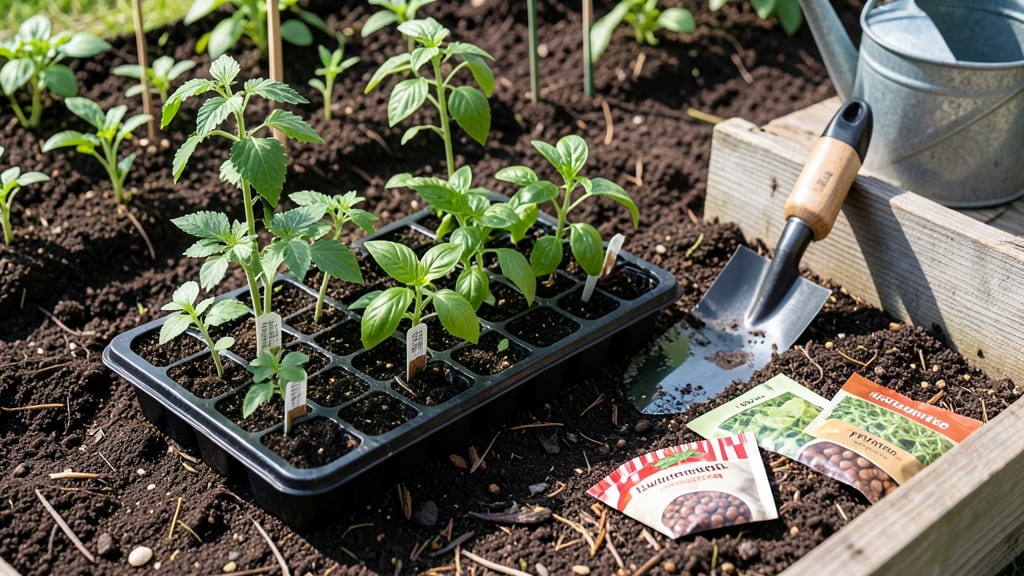
Timing your garden planting in Iowa isn’t just about luck—it’s about knowing the exact windows to avoid frost-killed plants and wasted effort. With USDA Zone 5b’s unpredictable swings between 50°F soil and sudden freezes, even experienced gardeners can get it wrong.
Whether you’re sowing spinach in spring or planting kale for fall harvests, missing these deadlines by just a week could mean the difference between a lush garden and a failed crop.
I’ve spent years tracking Iowa’s frost patterns, and the key is understanding when to start seeds indoors, when to harden off seedlings, and how to adjust for microclimates—whether you’re in a city lot or a rural field.
The late April to mid-May window for spring planting isn’t just a suggestion; it’s a rule backed by data from Iowa State University. But here’s the catch: even after the last frost (usually around April 15), soil warmth matters more than calendar dates.
What if you’re planting for a fall harvest? The September to October window is your golden opportunity, but rushing it could leave your greens vulnerable to early frosts. I’ll break down the science behind these deadlines—so you can plant with confidence, whether you’re growing tomatoes, herbs, or perennials.
Let’s make sure your garden thrives, not just survives.
Ready to dive in? You’ll learn how to read frost forecasts, prep your soil, and even extend your growing season with row covers. No more guesswork—just a foolproof plan for Iowa’s 165 frost-free days. Let’s get those seeds in the ground the right way.
Iowa’s last frost dates by plant type: USDA Zone 5b planting schedule
Understanding Iowa’s USDA Zone 5b frost dates is the key to avoiding frost-killed seedlings and maximizing your garden’s potential. According to Iowa State University’s historical frost data, the average last spring frost occurs around April 15th, while the first fall frost typically arrives by October 15th.
These dates create a 165-day growing season—plenty of time for two full planting cycles if you plan strategically.
Your planting timeline should revolve around these critical frost dates. Cool-season crops like spinach, peas, and lettuce can handle light frosts and should be sown 4-6 weeks before your last frost date (around March 15th).
Meanwhile, warm-season staples like tomatoes, peppers, and corn need to wait until after May 1st when soil temperatures consistently stay above 50°F.
🌱
| Plant Type | Planting Window | Soil Temp Requirement | Notes |
|---|---|---|---|
| Cool-Season Crops (Spinach, Lettuce, Peas) | March 15 - April 15 | 40-50°F | Tolerates light frost; sow seeds directly. |
| Warm-Season Crops (Tomatoes, Peppers, Corn) | May 1 - May 15 (after last frost) | 50-60°F | Use row covers for early starts; transplant seedlings. |
| Perennials (Asparagus, Rhubarb) | Early Spring (March) or Fall (Sept-Oct) | 40-50°F | Plant crowns 2-3 inches deep; mulch heavily. |
| Fall Crops (Kale, Radishes, Carrots) | August 15 - September 15 | 50-60°F | Sow 4-6 weeks before first frost for harvest. |
| Flowers (Marigolds, Zinnias, Sunflowers) | April 15 - June 1 | 50°F+ | Direct sow after frost; deadhead for continuous blooms. |
For warm-season crops, timing is critical—planting too early can stunt growth or kill seedlings when nighttime temperatures dip. Use a soil thermometer to confirm your garden bed has reached the required 50°F minimum before transplanting seedlings.
My go-to tip? Start warm-season crops indoors under grow lights 6-8 weeks before your last frost date to give them a head start.
Don’t overlook fall planting—it’s a smart way to extend your harvest. Crops like kale, radishes, and carrots thrive in cooler temperatures and can be sown as late as September 15th for a late-October harvest.
Just be sure to use row covers to protect tender seedlings from unexpected early frosts.
Perennials deserve special attention too. While they’re planted once, their long-term success depends on proper timing.
For asparagus crowns, plant in early spring when soil is workable (40°F+) or in fall for a head start next year. Rhubarb, another Iowa favorite, should be planted in spring or early fall to avoid winter heaving.
Pro tip: Bookmark Iowa State University’s frost prediction maps for real-time updates. Their 10-day forecasts can help you adjust planting dates if an unexpected cold snap is predicted. I’ve used these alerts to delay transplanting by a week and saved my tomato seedlings from frost damage more than once.
🌿
Remember, Iowa’s microclimates can vary significantly—urban areas may experience 2-3°F warmer temperatures than rural zones due to the heat island effect. If you’re in Des Moines, you might push your planting dates 1-2 weeks earlier than a gardener in Dubuque. Always monitor local conditions and adjust accordingly.
Finally, keep a planting journal to track your own frost dates and success rates. Over time, you’ll refine your schedule to match your specific Iowa location. Start with these USDA Zone 5b guidelines, but don’t hesitate to experiment—your garden’s unique conditions might reveal even better windows for success!
How to adjust planting times for Iowa’s microclimates and soil conditions
Iowa’s USDA Zone 5b climate means your planting schedule should adapt to local microclimates—whether you’re in a urban heat island or a rural farm field. Urban areas often warm up 1-2 weeks earlier than rural zones, while low-lying spots can stay colder longer.
Always check your last frost date (typically April 15 in most of Iowa) but adjust based on your yard’s specific conditions.
Soil temperature is just as critical as air temperature. Use a soil thermometer to confirm when the ground reaches 50°F for cool-season crops or 60°F+ for warm-season plants.
In Iowa, this usually aligns with late April to early May, but raised beds and dark-colored soil (like compost-rich areas) warm up faster—sometimes by 3-5 days.
Extend your growing season with row covers or cold frames to plant 4-6 weeks earlier in spring or 2-3 weeks later in fall. These tools create a 5-10°F warmer microclimate, letting you sow spinach or kale as early as mid-March or harvest green beans into late October.
Just remove covers when flowers appear to prevent pollination issues.
For raised beds, which warm up faster, start warm-season crops 1 week earlier than in-ground planting. Amend beds with compost or aged manure to improve drainage and warmth retention.
In contrast, heavy clay soils common in northern Iowa stay cold longer—opt for early-maturing varieties like ‘Early Girl’ tomatoes or ‘Sugar Snap’ peas to compensate.
Monitor local weather forecasts for frost advisories and use frost cloth to protect tender seedlings. In southern Iowa (Zone 6a), you might push planting to mid-April, while northern areas (Zone 5a) should wait until late April.
Always have a backup plan: keep seedling trays indoors until soil conditions are ideal.
Adjust your watering schedule too—urban gardens dry out faster due to pavement heat, while wooded areas may stay damp longer. Aim for 1-2 inches of water weekly, delivered in the morning to reduce evaporation and fungal risks.
Mulch with straw or wood chips to regulate soil temperature and moisture, especially in raised beds or container gardens.