
Planting
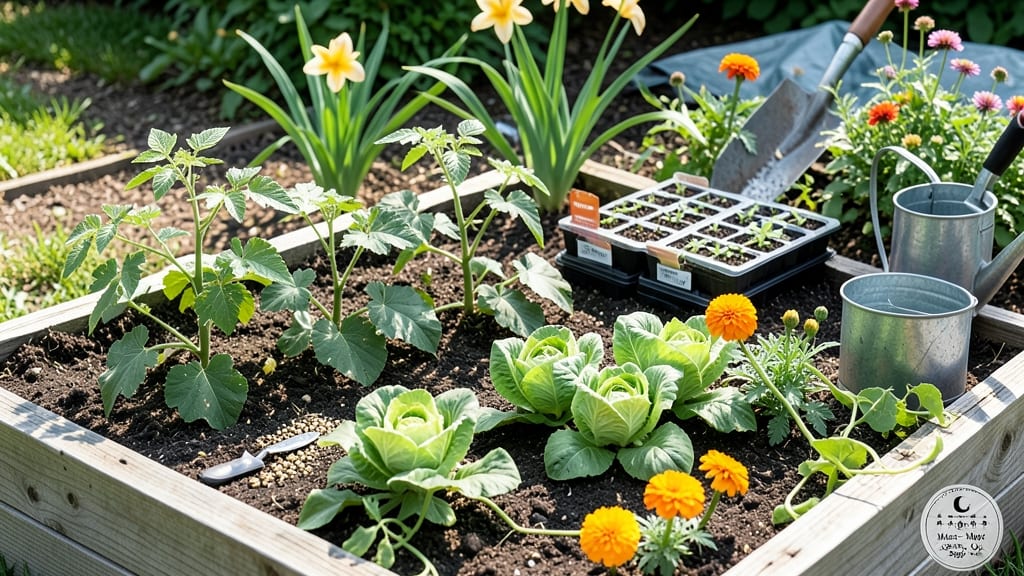
Timing your General Garden Plants (East Tennessee) 🌱 perfectly is the difference between a bumper crop and a bust. With East Tennessee’s unpredictable swings from frost to heat, planting too early or late can leave your hard work wilting before it even starts.
You’ve got just two short windows—late March to early June for spring and August to early September for fall—to get most crops in the ground.
But here’s the catch: even within those windows, your elevation matters. A valley garden in Knoxville might be ready weeks before mountain plots in the Smokies.
I’ll break down the exact dates for cold-hardy crops like spinach and peas versus warm-season stars like tomatoes, plus how to adjust for your microclimate. No more guessing—just a clear roadmap to your best harvest yet.
Ready to turn your garden dreams into reality? Let’s get those seeds in the soil at the perfect moment.
East Tennessee planting calendar: exact dates for cold-hardy crops by Zone 6-7
East Tennessee’s USDA Zones 6a-7a bring unique challenges—late frosts in spring and early ones in fall mean precise timing is everything. For cold-hardy crops like broccoli, spinach, and peas, planting too early risks frost damage, while waiting too long shortens your harvest window.
The key? Start 4-6 weeks before your last average frost date (around April 15 in most areas).
In Zone 6a (higher elevations like Asheville), aim for late March to early April for early varieties. Zone 7a (lower elevations like Knoxville) can plant slightly later—mid-to-late April—to avoid surprise frosts.
Always check local frost dates from sources like the Tennessee State University Extension for year-to-year variations.
🌱 PRO TIP: Use row covers to extend your planting window by 2-3 weeks earlier in spring or 2-4 weeks later in fall. This simple trick adds valuable growing time for crops like lettuce and radishes.
For direct-sown cool-season crops, follow this 3-step rule:
- Test soil temperature—it should be 40-50°F for peas and spinach.
- Check frost forecasts—avoid planting if a 28°F frost is predicted within 5 days.
- Plant in stages—sow half your seeds, wait 2 weeks, then sow the rest for staggered harvests.
| Crop | Zone 6a Planting Window | Zone 7a Planting Window | Notes |
|---|---|---|---|
| Broccoli | Late March - Early April | Mid-April - Early May | Plant seeds ¼ inch deep |
| Peas | Late March - Mid-April | Early April - Late April | Trellis for support |
| Spinach | Early April - Mid-May | Mid-April - Early June | Bolt-resistant varieties |
| Kale | Late March - Early May | Early April - Late May | Sweetest after frost |
| Lettuce | Early April - Mid-May | Mid-April - Early June | Succession plant every 2 weeks |
Don’t overlook fall planting—it’s just as productive as spring! In East Tennessee, you can plant cool-season crops until early September for harvests before the first frost (around October 15). Radishes and turnips mature quickly (30-40 days), making them perfect for late-summer sowings.
For perennials like asparagus, plant crowns in early spring (March-April) or fall (September-October). The roots need time to establish before winter. In Zone 7a, fall planting gives asparagus a head start for next year’s harvest.
Always <
Warm-season starts in East Tennessee: when to transplant tomatoes, peppers, and more after last frost
Transplanting your tomatoes, peppers, and squash at the right time is the difference between a garden full of lush plants and one that struggles through the heat. In East Tennessee, these warm-season crops need soil temperatures above 60°F and no more frost risk to thrive.
That means waiting for the last average frost date, which typically lands around April 15 in lower elevations but can be weeks later in the mountains.
I’ve grown tomatoes in both Knoxville and the Smokies, and trust me—planting too early in the valleys (where soil warms faster) can be just as risky as waiting too long. The key is checking soil thermometers and local frost forecasts, not just calendar dates.
For example, in Zone 6a (like Johnson City), you might wait until May 1, while Zone 7a (like Chattanooga) can often start by April 20.
Here’s my foolproof method for timing transplants: Start your seedlings indoors 6-8 weeks before your last frost date, then harden them off for 7-10 days before moving them outside. For East Tennessee, that means late February to early March starts for most gardeners.
Pro tip: Use black plastic mulch to warm the soil faster—it can shave 1-2 weeks off your transplant window!
- Tomatoes: April 25-May 10 (valleys); May 10-20 (mountains)
- Peppers: May 1-May 15 (they hate cold soil)
- Squash/Cucumbers: May 10-20 (soil must be warm)
One mistake I made early on was transplanting peppers too soon because the air felt warm. But cold soil stunts their growth, so always check below the surface. If your soil is still chilly, opt for container gardening—pots warm up faster and give you more control.
I’ve had great success with black fabric pots in partial shade until the ground heats up.
Don’t forget about fall transplants either! If you’re aiming for a winter harvest, you can plant warm-season crops like bush beans or swiss chard as late as July 15 in Zone 7a. These tolerate cooler temps better and give you a second harvest before frost.
Just aim to get them in the ground 8-10 weeks before your first frost (around October 15).
Timing your warm-season crops right means bigger yields, healthier plants, and less stress as you watch your garden grow. Grab that soil thermometer, check your local frost dates, and get those transplants in the ground when the time is truly right! 🌱