
Planting
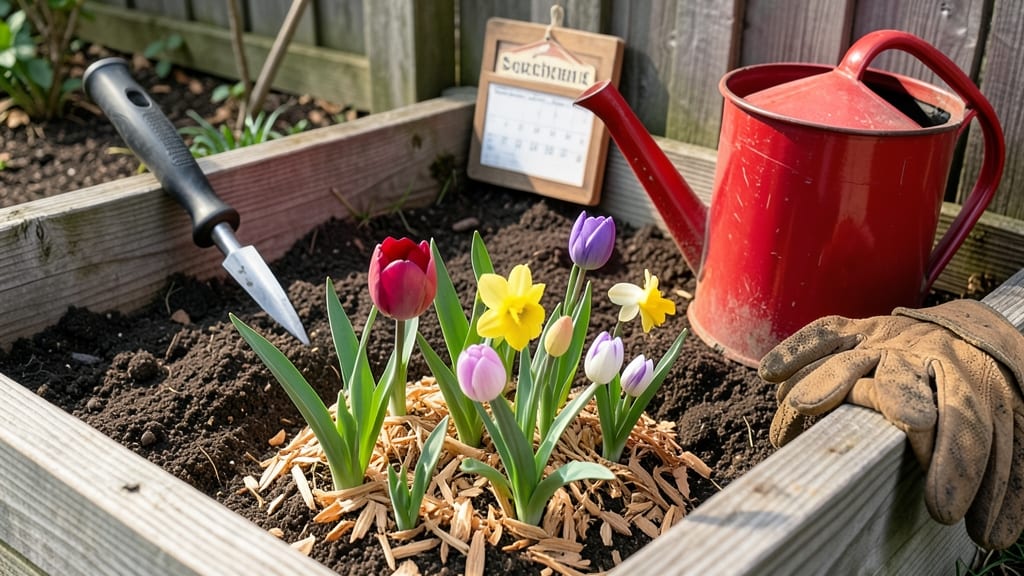
Timing when to plant a garden in CT just right can mean the difference between a lush harvest and a frost-killed disappointment. Knowing when to plant in CT’s Zone 6B—where last frosts linger until mid-May—isn’t just about guessing; it’s about working with the state’s unpredictable but rewarding climate.
Whether you’re dreaming of juicy tomatoes or fragrant herbs, the key lies in understanding your local frost dates and soil temperatures.
I’ll break down the exact windows for planting everything from cool-season greens to heat-loving peppers, so you can start confidently—no more second-guessing when to drop those seeds in the ground.
From coastal breezes to inland heat pockets, Connecticut’s microclimates create unique opportunities. You’ll learn how to adjust your planting schedule based on where you live, plus smart tricks to extend your growing season for bigger yields. Let’s get your garden thriving on schedule!
Ready to ditch the guesswork? I’ll walk you through the most critical deadlines, from early spring starts to late-summer succession planting, so your garden becomes the envy of the neighborhood. No more wasted seeds or missed harvests—just a perfectly timed plot.
Connecticut Zone 6B frost dates: exact planting windows by season
Connecticut’s Zone 6B climate means frost can strike anytime between April 15–May 15 in spring and October 15–November 15 in fall. These dates aren’t just numbers—they’re your garden’s lifeline.
Knowing them lets you plant cool-season crops like spinach and peas before the last frost, while warm-season crops like tomatoes and peppers wait until after the first frost risk has passed.
For spring planting, aim for late April to mid-May for most vegetables, but hardy greens like kale can handle early March sowing under row covers.
The average last frost date in CT’s Zone 6B is around May 10, but coastal areas may see it 1–2 weeks later due to moderating ocean breezes.
Here’s the critical frost date breakdown you need to plan your garden:
| Season | Key Dates | Planting Window | Best Crops |
|---|---|---|---|
| Spring | Last Frost: May 10 Soil Warms: Late April |
March 15–April 30 (cold-hardy) May 15–June 1 (warm-loving) |
Peas, lettuce, broccoli, tomatoes, peppers |
| Summer | First Frost: October 15 | June 1–July 31 (peak season) | Cucumbers, beans, squash, basil |
| Fall | First Frost: October 15 Soil Cools: Late August |
August 1–September 15 (cool-season) | Kale, spinach, carrots, radishes |
Pro tip: Use row covers to extend your spring planting window by 2–3 weeks for heat-loving crops like tomatoes. These lightweight fabrics trap warmth and protect seedlings from late frosts, giving you a head start on the season.
For warm-season vegetables, wait until the soil reaches at least 60°F—test it with a soil thermometer. In CT, this usually happens by mid-May inland and late May near the coast. Planting too soon in cold soil stunts growth and invites disease.
Inland areas like Hartford and New Haven tend to have earlier last frosts (around May 5–10), while coastal regions like New London and Groton may see frost linger until May 15–20. Adjust your planting dates accordingly—coastal gardens can often start 2 weeks later than inland ones.
Don’t forget fall planting! Many crops thrive in CT’s cooler autumn weather. Sow spinach and kale by August 15 for a harvest before frost. Use black plastic mulch to warm the soil and jumpstart growth in early fall.
Track your local frost dates using the National Weather Service or Almanac’s Frost/Freeze Calculator. Over time, you’ll notice microclimate patterns in your own yard—maybe your south-facing slope warms up faster than the shady north side. Use these observations to fine-tune your planting schedule each year.
Plan ahead for succession planting too. By staggering sowings every 2 weeks, you’ll enjoy a continuous harvest of lettuce, radishes, and beans instead of a single glut. This is especially useful in CT’s short growing season.
🌱
Best plants to start indoors vs. direct-sow in Connecticut’s climate
Deciding whether to start seeds indoors or sow directly outdoors in Connecticut’s Zone 6B climate can feel overwhelming. The difference between a thriving garden and a failed crop often comes down to timing and temperature.
For example, tomatoes and peppers need a head start indoors, while radishes and spinach can handle direct sowing once the soil warms. Let’s break down the best approach for your favorite crops.
Your garden’s success hinges on understanding soil temperatures and frost risk. In Connecticut, soil typically reaches 50°F by mid-April, but nighttime frosts can linger until late May. This means tender seedlings like basil and cucumbers must wait until after the last frost date—usually around May 15—to go outside.
Meanwhile, hardy crops like kale and carrots can start outdoors as early as March 15 under row covers.
Indoor starting gives delicate plants a 6-8 week head start before transplanting. This is critical for broccoli, cabbage, and peppers, which need warmth to germinate. For instance, begin tomato seeds indoors by March 1 to transplant them outside by May 1, just as the soil warms. Without this early start, your seedlings may struggle to catch up once moved outdoors.
Indoor vs. Direct-Sowing: Pros & Cons
Indoor Starting
- Pros: Longer growing season, better control over conditions
- Cons: Requires space, equipment, and careful monitoring
Direct-Sowing
- Pros: Saves time, less risk of transplant shock
- Cons: Limited to hardy crops, vulnerable to pests
Best Crops for Each Method
| Crop | Method | Why? |
|---|---|---|
| Tomatoes | Indoor | Need 60+ days to mature; frost-sensitive |
| Radishes | Direct-Sow | Fast-growing; tolerate cool soil |
| Peppers | Indoor | Slow to germinate; need warmth |
| Spinach | Direct-Sow | Bolts in heat; prefers cool soil |
Transplanting seedlings outdoors requires acclimatization to avoid shock. Harden off your indoor starts by placing them outside for 1-2 hours daily, gradually increasing exposure over 7-10 days. This mimics Connecticut’s variable spring weather and prepares plants for temperature swings.
For example, move basil seedlings outside in late April, but keep them under a cloche if nighttime temps drop below 50°F.
Microclimates in Connecticut add another layer of complexity. Coastal areas like New London experience milder winters and later frosts, while inland regions like Hartford can see earlier springs. Adjust your planting timeline by 1-2 weeks based on your location.
For instance, coastal gardeners can direct-sow lettuce by March 20, while inland gardeners should wait until April 5.
Don’t overlook succession planting—a game-changer for CT’s short growing season. Sow bush beans every 2 weeks from late May through July to ensure a continuous harvest. Similarly, replant carrots every 3 weeks for a steady supply. This strategy maximizes your garden’s potential and minimizes wasted space.