
Flowers
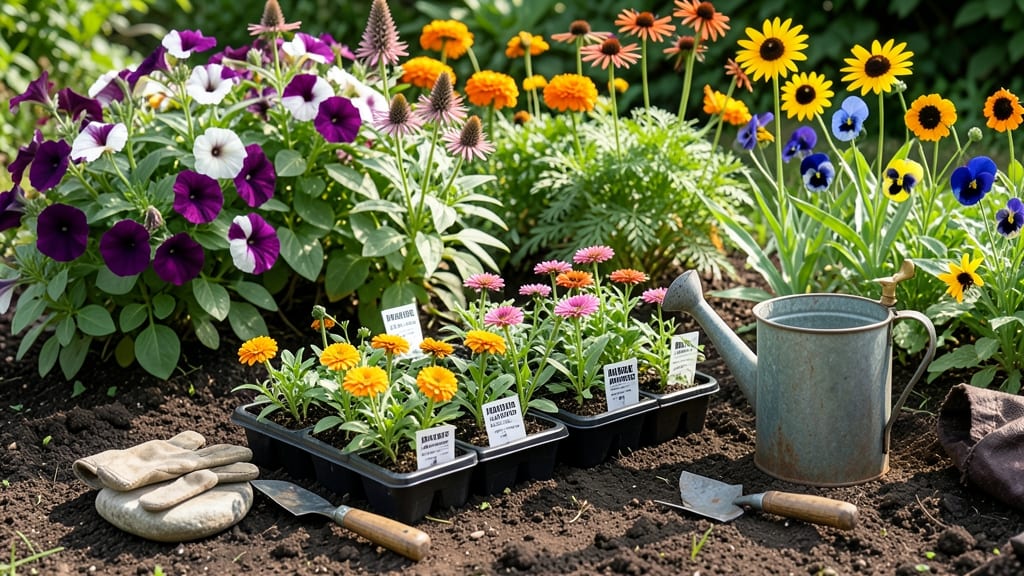
Timing your flowers 🌸 planting in Philadelphia can mean the difference between a showstopping garden and a sad, frost-nibbled disappointment. With USDA Zone 7a's unpredictable shifts between winter chill and summer heat, getting those seeds in the ground at just the right moment is everything.
Most gardeners here know the general rule—spring and fall are prime—but the devil's in the details. Plant too early in spring and a late frost could wipe out your tender seedlings.
Wait too long, and you might miss peak bloom season entirely. The key is understanding Philadelphia's unique frost dates and soil temperature quirks to give your flowers the best possible start.
In this guide, I'll break down exactly when to plant your favorite annuals, perennials, and bulbs for maximum success. We're talking ideal transplant windows, soil prep secrets, and even how to stretch your blooming season with smart planting strategies.
Whether you're a first-time gardener or a seasoned pro, these insights will help you avoid common mistakes and create a garden that bursts with color all season long.
Let's dive into the perfect planting schedule so you can enjoy vibrant flowers from spring through fall without the guesswork. Your future garden will thank you!
Best month-by-month planting schedule for Philadelphia flowers
Philadelphia’s USDA Zone 6B climate demands precision when planting flowers—timing can mean the difference between lush blooms and frost-killed seedlings. The city’s average last frost date is around April 15, while the first frost typically arrives November 15.
Understanding these windows helps you align planting with seasonal shifts for maximum success.
Spring planting kicks off in March for cool-season flowers like pansies and snapdragons, while warm-season favorites like marigolds and zinnias wait until May. Fall offers a second chance with September-October windows for bulbs and hardy perennials.
Let’s break down the ideal schedule month by month to avoid common pitfalls like early frost damage or missed bloom seasons.
🌱 Philadelphia Flower Planting Timeline
| Month | Cool-Season Flowers | Warm-Season Flowers | Soil Temp | Key Tips | ||||||||||||||||||||||||||||
|---|---|---|---|---|---|---|---|---|---|---|---|---|---|---|---|---|---|---|---|---|---|---|---|---|---|---|---|---|---|---|---|---|
| February | Start indoor seeds (pansies, violas) | — | 40-50°F | Use grow lights for seedlings | ||||||||||||||||||||||||||||
| March | Plant hardy annuals (calendula, sweet alyssum) | — | 45-55°F | Mulch to protect roots from late frost | ||||||||||||||||||||||||||||
| April | Transplant cool-season veggies + spring bulbs (tulips, daffodils) | Start warm-season seeds indoors | 50-60°F | Wait until night temps stay above 40°F | ||||||||||||||||||||||||||||
| May | Plant late cool-season flowers (stock, sweet peas) | Transplant warm-season flowers (petunias, geraniums) | 60-70°F | Hardening off seedlings for 1 week | ||||||||||||||||||||||||||||
| June | — | Direct sow heat-loving flowers (sunflowers, cosmos) | 70°F+ | Mulch to retain moisture during dry spells | ||||||||||||||||||||||||||||
| September | Plant fall bulbs (crocus, hyacinth) | Sow fast-growing annuals
Top 5 flowers that thrive in Philadelphia’s seasonal shiftsPhiladelphia’s USDA Zone 6B climate creates the perfect stage for flowers that can handle both hot summers and chilly winters. The right varieties will reward you with bold blooms and minimal fuss. I’ve handpicked five standout flowers that perform exceptionally well here, balancing hardiness, adaptability, and visual impact. These selections thrive in Philadelphia’s spring-to-fall growing window, with some even offering winter interest. Each variety has specific planting times, sunlight needs, and maintenance tips tailored to our local conditions. Let’s dive into the top performers that will keep your garden vibrant all season long.
Each of these Philadelphia-friendly flowers offers something special. Coneflowers and Black-Eyed Susans bring long-lasting summer color with minimal care, while Daylilies deliver continuous blooms from spring to fall. For a pop of early spring color, Daffodils are unbeatable, and Bearded Irises provide striking vertical interest in late spring. When planting these varieties, pay special attention to their specific timing needs. For example, Bearded Irises must be planted in fall only—spring planting will fail due to their need for winter dormancy. Meanwhile, Daffodils should go into the ground by November 15 to establish roots before winter sets in. For maximum impact, combine these flowers in your garden beds. Pair Coneflowers with Black-Eyed Susans for a summer-long |