
Flowers
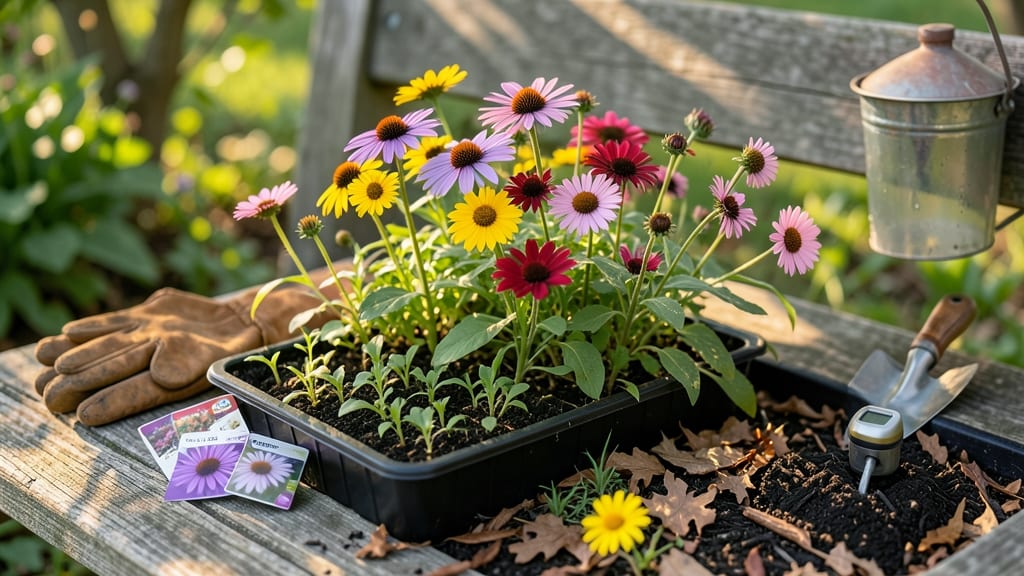
Timing your flower seeds planting in Tennessee isn’t just about luck—it’s about beating the frost and embracing the heat. With USDA zones 6a-7b bringing unpredictable swings between chilly mornings and scorching afternoons, one wrong move could leave you with sad, stunted blooms instead of the vibrant garden you’re dreaming of.
I’ve spent years watching gardens thrive (and sometimes fail) in Tennessee’s climate, and the difference always comes down to one critical factor: planting at the right moment.
Whether you’re sowing zinnias for summer color or coneflowers that’ll last through fall, missing the window by even a week can mean the difference between a showstopping display and a disappointing flop.
Here’s the game-changer: a foolproof schedule tailored to Tennessee’s three distinct regions—East, Middle, and West—so you know exactly when to start seeds indoors, when to brave direct sowing, and how to stretch your blooms from spring to frost. No more guessing, just guaranteed growth.
Ready to transform your backyard into a year-round paradise? Let’s dive into the exact dates, soil secrets, and pro tips that’ll have your 🌸 flower seeds bursting with color from March all the way through October.
Tennessee’s frost-free planting deadlines by month for annual flower seeds
Tennessee’s diverse climate—from the Appalachian Mountains to the Mississippi Delta—creates three distinct planting zones with last frost dates spanning March 15 to April 30. Understanding these windows ensures your flower seeds thrive without frost damage.
The East Tennessee zone (USDA 6a) has the latest frosts, while the West Tennessee zone (USDA 7b) warms earliest.
For spring planting, aim to sow seeds 2-4 weeks before your region’s last frost date. Fall planting should occur 8-10 weeks before the first frost (typically mid-October). Use the table below to pinpoint your exact planting deadlines by month and zone, plus ideal soil temperatures for germination.
| Zone/Month | Last Frost Date | Ideal Planting Window | Soil Temp (°F) | Best Seeds |
|---|---|---|---|---|
| East TN (6a) | April 15-30 | March 15-April 15 | 50-60°F | Pansies, Snapdragons, Sweet Alyssum |
| Middle TN (6b) | April 1-15 | March 1-April 10 | 55-65°F | Marigolds, Zinnias, Cosmos |
| West TN (7b) | March 15-30 | February 28-March 15 | 60-70°F | Petunias, Vinca, Sunflowers |
| Fall Planting (All Zones) | October 15-30 | August 15-September 15 | 60-75°F | Cosmos, Bachelor’s Buttons, Calendula |
For East Tennessee, wait until mid-April to plant heat-loving flowers like zinnias, as nights can still dip below 32°F. In West Tennessee, you can start direct sowing as early as late February for fast-germinating seeds like marigolds or sunflowers, which tolerate cooler soils.
Use a soil thermometer to confirm temperatures—50°F is the minimum for most flower seeds, but 60°F+ speeds up germination. If your soil is too cold, opt for slow-germinating varieties like snapdragons or start seeds indoors 6-8 weeks before transplanting.
Pro tip: Cover seeds with row fabric or a cloche for 2-3 weeks after planting to protect tender seedlings from late spring frosts, which can occur through May in higher elevations. Check the Tennessee State University Extension for your county’s frost-free date updates each year.
For summer planting, focus on heat-tolerant annuals like portulaca or lantana, which thrive in West Tennessee’s 90°F+ soils. Sow these directly in June for late-season blooms before frost.
Always amend clay-heavy soils (common in Middle Tennessee) with compost or sand to improve drainage. Sandy soils in the West may need organic matter to retain moisture for seedlings.
Remember: Succession planting every 2 weeks ensures continuous blooms. For example, sow cosmos in March, zinnias in April, and marigolds in May for a season-long color show.
🌱
Best flower seeds to plant in Tennessee by season for continuous blooms
Tennessee’s three distinct climate zones (East, Middle, West) create unique opportunities for flower lovers. To enjoy continuous blooms from spring to frost, I’ve curated a seasonal planting guide featuring cold-hardy annuals, heat-tolerant varieties, and Tennessee-native pollinator favorites.
Each selection thrives in our USDA Zones 6a-7b and aligns with the frost-free windows we covered earlier.
For spring planting (March-May), focus on cool-season annuals like pansies, sweet alyssum, and snapdragons.
These handle Tennessee’s late frosts and bloom early, while marigolds and zinnias (plant after last frost) take over in summer heat. Fall planting (August-September) lets you sow cosmos, sunflowers, and bachelor’s buttons for late-season color before winter sets in.
Pro Tip: Use succession planting to stagger blooms. For example, sow bachelor’s buttons every 2-3 weeks in spring to ensure flowers appear from May through July. This trick works for cosmos and zinnias too—perfect for extending your garden’s vibrancy without gaps.
🌸 Seasonal Flower Planting Highlights
- 🌱 Spring (Mar-May): Pansies, Sweet Alyssum, Snapdragons (cold-tolerant), Marigolds, Zinnias (after frost).
- ☀️ Summer (Jun-Jul): Cosmos, Sunflowers, Lantana (heat-loving), Petunias (succession plant).
- 🍂 Fall (Aug-Sep): Bachelor’s Buttons, Calendula, Nasturtiums (late bloomers), Tennessee Coneflowers (native pollinators).
💡 Why It Works: Each season’s picks match Tennessee’s soil temps and rainfall, ensuring strong germination and blooms.
Don’t overlook Tennessee-native flowers like black-eyed Susans, butterfly weed, and purple coneflowers. These drought-tolerant perennials attract pollinators and thrive with minimal fuss. Plant their seeds in early spring or fall—they’ll reward you with years of color and wildlife support.
For urban gardens with partial shade, try impatiens or fuchsias; they bloom beautifully under dappled sunlight.
To maximize your garden’s potential, pair fast-blooming annuals (like marigolds) with long-season performers (like cosmos). This combo ensures nonstop color from May through October. For example, plant marigolds in late April for early summer blooms, then follow with cosmos in June to carry the season through frost.
Remember: Soil prep matters. Amend heavy clay soil with compost or sand to improve drainage, and mulch after planting to retain moisture and suppress weeds. With these seasonal strategies, your Tennessee garden will be a blooming paradise year after year.