
Plants
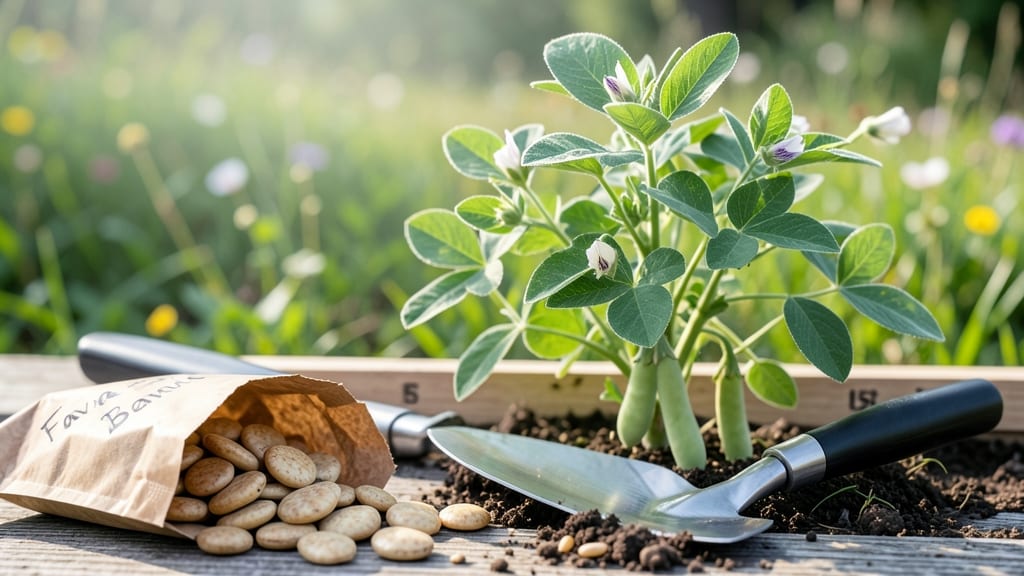
If you're wondering when to plant fava beans in Zone 6, timing is everything—these cool-weather lovers need just the right conditions to thrive. Unlike heat-sensitive veggies, fava beans actually prefer cooler temperatures, making them perfect for Zone 6's early spring or late summer planting windows.
In Zone 6 (General), you’ve got two solid options: sow seeds in early spring after the last frost date (typically around mid-April) or plant in late summer (August to early September) for a fall harvest.
The key is avoiding extreme heat or frost, which can stunt growth or kill young plants.
Why does this matter? Fava beans grow best when soil temps hover between 45°F and 75°F, so planting too early risks frost damage, while waiting too long can lead to bolting (premature flowering).
I’ll break down the exact frost dates, soil prep, and spacing tips to ensure your 🌱 fava beans grow strong and productive.
Ready to grow your own? Let’s dive into the best planting strategies for Zone 6, so you can enjoy fresh, protein-rich pods all season long.
Zone 6 fava bean planting timeline: frost dates and temperature guide
Fava beans love Zone 6’s cool climate, but getting the timing wrong means bolting or frost damage. Unlike heat-loving beans, favas thrive when soil temps stay 40-60°F—perfect for early spring or late summer planting.
My first harvests taught me that patience pays off: rushing seeds into cold soil leads to rot, while waiting too long risks summer heat.
Zone 6’s average last frost date falls around April 15, but your local microclimate may vary by 1-2 weeks. For fall crops, aim to plant 8-10 weeks before your first frost (typically mid-October).
I’ve found that using the National Weather Service’s frost calculator for my county gives me exact dates—just plug in your ZIP code.
Here’s the key: Soil temperature, not air temperature, determines success. Favas need soil at 40°F+ to germinate. I use a soil thermometer (just $15) to check—if it’s colder, wait another week. Pro tip: Plant in raised beds if your garden soil warms slowly; they heat up faster in spring.
🌱
For spring planting, I start seeds indoors 4-6 weeks before my last frost date. Use biodegradable pots to avoid transplant shock—favas hate root disturbance. Harden off seedlings for 7-10 days before moving them outdoors.
In my Zone 6b garden, I’ve had the best luck planting directly in the garden by April 1, when soil temps consistently hit 50°F.
Fall planting offers a second harvest but requires cold-hardy varieties like ‘Himalaya’ or ‘Windsor’. I plant mine August 15-September 1, giving them 90 days to mature before frost. Use black plastic mulch to warm soil faster in early fall—this extends the season by 2-3 weeks.
Just remove it 2 weeks before your first frost to avoid overheating.
Never plant favas when soil temps exceed 70°F—they’ll bolt prematurely. I’ve learned this the hard way after a 95°F heatwave turned my lush plants into tall, flower-only stalks.
If your summer runs hot, opt for shade cloth (30-50% coverage) to keep soil cool. In Zone 6, this usually means avoiding June planting entirely.
🌡️
One mistake I see often? Planting too deeply. Fava seeds need 1-2 inches of coverage max—any deeper and they’ll rot. I mark seed rows with stakes to ensure even depth.
Also, space seeds 2-3 inches apart in rows 18 inches apart; they’ll self-thin as they grow. For container growing, use 5-gallon pots with trellis support—favas climb like peas!
🪴
To extend your harvest, succession plant every 2 weeks in spring or 3 weeks in fall. This ensures a steady supply of 3-4 inch pods—the sweetest stage. I’ve also had success with overwintering in Zone 6: plant September 15-October 1 and protect with straw mulch (6 inches deep).
These beans emerge early next spring, giving you a 3-week head start on growth.
Zone 6 fava bean planting timeline: frost dates and temperature guide
In Zone 6, timing your fava bean planting around frost dates and soil temperatures is critical for a successful harvest. These cool-season crops tolerate light frosts but struggle when soil temps rise above 75°F, so aim for early spring (March-April) or late summer (August-September) plantings.
For spring plantings, wait until 2-3 weeks after your average last frost date (typically mid-April in Zone 6). This gives young seedlings time to establish roots before warmer weather arrives.
Fall plantings should occur 8-10 weeks before your first frost (around early September) to ensure pods mature before winter sets in.
Here’s a quick reference for Zone 6’s key frost dates and planting windows:
| Season | Planting Window | Soil Temp | Frost Risk |
|---|---|---|---|
| Spring | Mid-March to mid-April | 45°F–65°F | Low (after last frost) |
| Fall | Early August to early September | 55°F–70°F | Moderate (before first frost) |
To calculate your local frost dates, check the USDA Plant Hardiness Zone Map for your specific Zone 6 subregion (6a or 6b). For example, areas in 6a (colder) may need to plant slightly later in spring than 6b (warmer). Always monitor weekly forecasts—a sudden cold snap can delay planting.
Pro tip: Use black plastic mulch in early spring to warm soil faster, or plant near south-facing fences to extend the growing season. Test soil temps with a thermometer—ideal planting temps are 50°F–60°F for germination.
Once planted, fava beans thrive in cool but consistent weather. Avoid planting in extreme heat (above 80°F), as this causes bolting (premature flowering) and reduces pod quality. With the right timing, you’ll enjoy harvests in 60–90 days, depending on the variety.