
Plants
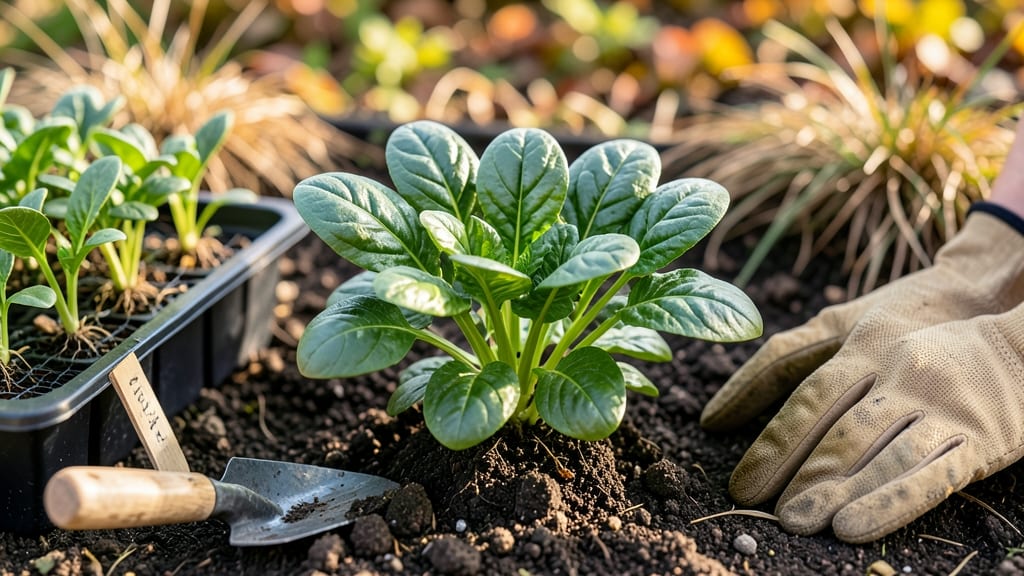
Planting fall spinach in Zone 6 at the wrong time can turn your crisp harvest dreams into bitter disappointment—especially when summer heat lingers or frost sneaks in too soon.
The 6-8 week rule before your first frost isn't just a guideline; it's your golden ticket to tender, sweet leaves that thrive in cooler weather.
For Zone 6 gardeners like you, timing matters more than you might think. While mid-August to early September is ideal, microclimates and spinach varieties can shift that window by weeks.
Whether you're growing savoy types or flat-leaf varieties, understanding these nuances ensures you avoid bolting and maximize your harvest before winter sets in.
I'll walk you through exactly how to calculate your perfect planting date, from soil prep to succession planting strategies. You'll discover how to extend your harvest through winter using simple row covers and when to stop fertilizing to keep your spinach 🥬 productive until the first hard frost.
Ready to grow spinach that's sweeter and more abundant than ever? Let's break down the step-by-step process so you can enjoy fresh greens from October straight through November—no guesswork required.
Optimal planting timeline for fall spinach in Zone 6 (with frost date calculator)
For Zone 6 gardeners, the 6-8 week rule before your first frost is your best guide for planting fall spinach. Since Zone 6's average first frost falls around mid-October, your ideal planting window opens in late August and closes by early September.
This timing ensures your spinach reaches maturity before cold weather sets in, delivering tender leaves instead of bitter or bolted plants.
But here's the catch: Zone 6 spans 6a and 6b, with frost dates varying by 1-2 weeks. In colder 6a areas, aim for late August planting, while 6b gardeners can stretch to early September.
Always check your local frost date calculator—I use the Old Farmer's Almanac—to pinpoint your exact timeline.
Spinach varieties also play a role. Savoy types like 'Bloomsdale Long Standing' mature in 45-50 days, while flat-leaf varieties like 'Tyee' take 30-40 days. Planting savoy spinach slightly earlier (late August) and flat-leaf types later (early September) balances your harvest window for continuous greens.
🌱
| Planting Window | Zone 6a (Colder) | Zone 6b (Warmer) | Key Consideration |
|---|---|---|---|
| First Succession (Early) | Late August | Late August | Savoy varieties (45-50 days to maturity) |
| Second Succession (Mid) | Early September | Early-Mid September | Flat-leaf varieties (30-40 days to maturity) |
| Third Succession (Late) | Mid-September | Late September | Fast-maturing 'Baby's Leaf' types (28-35 days) |
| Soil Temperature Threshold | Below 80°F | Below 80°F | Avoid planting when soil temps exceed 80°F to prevent bolting |
| First Frost Buffer | 6-8 weeks before frost | 6-8 weeks before frost | Spinach tolerates light frost but won't survive hard freeze |
Succession planting is your secret weapon for a continuous harvest. Start with a late August planting of savoy spinach, followed by flat-leaf varieties in early September, and finish with fast-maturing baby leaf types in mid-September.
This staggered approach ensures you harvest fresh greens from October through November, just before winter sets in.
Don't overlook soil preparation. Spinach thrives in well-draining, slightly acidic soil (pH 6.5-7.0). Before planting, amend your soil with 2-3 inches of compost and a balanced 10-10-10 fertilizer.
Test your soil's temperature—it should be below 80°F to prevent bolting. Use a soil thermometer to monitor conditions if summer heat lingers.
For container gardening, choose deep pots (at least 12 inches deep) with drainage holes. Plant seeds ½ inch deep and thin seedlings to 4-6 inches apart once they're 2-3 inches tall.
Containers warm up faster than garden beds, so monitor soil moisture closely and consider shade cloth on hot afternoons.
💧
One common mistake is planting spinach too early in summer. When daytime temperatures exceed 80°F, spinach bolts rapidly, sending up bitter flower stalks. To avoid this, wait until late summer's heat subsides—aim for soil temps below 75°F for optimal growth.
If you're eager to start earlier, consider shade cloth or drip irrigation to keep plants cool.
Pro tip: Mark your planting dates on a garden calendar alongside your frost dates. This visual reminder helps you stay on track, especially when summer's last heatwave delays your plans.
I always add a red X for the last possible planting date—typically 3 weeks before frost for baby leaf varieties—to avoid last-minute regrets.
Optimal planting timeline for fall spinach in Zone 6 (with frost date calculator)
Zone 6 gardeners have a 6-8 week window to plant fall spinach for maximum yield, but timing depends on your specific first frost date.
Most Zone 6 regions experience their first frost between October 15-30, so aim to plant mid-August to early September for a harvest before winter sets in.
For example, if your first frost arrives on October 20, plant by September 1 to ensure mature leaves before cold weather.
Use a spinach maturity calculator—most varieties take 30-60 days to reach harvest size, depending on whether you choose fast-maturing types like 'Baby's Leaf Hybrid' or slower varieties like 'Bloomsdale Long Standing'.
🚨 NON-NEGOTIABLE: Avoid planting spinach in late summer heat (above 75°F) as it triggers bolting. Instead, wait until soil temperatures drop below 70°F for ideal germination and growth.
| Planting Stage | Action | Zone 6 Timeline | Key Notes |
|---|---|---|---|
| Soil Prep | Test pH (6.0-7.0), add compost | Late July - Early August | Ensures nutrient-rich soil |
| Direct Sowing | Plant seeds ½" deep, 2" apart | Mid-August - Early September | Avoid hot soil (>75°F) |
| Thinning | Thin to 4-6" spacing | 3-4 weeks after sowing | Prevents overcrowding |
| First Harvest | Pick outer leaves | October - November | Encourages regrowth |
| Final Harvest | Harvest before hard frost | Late November | Spinach survives light frost |
For succession planting, sow a second batch 4-6 weeks after your first planting to extend your harvest into late fall. This works especially well for fast-maturing varieties like 'Tyee' or 'Corvair', which can be harvested in just 30-40 days.
Pro tip: Use a frost date calculator (like the one from the Old Farmer's Almanac) to pinpoint your exact last safe planting date. In Zone 6, this is typically September 15, but urban areas may need adjustments due to heat islands or microclimates.
Remember, spinach is cold-hardy and can survive light frosts, but hard freezes will kill the plant. Plan to harvest before temperatures drop below 20°F for the best results.