
Planting
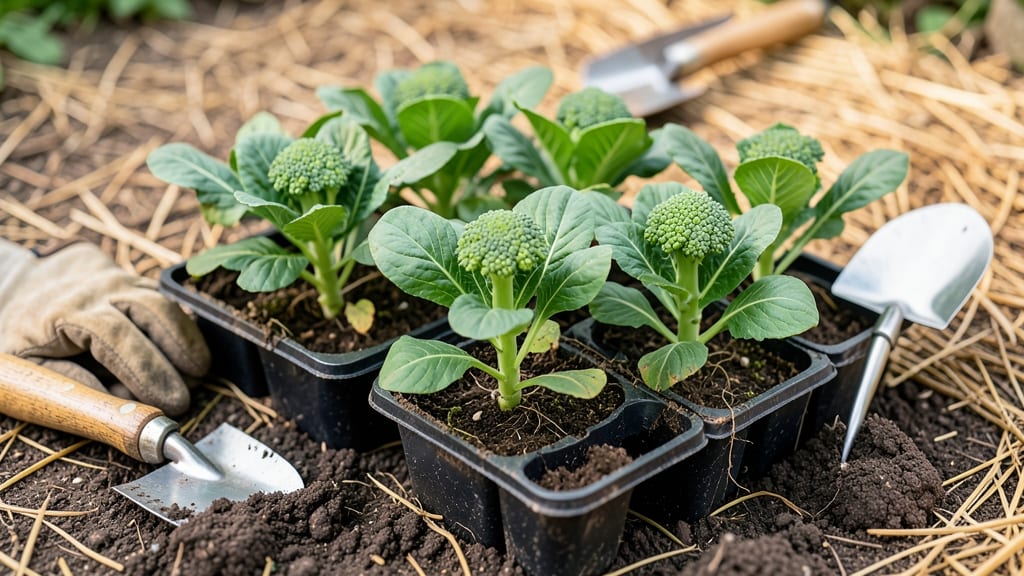
Timing when to plant a fall garden in Zone 7 can mean the difference between a bountiful harvest and wasted effort. Whether you're dreaming of crisp kale or sweet carrots, getting those seeds in the ground at just the right moment is the key to success.
Most gardeners in Zone 7 know the first frost typically arrives around mid-October, but planting too early risks bolting vegetables, while waiting too long leaves you with stunted growth. The sweet spot? Start planting 4-6 weeks before frost, which usually lands between late August and early September.
This guide will walk you through the exact planting windows for your favorite fall crops, how to adjust for early or late frosts, and which varieties thrive in cooler weather. No more guesswork—just reliable harvests until winter sets in.
Ready to transform your garden into a fall harvest goldmine? Let’s dive into the precise timing and strategies that will keep your 🌱 fall garden thriving all season long.
Zone 7 fall planting timeline: exact weeks before frost for key vegetables
Planting a fall garden in Zone 7 means working with a tight schedule—your last frost typically arrives around mid-October, leaving just 8-10 weeks to grow crops from seed to harvest. The key?
Start with heat-tolerant varieties in early August and transition to cold-hardy crops by September. I’ve broken down the exact weeks before frost to plant each category of vegetables for maximum success.
For leafy greens like spinach or lettuce, aim to plant 6-8 weeks before frost (early September in most of Zone 7). These fast growers thrive in cooler weather but won’t survive a hard freeze.
Meanwhile, root vegetables such as carrots or beets need 8-10 weeks to mature, so start them in mid-to-late August. Brassicas like broccoli or kale are more flexible—they can handle light frosts, so plant them 4-6 weeks before frost (early to mid-September).
Here’s the visual planting guide for your fall garden, organized by crop type and frost-free window:
| Crop Type | Planting Window (Zone 7) | Weeks Before Frost | Notes |
|---|---|---|---|
| Leafy Greens (Lettuce, Spinach, Kale) | Early September | 6-8 | Fast growers; harvest before frost |
| Root Vegetables (Carrots, Beets, Radishes) | Mid-to-Late August | 8-10 | Soil must be loose; avoid bolting |
| Brassicas (Broccoli, Cabbage, Brussels Sprouts) | Early to Mid-September | 4-6 | Cold-hardy; can tolerate light frost |
| Peas & Beans (Heat-Tolerant Varieties) | Late August | 6-8 | Plant early for late harvests |
| Herbs (Cilantro, Parsley, Dill) | Early September | 6-7 | Bolts in heat; prefer cooler temps |
Pro tip: Use succession planting for fast growers like radishes or lettuce. Sow a new batch every 2 weeks in September to ensure a continuous harvest.
For example, if your first planting of lettuce bolts by mid-October, a second batch sown in early September will be ready just as the first one fails.
Don’t forget to harden off seedlings if you’re transplanting. Move them outdoors for 1-2 hours daily starting 10 days before planting, gradually increasing exposure to sun and wind.
This toughens them up and reduces transplant shock, which is critical for fall crops that face cooler nights and variable weather.
For Zone 7’s northern edge (e.g., near the Piedmont region), frost can arrive earlier—sometimes as soon as early October. Adjust your timeline by 1-2 weeks earlier if your area tends to have earlier frosts.
Conversely, in southern Zone 7 (e.g., Atlanta or Raleigh), you might have 2-3 extra weeks before frost, giving you flexibility to push harvests into November.
One common mistake I see is planting warm-season crops like tomatoes or peppers in the fall. These need 90+ days to mature and simply won’t make it before frost. Instead, focus on
How to adjust planting dates for Zone 7’s variable frost patterns
Zone 7’s first frost date averages around mid-October, but don’t let that number fool you—your local microclimate can shift those dates by weeks. If you’ve ever planted too early and watched your spinach bolt or your kale turn bitter, you know how critical flexibility is.
The key is understanding how to adjust planting windows based on real-time conditions rather than relying solely on averages.
Start by checking your local frost dates—they can vary by 10-14 days even within the same zone. For example, higher elevations or windy areas often experience frost earlier than sheltered valleys.
Use tools like the National Weather Service or Almanac frost calculators to get a more precise timeline for your specific location.
Once you have your frost dates, work backward using the "50-day rule". Most cool-season crops need about 50 days to mature after transplanting, so aim to plant them 50 days before your first frost date.
For instance, if frost hits October 15, your last transplant date should be around September 5. This gives your plants enough time to establish roots and produce a harvest before winter.
🔍 Key Adjustments for Variable Frost Patterns
- 1. Early Frost Risk? Plant heat-tolerant varieties like 'Heat-Tolerant' kale or 'Early Wonder' peas—they handle warmer soil better.
- 2. Late Frost Delay? Use row covers or cold frames to extend the season by 2-4 weeks.
- 3. Microclimate Matters South-facing beds warm up faster—plant bolting-prone crops like lettuce there first.
- 4. Succession Planting Stagger seeds every 2 weeks to ensure a continuous harvest until frost.
- 5. Real-Time Forecasts Check 7-day lows—if temps drop below 40°F, protect tender seedlings.
Don’t overlook the power of succession planting. Instead of planting all your radishes or lettuce at once, sow a new batch every 10-14 days. This ensures you’ll have fresh harvests even if an early frost hits some plants.
For example, if you plant radishes every 2 weeks from late August through early September, you’ll enjoy a steady supply until frost.
Another game-changer? Row covers and low tunnels. These can push your planting window back by 3-4 weeks, allowing you to grow spinach, arugula, or even broccoli well into November. Just
Finally, keep an eye on soil temperatures. Cool-season crops like carrots and beets struggle in soil warmer than 70°F. If your soil is still hot in late August, wait until it cools to 65°F or below before planting. Use a soil thermometer to monitor—it’s a small investment that pays off in healthier plants.
By combining local frost data, succession planting, and protective tools, you’ll turn Zone 7’s unpredictable frost patterns into an advantage. Your garden will stay productive longer, and you’ll enjoy homegrown goodness well into winter. Happy planting! 🌿