
Plants
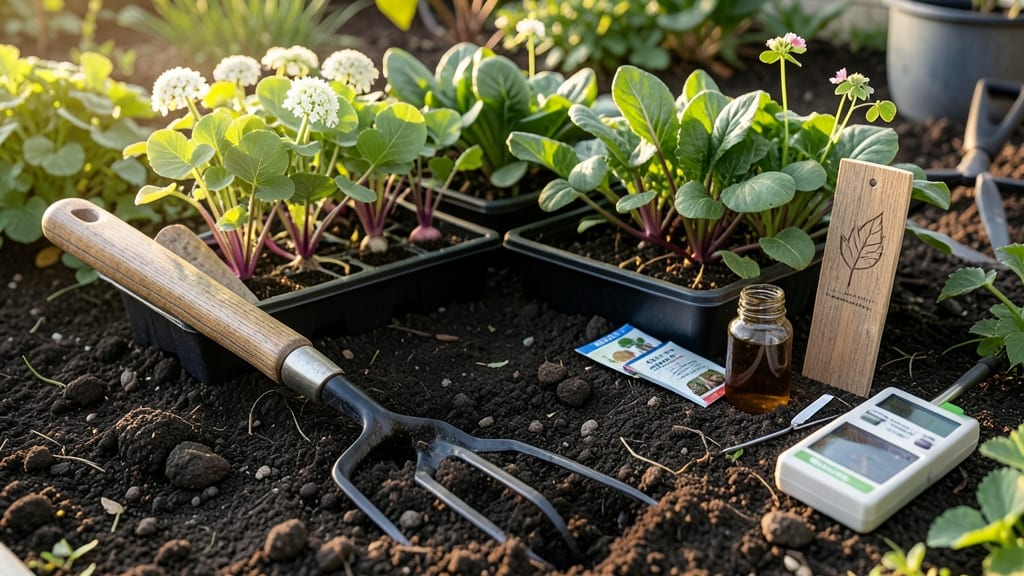
Planting your fall food plots in Georgia at the wrong time could mean skimpy growth or missed opportunities to fatten up whitetail deer before winter.
The perfect window—late July through early September—gives plants enough time to establish roots before frost sets in, but timing is everything in Georgia’s 7b-8b climate.
Why does this matter? Because a well-timed food plot means lush, nutrient-rich forage that deer will devour all season. I’ve seen plots planted too late struggle with weak growth, while those sown at the right moment thrive into December.
The key is understanding how Georgia’s fall frost patterns and soil temperatures work together to create ideal growing conditions.
In this guide, I’ll break down the exact months to plant based on your region, the best crops for Georgia’s climate, and how to prep your soil for maximum success.
Whether you’re a first-time planter or a seasoned hunter, these insights will help you grow food plots that deer can’t resist.
Let’s get started—your whitetail’s next meal could be just a few weeks away if you plant at the right time.
Georgia’s fall food plot planting calendar: best months by region
Georgia’s diverse climate means your fall food plot planting window depends heavily on your region—whether you're in the cool North, transition Central, or warmer South. Planting too early risks heat stress, while waiting too late means frost cuts growth short.
Let’s break down the optimal planting months for each zone to maximize whitetail feed and plant success.
For North Georgia (USDA Zones 7a-7b), where first frosts can arrive as early as late October, aim to plant between mid-August and mid-September. This gives plants 6-8 weeks of growth before cold sets in.
In Central Georgia (Zones 7b-8a), you’ve got a slightly longer window—late July to early October—thanks to milder winters. Meanwhile, South Georgia (Zones 8a-8b) can push planting until early November in most years.
Soil temperature is your best indicator of readiness. Seeds need soil temps between 60°F and 80°F for germination. Use a soil thermometer to check—if temps drop below 55°F, wait until conditions warm up again.
In North Georgia, this often means delaying until September, while South Georgia gardeners can start as early as late July.
Here’s how Georgia’s three regions compare for fall food plot timing, including frost risk and ideal planting windows:
| Region | USDA Zone | First Frost Date | Ideal Planting Window | Soil Temp Threshold | Key Crops |
|---|---|---|---|---|---|
| North Georgia | 7a-7b | Late October | Mid-August to Mid-September | 60°F–80°F | Clover, Rye, Winter Wheat |
| Central Georgia | 7b-8a | Mid-November | Late July to Early October | 60°F–80°F | Brassicas, Chicory, Rye |
| South Georgia | 8a-8b | Early December | Late July to Early November | 65°F–85°F | Clover, Brassicas, Winter Peas |
If you’re in North Georgia and plant in early August, expect slower germination due to summer heat. Instead, wait until mid-August when temps drop slightly.
For Central Georgia, late July plantings work well if you irrigate, but early September is the safest bet for consistent results. South Georgia gardeners can push boundaries—early November plantings often still produce before frost hits.
Don’t overlook microclimates within your region. Low-lying areas or valleys may frost earlier, while hilltops stay warmer. Use a frost date map from your local Cooperative Extension Service to refine your timing.
For example, Dahlonega (North GA) might need to plant by September 1st, while Albany (South GA) could wait until October 15th.
Pro tip: Plant a test strip of your chosen crop in late August to gauge germination rates. If seeds sprout within 7-10 days, you’re golden.
If not, adjust your planting date or check soil moisture. Consistent soil moisture is just as critical as timing—dry soil delays germination, while soggy soil risks rot.
Remember, fall food plots aren’t just about deer attraction—they’re a year-round investment. A well-timed plot in September can provide winter forage and even spring regrowth for early-season whitetails. Plan accordingly, and your food plots will pay dividends long after the first frost.
🌱
Georgia’s fall food plot planting calendar: best months by region
Georgia’s diverse climate means your fall food plot planting window depends heavily on where you live. In North Georgia (Zone 7b), cooler temperatures arrive earlier, while South Georgia (Zone 8b) stays warm longer.
The ideal planting window—late July to early September—gives plants time to establish roots before frost hits, but regional differences matter.
For example, in North Georgia, aim to plant by mid-August to avoid early frosts that can kill young seedlings. Meanwhile, South Georgia gardeners can push planting into early September with less frost risk. Central Georgia falls somewhere in between, with late August as the sweet spot for most crops.
Soil temperature is another critical factor. Most fall food plot seeds germinate best when soil is between 60°F and 75°F. In Georgia, this typically aligns with late summer, but a late heatwave can push it into early fall. Always check soil temps with a soil thermometer before planting.
🌱 Georgia Fall Food Plot Planting Calendar by Region
| Region | Ideal Planting Window | Soil Temp Threshold | First Frost Risk |
|---|---|---|---|
| North Georgia (Zone 7b) | Late July - Mid-August | 60°F - 70°F | Mid-October |
| Central Georgia (Zone 7b-8a) | Late July - Late August | 65°F - 75°F | Late October |
| South Georgia (Zone 8b) | Late July - Early September | 70°F - 80°F | Early November |
*Adjust dates 1-2 weeks earlier for high-elevation areas or later for low-lying regions.
If you’re planting cool-season crops like clover or winter rye, aim for 4-6 weeks before the first frost to ensure they establish strong roots. For brassicas (turnips, radishes), which grow faster, you can push planting into early October in warmer regions, but they’ll bolt faster in cooler areas.
Pro tip: Use a frost date map for your county (available from the Georgia Climate Project) to pinpoint your exact frost window. This helps avoid planting too late and risking weak growth before winter sets in.
Once you’ve locked down your planting window, focus on soil preparation. Georgia’s clay-heavy soils often need compost or lime to improve drainage and pH. Test your soil in early summer so you have time to amend it before planting.