
Plants
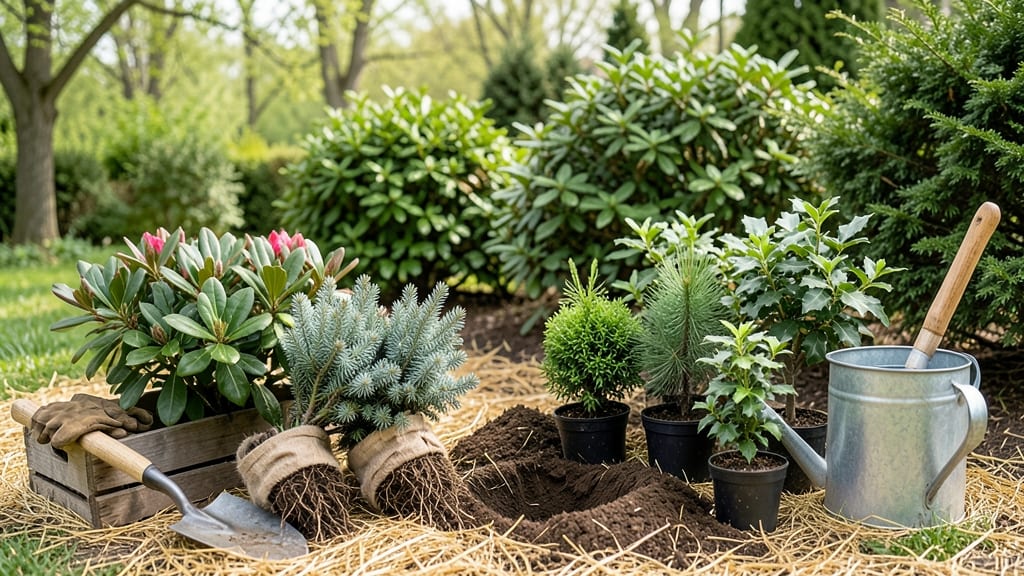
Timing your evergreens planting in Zone 6 could mean the difference between a thriving 🌲 and one that barely survives winter. The wrong window leaves roots vulnerable to frost, while the perfect moment ensures strong establishment before cold sets in.
Most gardeners in Zone 6 (6a-6b) know spring and fall are ideal—but when exactly should you plant? The answer depends on your specific evergreen type and local frost dates. I’ll break down the best months for each scenario, so you can avoid common mistakes that lead to transplant shock.
Whether you’re adding a dwarf Alberta spruce or a towering Leyland cypress, getting the timing right is the key to long-term success. Let’s explore the optimal planting windows and how to prepare your evergreens for Zone 6’s challenging climate.
From soil prep to watering schedules, I’ll cover everything you need to know to give your evergreens the best possible start—before the first frost hits in mid-October.
Optimal planting windows for evergreens in Zone 6: month-by-month breakdown
Zone 6 gardeners face a critical decision: plant evergreens in early spring or fall. Both windows offer advantages, but timing directly impacts root establishment before winter. In Zone 6, where first frost typically arrives by October 15, evergreens need 4-6 weeks to establish roots before dormancy sets in.
Spring planting (March–April) gives evergreens the entire growing season to strengthen roots before winter, while fall planting (September–November) allows them to tap into soil moisture before cold sets in. However, planting too late in fall risks transplant shock when roots can't establish before freezing temperatures.
For bare-root evergreens, the ideal window is November through March, when they're dormant and easier to handle. Container-grown evergreens, however, can be planted throughout the growing season, though early spring and fall remain optimal.
| Season | Best Months | Soil Temp | Key Considerations |
|---|---|---|---|
| Spring | March–April | 45–60°F | Full growing season for root growth; avoid late spring planting (May) as summer drought stress increases. |
| Fall | September–October | 50–65°F | Must plant 6–8 weeks before first frost; ideal for container-grown evergreens. |
| Late Fall | November | Below 40°F | Risky unless planting bare-root varieties; roots may not establish before dormancy. |
In Zone 6, early September is the last safe window for fall planting. By this time, soil temperatures remain warm enough for root growth while still allowing 6-8 weeks before frost.
For example, planting a Dwarf Alberta Spruce in early September gives it enough time to establish roots before winter, whereas planting in late October often results in winter burn.
Spring planting offers more flexibility, but avoid waiting until May. By this time, summer heat and drought stress can hinder root establishment. Instead, aim for March or early April when soil temperatures are ideal (50–60°F) and rainfall increases.
This timing also allows evergreens to benefit from spring rains, reducing irrigation needs.
Microclimates within Zone 6 can shift planting windows by 2–4 weeks. For instance, areas near large bodies of water may have warmer fall temperatures, extending the planting window into early November.
Conversely, inland regions with earlier frost may need to plant by late September. Always check your local frost dates and adjust accordingly.
Bare-root evergreens are best planted in late fall (November) or early spring (March) when they're dormant. This reduces transplant shock and allows roots to establish before active growth begins. Container-grown evergreens, however, can be planted throughout the growing season, but early spring or fall still provide the best results.
One common mistake is planting evergreens in late spring (May–June). While the weather may seem ideal, summer drought and heat stress can prevent roots from establishing properly.
Evergreens planted during this window often struggle to survive the first winter due to shallow root systems. Always prioritize root establishment over above-ground growth.
To maximize success, test your soil's drainage and pH before planting. Evergreens prefer slightly acidic soil (pH 5.0–6.5) and well-draining conditions. Amending clay soil with compost or sand can prevent root rot, a common issue in Zone 6's heavy soils.
Proper soil prep ensures evergreens focus energy on root growth rather than struggling with poor conditions.
Optimal planting windows for evergreens in Zone 6: month-by-month breakdown
Zone 6 gardeners have two prime windows to plant evergreens: early spring and fall, each with distinct advantages. The goal is always the same—giving roots 4–6 weeks to establish before winter’s first frost (typically around October 15).
Spring planting (March–April) offers warmer soil for faster root growth, while fall planting (September–November) avoids summer heat stress.
For spring planting, aim for March–April when soil temperatures rise above 45°F. This timing aligns with Zone 6’s last frost date (around April 15), giving evergreens a head start before summer’s peak. Fall planting should wrap up by mid-October to allow roots to harden before winter dormancy.
🌲 Pro Tip: Use a soil thermometer to check for 50°F+ before planting—this ensures roots won’t freeze prematurely.
Zone 6 Evergreen Planting Timeline
| Season | Best Months | Soil Temp | Root Goal |
|---|---|---|---|
| Spring | March–April | 45°F+ | Establish 6+ inches of roots |
| Fall | September–Mid-October | 50°F+ | Hardened roots before frost |
⚠️ Critical Deadline: Avoid planting after October 15—roots won’t establish before winter.
Evergreens like arborvitae and spruce thrive when planted in well-draining, slightly acidic soil (pH 5.0–6.5). Test your soil 2 weeks before planting to amend with compost or peat moss if needed. Slow-growing species (e.g., blue spruce) need extra time—plant them in spring to avoid winter stress.
🌿 Mistake to Avoid: Planting bare-root evergreens in summer (June–August) causes transplant shock from heat and drought. Stick to spring/fall for best results.
For container-grown evergreens, timing is flexible but focus on soil moisture—water deeply 2–3 times weekly until roots spread beyond the root ball. Mulch with 3–4 inches of bark to retain moisture and regulate soil temperature.
📅 Zone 6 Reminder: Check your local USDA frost calendar—some microclimates (e.g., near lakes) may extend fall planting by 1–2 weeks. Adjust accordingly!