
Plants
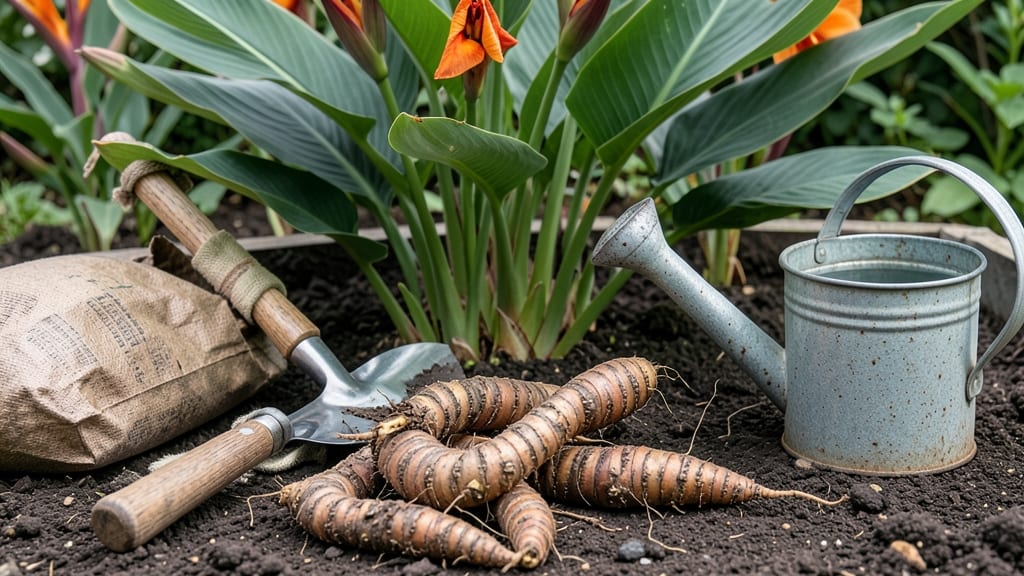
Timing your Canna 🌺 planting in Zone 7 can mean the difference between showstopping summer blooms and stunted growth. The key isn't just waiting for spring—it's tracking soil warmth, which triggers rapid root spread and helps your plants outpace late frosts.
Most gardeners in Zone 7 (7a-7b) rush to plant after the last frost, but that's often too early. Your Cannas won't thrive until soil reaches 60-65°F consistently—usually late May in most areas. This simple rule prevents frost damage and sets your plants up for fast establishment.
What you'll discover here is how to read your local microclimate, test soil temperature, and adjust planting dates for your specific corner of Zone 7. We'll also cover post-planting care that keeps your Cannas flourishing once they're in the ground.
Ready to transform your garden with bold, tropical-looking blooms? Let's dive into the exact timing and techniques that will give you healthier, more vibrant Cannas this season.
Zone 7 soil temperature rules for planting Cannas
Cannas love warmth—soil temperatures below 60°F (15°C) slow their growth, while consistent warmth above 65°F (18°C) triggers rapid root expansion. In Zone 7, this means waiting for spring's soil to heat up naturally, rather than relying on calendar dates.
Cold soil stunts rhizomes, leaving you with leggy, weak plants that struggle to bloom.
Most Zone 7 gardeners can expect soil to warm to 60°F between mid-April and early May, but this varies by microclimate. Urban areas warm faster than rural spots, and south-facing beds heat up earlier than north-facing ones.
Testing your soil temperature is the only way to get precise timing for your specific garden.
Here’s how I test soil warmth: Use a soil thermometer (or a meat thermometer) inserted 2-3 inches deep in the planting area. Check temperatures at mid-morning when soil is warmest. If it’s consistently 60°F or above for 24+ hours, your cannas are ready to go in the ground.
Pro tip: Black plastic mulch can raise soil temperatures by 5-10°F, letting you plant cannas 2-3 weeks earlier in cooler microclimates. Just lay it down 1-2 weeks before planting to pre-warm the soil.
🌱 Canna Planting Readiness Check
| Condition | Zone 7 Target | Your Action |
|---|---|---|
| Soil Temperature | 60-65°F (15-18°C) | Test with thermometer |
| Frost Risk | None (after last frost) | Check local frost date |
| Day Length | 12+ hours daylight | Plant in May-June for best blooms |
| Rhizome Condition | Firm, plump, eyes visible | Soak overnight if dry |
💡 Why it matters: Planting too early in cold soil causes rhizomes to rot; waiting too long delays blooms.
If your soil hasn’t warmed by mid-May, consider starting cannas in containers with bottom heat mats. This gives you a 4-6 week head start on garden-planted cannas. Just move pots outdoors after your last frost date when nights stay above 50°F.
Northern Zone 7 areas (like Roanoke, VA) often see later soil warming than southern areas (like Atlanta, GA). For example, Atlanta’s soil hits 60°F by early April, while Roanoke may not reach it until mid-May. Use your local Cooperative Extension Service frost/freeze maps to adjust timing.
Once soil is ready, plant rhizomes 2-4 inches deep and 12-18 inches apart. Deeper planting in cooler microclimates helps protect tender roots. Water immediately after planting to eliminate air pockets around the rhizomes—this ensures instant root contact with warm soil.
Watch for new shoots emerging in 7-14 days. If they appear but then wilt, your soil may have cooled again. In this case, add 2-3 inches of mulch (straw or shredded leaves) to insulate roots and retain warmth.
Remember: Cannas are tropical plants that thrive when soil stays warm. The sooner you can get them into heated soil, the faster they’ll grow and the more vibrant blooms you’ll enjoy all summer long. 🌺
Zone 7 soil temperature rules for planting Cannas
Most gardeners in Zone 7 make the mistake of planting Cannas as soon as the last frost passes. But soil temperature is the real game-changer—your Canna rhizomes won’t wake up until the ground hits 60-65°F (15-18°C) consistently for 24+ hours. This typically happens in late May, not April.
Why? Cold soil slows root growth, leaving your plants vulnerable to late frosts. Testing soil warmth with a soil thermometer (or even your finger—if it feels warm to the touch at 2-3 inches deep, it’s ready) ensures your Cannas establish roots quickly.
Pro tip: Darker soils warm faster than sandy ones, so adjust your timing accordingly.
Here’s how your Zone 7 microclimate affects timing:
| Factor | Zone 7 Rule | Action |
|---|---|---|
| Soil Temperature | 60-65°F (15-18°C) | Wait for 24+ hours of consistency |
| Last Frost Date | April 15 (avg.) | Plant 4-6 weeks after last frost |
| Northern Zone 7 (e.g., Roanoke) | Late May | Wait until after May 15 for safety |
| Southern Zone 7 (e.g., Atlanta) | Early May | Can plant as early as May 1 |
| Soil Type | Clay vs. Sandy | Clay warms slower; delay by 1 week |
If you’re unsure about your local soil temperature trends, check your USDA Plant Hardiness Zone Map for specific Zone 7a vs. 7b differences. Zone 7a (colder) may need to wait until mid-May, while Zone 7b (warmer) can start in early May.
Always plant rhizomes 2-4 inches deep—deeper in sandy soil, shallower in clay.
Once your soil hits the sweet spot, your Cannas will shoot up in 2-3 weeks, rewarding you with bold foliage and vibrant blooms by summer. The key is patience—rushing leads to weak roots and frost damage, while waiting ensures fast, robust growth.
🌱