
Plants
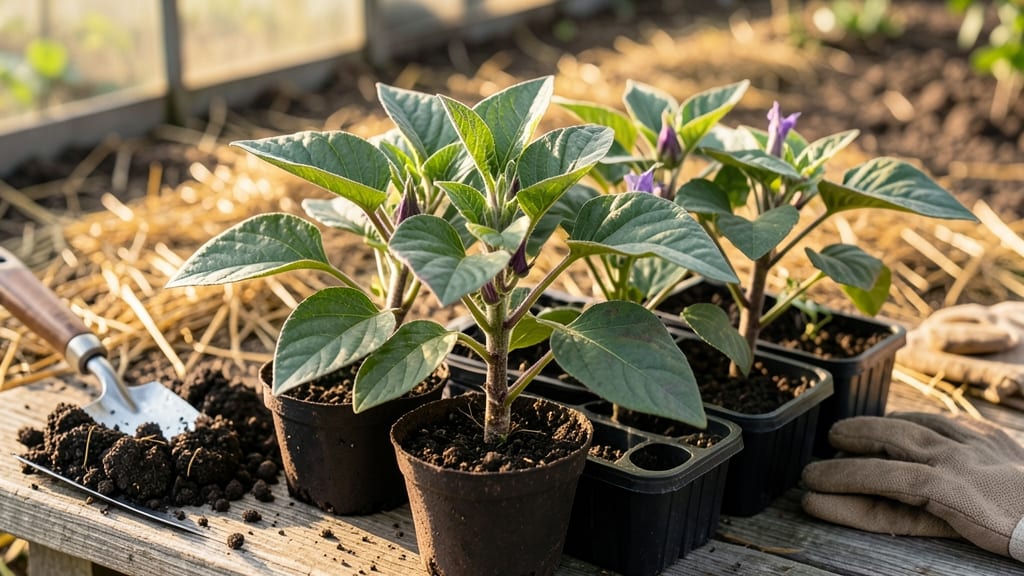
Knowing when to plant eggplant in Zone 7 is the key to avoiding those sad, stunted 🍆 plants that never quite reach their potential. Unlike hardy greens, eggplants are heat-lovers that bolt at the first hint of frost—so timing isn’t just important, it’s everything.
Here in Zone 7 (where last frost typically lingers until mid-March and first frost arrives by November), you’ve got a narrow window to get those seedlings in the ground. The secret? Wait until soil temperatures hit a steady 70°F—that’s usually late April to early June, depending on your microclimate.
But here’s the catch: rushing too early can leave your plants struggling, while waiting too long might cut your harvest short. I’ll walk you through the exact steps to time your planting perfectly, from indoor starts to outdoor transplants, so you can enjoy plump, glossy eggplants from July through October.
Ready to master the art of eggplant timing? Let’s dive into the soil-temperature secrets that’ll transform your garden this summer.
Ideal planting timeline for eggplant in Zone 7 based on soil temperature
Eggplants are heat-loving plants that refuse to thrive in cool soil. In Zone 7, your planting window hinges on two critical factors: soil temperature (must reach 60-70°F) and frost risk.
Unlike cooler crops, eggplants won’t tolerate chilly nights or damp soil—planting too early guarantees stunted growth or death. Let’s break down the exact timeline and tools to nail it.
Most of Zone 7 experiences its last frost date between March 15 and April 15, but frost isn’t the only threat. Eggplants need soil that’s consistently warm, which typically happens 4-6 weeks after last frost.
For example, in Atlanta (Zone 7a), soil reaches 70°F around late April to early May, while coastal areas like Savannah (Zone 7b) may hit that mark by mid-April.
Here’s the golden rule: Wait until your soil thermometer reads 70°F (21°C) for 5+ days in a row. This ensures roots grow quickly and uniformly. Skipping this step means slow starts, weak plants, and fewer fruits.
I’ve seen gardeners rush planting in April only to watch their eggplants bolt or rot—don’t let that be you!
| Stage | Action | Zone 7 Timing | Soil Temp |
|---|---|---|---|
| Start Seeds Indoors | 8-10 weeks before last frost | Late February to early March | N/A (use heat mat) |
| Transplant Seedlings | After last frost, soil 70°F+ | Late April to early June | 70-75°F (21-24°C) |
| Direct Sow Outdoors | Only if soil is 70°F+ (risky) | Mid-May to early June | 70-80°F (21-27°C) |
| First Harvest Window | 70-90 days after transplant | Late July to early September | 75-85°F (24-29°C) |
| End of Season | Harvest before first frost | October (before Nov 15) | Below 60°F (15°C) |
If you’re direct sowing (planting seeds straight into the ground), do it only after May 15 in most of Zone 7—earlier seeds will rot. I recommend transplanting seedlings instead for better control.
Start seeds indoors in February under grow lights or a heat mat (eggplants germinate best at 80-90°F soil). Harden off seedlings for 7-10 days before moving them outside to avoid shock.
Pro tip: Use black plastic mulch or straw mulch to warm soil faster and retain moisture. In my garden, this shaves 1-2 weeks off the waiting game for warm soil. Just lay it down 2 weeks before transplanting to let it heat up.
Pair this with a soil thermometer (only $10 on Amazon) to avoid guesswork—trust me, your eggplants will thank you!
Zone 7’s short growing season means you’ll need to act fast. Once soil cools below 60°F in October, growth slows dramatically. Plan to harvest by late September to avoid bitter, seedy fruits.
If you’re in Zone 7a (colder end), focus on fast-maturing varieties like ‘Black Beauty’ (65 days) or ‘Ichiban’ (60 days)—they’ll give you a head start before fall chill sets in.
One last trick: If your summer stretches into September, consider a second planting of quick-maturing varieties in mid-July. The extra heat can push a second harvest before frost. Just monitor soil temps closely—8
Ideal planting timeline for eggplant in Zone 7 based on soil temperature
In Zone 7, eggplants need warm soil and frost-free conditions to thrive. The ideal planting window depends on your last frost date and soil temperature—typically between late April and early June.
Coastal areas may plant slightly earlier, while inland regions should wait until after May 15 to avoid cold snaps.
Eggplants grow best when soil temperatures reach 60-70°F (15-21°C). Use a soil thermometer to check—planting too early in cool soil leads to stunted growth or rot. In Zone 7, this usually aligns with mid-May for most areas, but verify your local frost dates for precision.
Here’s a quick reference for Zone 7 eggplant planting based on soil warmth and frost risk:
| Stage | Action | Notes |
|---|---|---|
| Soil Prep | Amend soil with compost | Improve drainage and fertility |
| Start Indoors | 8-10 weeks before last frost | Use grow lights if needed |
| Transplant Outdoors | After soil hits 60°F+ | Hardening off for 7-10 days |
| Direct Sow | Early June (soil 70°F+) | Slower germination than transplants |
| Harvest Window | July–October | Pick before first frost |
For Zone 7a (colder microclimates), wait until late May to transplant, while Zone 7b (warmer) can start as early as mid-April indoors.
Coastal areas like Charleston, SC, may plant 2-3 weeks earlier due to milder nights, but inland cities like Raleigh, NC, should hold off until after May 15 to avoid late frosts.
Pro tip: Use black plastic mulch to warm soil faster and extend the season. This raises soil temps by 5-10°F, letting you plant 2 weeks earlier without risk. Just remove it before harvest to avoid soil contamination.
Monitor local weather forecasts in late spring—even a single 32°F night can damage young eggplants. If frost threatens after planting, cover seedlings with frost cloth or a row tunnel until temperatures stabilize.