
Plants
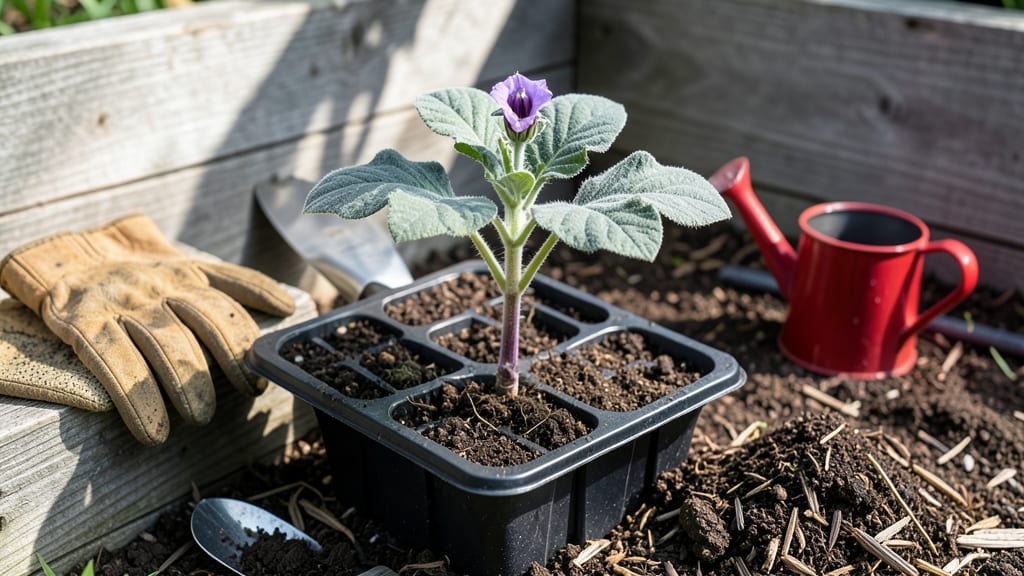
Timing your eggplant planting in Georgia isn't just about the calendar—it's about catching that sweet spot between 70°F soil and the last frost, or risk watching your 🍆 plants wilt before they even take root.
The Peach State's unique climate means what works in North Georgia's cooler hills might fail in South Georgia's steamy lowlands, and getting it wrong can mean a harvest of frustration instead of flavor.
If you've ever stared at seed packets wondering, "Why does it say 'after last frost' but my neighbor planted in May and got a better yield?"—you're asking the right question.
The answer lies in understanding Georgia's USDA zones 7a-8b, where even a week's difference can mean the difference between thriving plants and stunted growth.
I'll break down exactly when to plant for your specific region, so you can avoid common mistakes like planting too early when nighttime temps still dip below 55°F.
What you're about to discover isn't just about dates—it's about working with Georgia's heat to your advantage. We'll cover how to time your transplants for maximum growth, which varieties handle our humidity best, and even how to extend your harvest window when summer stretches into October.
Whether you're a first-time gardener or a seasoned green thumb, these insights will help you grow eggplants that rival the ones at your favorite farmers' market.
The key to success? Starting strong and staying consistent—because in Georgia, where summers can feel like they last forever, your eggplant's first 60 days of growth are make-or-break.
Let's get those plants in the ground at the perfect moment so you can enjoy a bounty of glossy, homegrown 🍆 all season long.
Best eggplant planting months in Georgia by region (exact dates for success)
Georgia’s diverse climate means eggplant planting windows vary dramatically from North Georgia’s cooler mountains to South Georgia’s extended heat. The key is aligning your planting with soil temperatures and frost-free dates—both of which shift by region.
For most of Georgia, April through early June offers the perfect balance of warmth and growing season length.
Eggplants are heat-loving annuals that need soil temperatures above 70°F (21°C) to thrive. In Zone 7a (North Georgia), this typically means waiting until mid-April to early May, while Zone 8a/8b (Central/South Georgia) gardeners can plant as early as late March to mid-April in protected beds.
Always check your local USDA frost dates—Georgia’s last frost averages March 15 in the north and February 15 in the south.
Timing is everything because eggplants have a 75-90 day maturity window. Plant too late, and you’ll miss your harvest before first frost (November 15). My rule? Aim for a July 1 harvest in North Georgia and June 15 in South Georgia to maximize your growing season.
| Region | USDA Zone | Planting Window | Soil Temp Requirement | Harvest Window |
|---|---|---|---|---|
| North Georgia | 7a | Mid-April to early May | 70°F+ (after last frost) | July to early September |
| Central Georgia | 8a | Late March to mid-April | 70°F+ (black plastic mulch helps) | June to October |
| South Georgia | 8b | Late February to early April | 70°F+ (earlier with row covers) | May to November |
🌡️ Pro Tip: Use a soil thermometer to confirm readiness—eggplants won’t germinate below 60°F!
For North Georgia gardeners, I recommend starting transplants indoors in late February and moving them out after May 1 when nighttime temperatures stay above 55°F (13°C).
In Central Georgia, you can direct-sow seeds in early April if you use black plastic mulch to warm the soil faster. South Georgia is the most forgiving—you can even get a fall crop by planting in August for a September harvest.
One mistake I see often? Planting eggplants too early in cool spring soil. The seeds may rot, or seedlings will struggle. Always wait until the soil temperature consistently stays above 70°F—even if air temperatures feel warm.
A simple trick? Lay down black plastic mulch 1-2 weeks before planting to accelerate soil warming.
Georgia’s humidity and heat can also stress eggplants if planted too late. If you’re in Zone 8b (South Georgia), aim to finish planting by June 15 to avoid late-summer heat stress, which can cause blossom drop or sunscald.
My personal record? A September harvest in Valdosta using shade cloth during peak afternoons.
Don’t forget about microclimates! A south-facing bed near a brick wall will warm up faster than an open north-facing area. If you’re in the Atlanta metro area, urban heat islands can push your planting window 1-2 weeks earlier than rural areas.
Always scout your garden’s specific conditions before committing to a planting date.
For container growing, adjust your timeline slightly. Potted eggplants warm up faster but dry out quicker. In North Georgia, I plant container eggplants 2 weeks later than in-ground plants to account for slower soil warming in pots.
Use heat-loving varieties like ‘Ichiban’ or ‘Rosa Bianca’ for containers—they handle Georgia’s heat better than standard types.
Finally, track your local weather patterns. Georgia’s climate is unpredictable—one year might bring an early frost, while another could extend the season. I keep a planting journal to note when my eggplants thrive (or fail) each year. Over time, you’ll refine your perfect planting window for your specific microclimate.
How to choose eggplant varieties that thrive in Georgia’s heat and humidity
Georgia’s sweltering summers and high humidity can turn eggplant gardening into a challenge if you pick the wrong variety. The key to success lies in selecting heat-tolerant, disease-resistant types that can handle our 90°F+ temperatures and muggy afternoons without wilting or developing fungal issues.
I’ve grown eggplants in Georgia for years, and these top-performing varieties consistently deliver the best results in my garden.
For North Georgia’s cooler microclimates (USDA zones 7a-7b), I recommend starting with ‘Black Beauty’—the classic variety that matures in 75-85 days and handles our early-season heat well.
Its deep purple skin resists sunscald better than many others, and it produces 1-2 lb fruits that stay firm even in high humidity.
If you’re in Central or South Georgia (zones 7b-8b), switch to ‘Ichiban’—a Japanese heirloom that thrives in extreme heat and produces glossy, elongated fruits in just 60-70 days.
✅ Best Varieties for Georgia
- 🍆 ‘Black Beauty’ – Classic, disease-resistant, 75-85 days to harvest
- 🍆 ‘Ichiban’ – Heat-tolerant, 60-70 days, Japanese heirloom
- 🍆 ‘Rosa Bianca’ – White-skinned, 65-75 days, sunscald-resistant
- 🍆 ‘Little Wonder’ – Compact, 55-65 days, great for containers
❌ Varieties to Avoid
- 🚫 ‘Early Long Black’ – Struggles in high humidity
- 🚫 ‘Florence’ – Needs cooler temps to thrive
- 🚫 ‘Ichiban’ (if planted too late) – Bolts in 90°F+ heat
One variety that’s become a game-changer in my garden is ‘Rosa Bianca’, a white-skinned eggplant that’s less prone to sunscald than traditional purple types. Its 65-75 day maturity makes it perfect for Georgia’s short growing season, and the creamy flesh is a hit with my family.
For container gardening or small spaces, ‘Little Wonder’ is my go-to—it matures in just 55-65 days and stays compact at 18-24 inches tall, making it ideal for balconies or patios.
When selecting seeds, pay close attention to disease resistance labels. Look for varieties marked “resistant to Fusarium wilt” or “Verticillium wilt”, as these are common in Georgia’s humid climate.
I also avoid any variety labeled “sensitive to heat stress”, as those will struggle in our July-August heatwaves. If you’re unsure, stick with ‘Ichiban’ or ‘Black Beauty’—they’re the most reliable choices for 90% of Georgia gardens.
For late-season planting (after June 15), consider ‘Thai Long’ eggplants, which handle extended heat better than most. Their long, slender fruits (up to 12 inches) are perfect for stir-fries, and they mature in 70-80 days.
Just be prepared to harvest aggressively once they start setting fruit, as these plants bolt quickly in Georgia’s short fall window.
Remember, the earlier you plant, the more time your eggplants have to establish roots and build heat tolerance. If you’re in North Georgia, aim to transplant ‘Black Beauty’ by April 15—this gives them 120+ days to mature before frost.
In South Georgia, you can push it to May 1 and still get a full harvest before temperatures drop. The right variety paired with the right timing is the secret to eggplant success in the Peach State.