
Plants
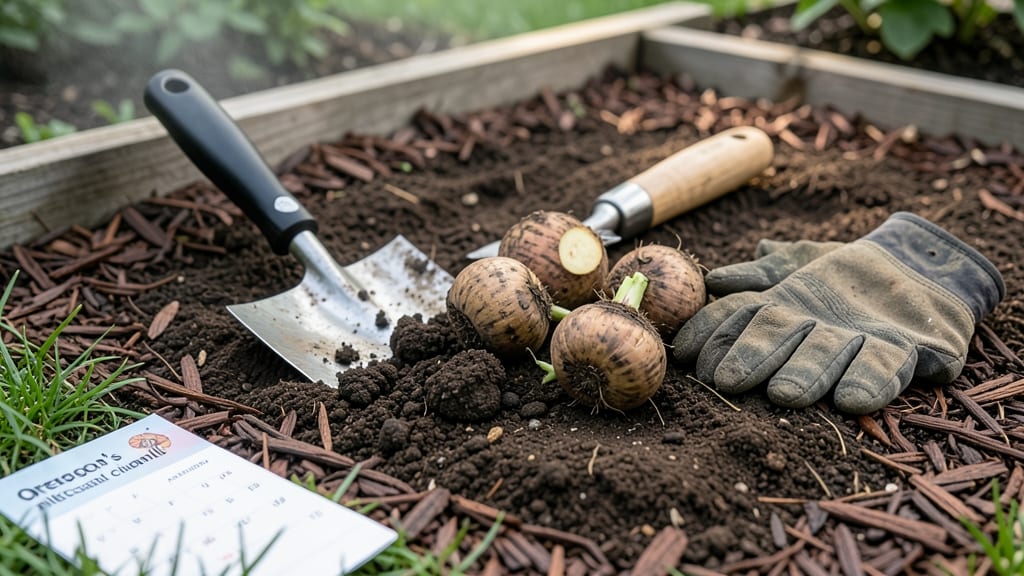
Timing your dahlia bulb planting in Oregon isn't just about the calendar—it's about catching that sweet spot between frost risk and warm soil. Get it wrong, and you might miss the vibrant blooms you're dreaming of, or worse, lose your tubers to a late freeze.
Here in the Pacific Northwest, where USDA Zones 8-9 meet unpredictable spring weather, the ideal window opens when soil hits 60°F—usually mid-April to early May. But coastal areas and inland valleys can differ by weeks, so knowing your microclimate makes all the difference.
I'll walk you through how to read your local frost dates, prep your soil, and give your dahlias the head start they need. Whether you're a first-time grower or a seasoned gardener, these tips will help you avoid common pitfalls and set your 🌸 dahlias up for a showstopping season.
Ready to turn your garden into a dahlia paradise? Let's dive into the exact steps that'll have your plants thriving from the get-go—no guesswork required.
Best planting timeline for Oregon dahlias based on soil temperature
Timing your dahlia bulbs perfectly in Oregon means waiting for soil temperatures to hit 60°F and frost risk to disappear. Most of Oregon falls under USDA Zones 7b-9a, where the average last frost date lands between April 15 (inland) and May 1 (coastal areas).
However, microclimates like Portland’s urban heat islands or the Willamette Valley can push this window earlier.
For reliable blooms, aim to plant between mid-April and early May. Coastal regions like Astoria or Brookings may need to wait until late May due to cooler temperatures. Always check your local Almanac frost dates—they’re your best guide.
Soil temperature matters more than air temperature. Use a soil thermometer to confirm 60°F+ readings at a 4-inch depth. Cold soil slows root growth, leaving dahlias vulnerable to rot or frost damage. If your soil is still chilly, consider container planting for earlier starts.
Here’s how Oregon’s microclimates affect planting:
| Region | USDA Zone | Last Frost Date | Ideal Planting Window | Soil Temp Goal |
|---|---|---|---|---|
| Portland Metro | Zone 8a | April 15–20 | Mid-April to early May | 60°F+ |
| Willamette Valley | Zone 8b | April 10–15 | Late March–April | 60°F+ |
| Coastal (Astoria, Brookings) | Zone 8b–9a | May 1–10 | Late May | 60°F+ |
| High Desert (Bend, La Pine) | Zone 7b | May 1–15 | Early May | 65°F+ |
If you’re eager to start earlier, chitting bulbs indoors (placing them near a sunny window to sprout) can give you a 2–3 week head start. Just be ready to harden them off before transplanting.
For container gardening, you can plant as early as March in protected spots like greenhouses or on patios.
Once your soil is warm and frost-free, plant tubers 4–6 inches deep, spacing them 12–18 inches apart. Use well-draining soil mixed with compost to encourage strong root growth. Mulch with straw or shredded leaves to retain moisture and regulate soil temperature.
After planting, water deeply but avoid soggy soil. Dahlias need consistent moisture, especially during bud formation. In Oregon’s dry summers, aim for 1–2 gallons of water per plant every 2–3 days.
Adjust based on rainfall—coastal areas may need less, while inland spots like Bend or Pendleton will require more frequent watering.
For extended blooming, deadhead spent flowers regularly and fertilize with a balanced 5-10-10 mix every 4–6 weeks starting in early June. Stop fertilizing by mid-August to prepare bulbs for dormancy.
In Oregon’s mild winters, you can leave tubers in the ground if protected by mulch, but dig and store them in dry sand if winters are harsh.
Remember: Patience pays off. Dahlias planted at the right time in Oregon reward you with vibrant blooms from July through October, making your garden a standout in the Pacific Northwest. 🌸
How to prepare dahlia bulbs for Oregon’s unpredictable spring weather
Oregon’s spring weather can swing from freezing nights to unexpectedly warm days, making it tricky to prepare dahlia bulbs for planting. The key is hardening them gradually to avoid shock when they hit your garden soil.
I’ve found that starting 6-8 weeks before your target planting date gives bulbs the best chance to adapt.
First, inspect your dahlia tubers for any soft spots or signs of rot. Healthy tubers should feel firm and have multiple eye buds (those little bumps where stems will sprout).
If you’re storing them in a cool, dark place over winter, now’s the time to bring them into a cooler but bright spot (around 50-55°F) to kickstart growth.
Here’s where things get interesting: chitting your bulbs can give you a 2-3 week head start on growth. Place them in a tray with the eyes facing up, barely covered with soil or perlite.
Keep them in indirect light (like a sunny windowsill) and mist lightly every few days. Within a few weeks, you’ll see sprouts popping through—this means they’re ready to harden off.
🌱 Step-by-Step Hardening Process
- Week 1-2: Move trays outside during the day (protected from wind/rain) and bring them in at night. Start with just a few hours of sunlight.
- Week 3-4: Gradually increase outdoor time to full daylight, but still shelter them overnight if temps drop below 40°F.
- Week 5-6: Let them stay out 24/7 if nighttime temps are consistently above 45°F. This mimics real garden conditions.
- Final Check: Before planting, ensure sprouts are 2-3 inches tall and stems are sturdy—this means they’re ready for Oregon’s soil.
For gardeners in cooler microclimates (like the coast or higher elevations), consider giving your dahlias a container head start. Fill pots with well-draining mix, plant tubers 4-6 inches deep, and keep them in a sheltered spot until after the last frost.
This buys you critical growing time before transplanting.
One pro tip I swear by: Mulch heavily after planting to protect roots from temperature swings. A 2-3 inch layer of straw or shredded leaves acts like a natural insulator, keeping soil temps stable. Just
Don’t forget to test your soil temperature before planting—it should consistently stay above 60°F for at least a week. Use a soil thermometer (they’re cheap and game-changing!), or press your finger into the soil: if it’s warm to the touch, your dahlias are ready for their permanent home.