
Plants
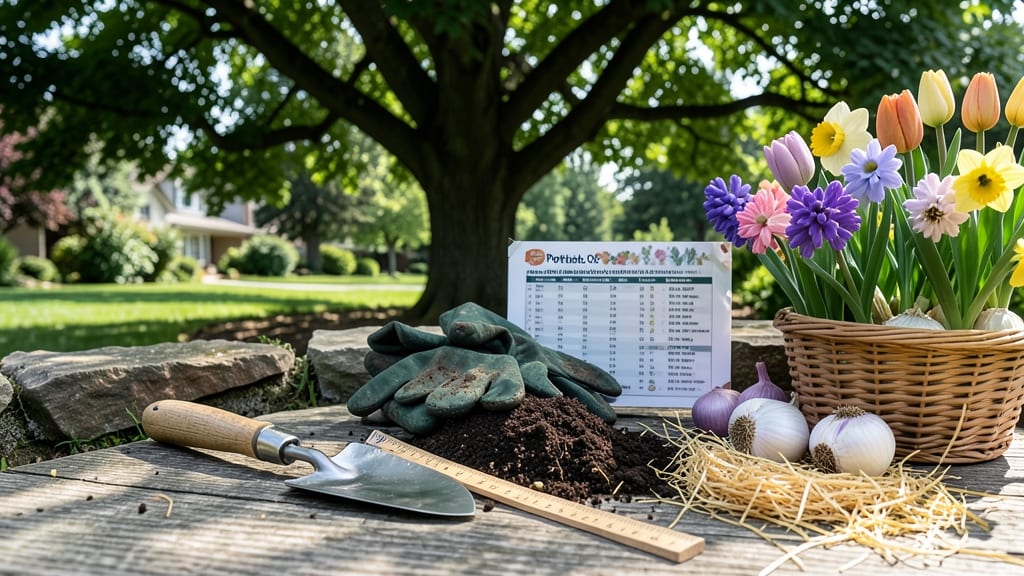
Planting spring-flowering bulbs 🌷 in Portland, Oregon, isn’t just about timing—it’s about outsmarting the city’s famously fickle weather. Too early, and a late frost could wipe out your blooms; too late, and your bulbs won’t root before winter sets in.
The secret to zero-frost success lies in a 6-8 week window before the ground freezes, which in Portland’s USDA Zone 8a means starting as early as September.
Why does this matter? Because Portland’s mild winters and wet springs create a unique challenge for gardeners. Unlike drier climates, our soil stays damp longer, which can lead to rot if bulbs aren’t planted at the right depth or in well-draining soil.
But when you get it right—with the perfect balance of timing, soil prep, and microclimate awareness—you’ll be rewarded with vibrant blooms from April to June that brighten up even the grayest Portland days.
I’ve tested the best strategies over the years, from naturalizing bulbs in my backyard to container gardening on my balcony. What I’m about to share will help you avoid common mistakes, like planting too shallow or ignoring your neighborhood’s microclimate.
Whether you’re a first-time gardener or a seasoned pro, these insights will give you the confidence to plant with precision—and watch your garden come alive next spring.
Ready to transform your yard into a burst of color? Let’s dive into the exact months to plant, the best bulb varieties for Portland, and the pro tips that will make your bulbs thrive—no matter what the weather throws your way.
Portland’s ideal bulb planting months by type (fall & spring)
Portland’s USDA Zone 8a-8b climate gives you a 6-8 week window for planting most bulbs, but timing matters. Spring-blooming bulbs like tulips and daffodils need cool fall soil to root before winter, while fall-planted varieties like crocuses thrive with early exposure.
Let’s break down the exact months and bulb types for zero-frost success.
For spring-flowering bulbs, aim to plant between mid-September and mid-November. This window ensures bulbs establish roots 6-8 weeks before ground freeze (typically mid-November in Portland). Early plantings (August-September) give bulbs a head start, while late plantings (December) risk shallow roots and frost damage.
Portland’s rainy winters mean bulbs need well-draining soil to avoid rot. Amend clay soil with compost or sand before planting. Dwarf varieties (like crocuses) can handle partial shade, while taller bulbs (tulips, alliums) need full sun for robust blooms.
Here’s your Portland bulb planting timeline by type, including ideal months, depth, and spacing for maximum blooms:
| Bulb Type | Planting Window | Depth | Spacing | Sun Needs | Notes |
|---|---|---|---|---|---|
| Tulips | Sep–Nov | 6–8" | 4–6" | Full sun | Plant early for best blooms |
| Daffodils | Aug–Oct | 6–8" | 6–8" | Partial shade | Slug-resistant; naturalize easily |
| Crocuses | Sep–Oct | 3–4" | 3–4" | Full sun–partial shade | Early bloomers; great for lawns |
| Hyacinths | Sep–Nov | 6–8" | 4–6" | Full sun | Fragrant; plant in clusters |
| Alliums | Sep–Oct | 6–8" | 6–8" | Full sun | Drought-tolerant; dramatic blooms |
For container gardening, plant bulbs in well-draining pots with gravel or perlite at the bottom. Use a lightweight potting mix to prevent soggy roots. Containers warm up faster than garden beds, so plant container bulbs 2–4 weeks later than in-ground bulbs to avoid premature sprouting.
If you miss the fall window, some bulbs (like daffodils and crocuses) can tolerate late fall or early winter plantings (December–January). However, they may bloom later or produce fewer flowers. Tulips and hyacinths are less forgiving—plant them by mid-November at the latest.
Pro tip: Mark your bulb planting calendar with Portland’s average frost dates (first frost: November 15, last frost: March 15). Adjust for microclimates
How Portland’s microclimates affect bulb planting (urban vs. suburban)
Portland’s diverse neighborhoods create microclimates that can shift your bulb planting window by 2-4 weeks. Downtown’s urban heat island stays warmer longer, while the West Hills experience earlier frosts. Understanding these differences ensures your bulbs thrive—whether you’re in downtown’s concrete jungle or Gresham’s cooler elevations.
For example, downtown Portland (like the Pearl District) often sees its last frost around November 1st, giving you a slightly extended planting window. Meanwhile, areas like Hillsboro or the West Hills can experience frost as early as October 20th.
This means bulbs planted in downtown by mid-November might still root successfully, while those in the hills should be in the ground by mid-October.
🌿
| Microclimate | Last Frost Date | Ideal Planting Window | Risk Factor |
|---|---|---|---|
| Downtown (Pearl, Old Town) | November 1 | September 15 - November 15 | Low (urban warmth) |
| West Hills (Beaverton, Hillsboro) | October 20 | September 1 - October 20 | Medium (elevation frost) |
| East Portland (Gresham, Woodstock) | October 25 | September 1 - October 25 | High (rain + cold) |
| North Portland (St. Johns) | October 30 | September 1 - November 1 | Low-Medium (mixed) |
If you’re unsure about your neighborhood’s frost date, use the Portland Metro Weather frost prediction tool or check with local garden centers. They often track real-time soil temps, which is the true indicator for bulb planting—aim for 50-60°F soil temps for optimal root growth.
For high-risk areas (like the East Side), I recommend planting 2 weeks earlier than the average window. Use frost cloth or mulch with straw or leaves to insulate bulbs if late frosts are forecasted.
This extra layer can delay frost damage by 1-2 weeks, giving roots more time to establish.
🌱
Pro tip: Container gardeners in urban areas have an advantage—they can move pots to protected spots (like against a south-facing wall) to extend the growing season. For in-ground plantings, choose south-facing beds first, as they warm up faster in spring and provide earlier blooms.