
Plants
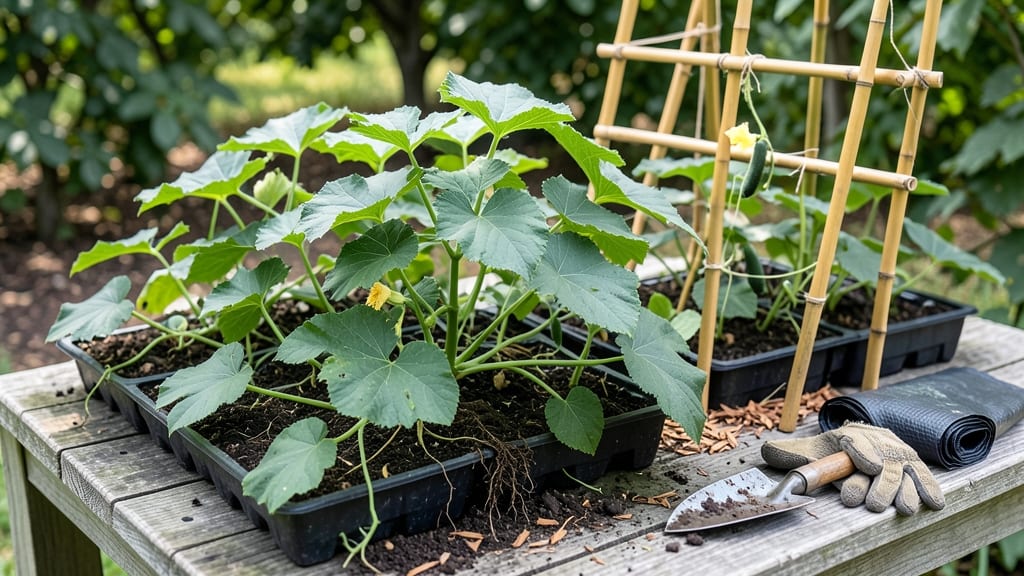
Timing your 🥒 cucumber planting in Zone 6 isn't just about waiting for spring—it's about catching that sweet spot between frost and summer heat. Plant too soon, and those tender seedlings will crisp up overnight. Too late, and you might miss the July-to-September harvest window entirely.
I've learned the hard way that soil temperature matters just as much as calendar dates. While your neighbors might be rushing to plant in early April, your cucumbers will thrive only when the ground warms to at least 60°F—usually 2-3 weeks after your last frost date.
That means late April to early May is your golden window, but there's more to it than just dates.
What if you want to extend your harvest? The secret lies in succession planting—staggering your plantings every 2 weeks through June keeps cucumbers rolling in until fall.
And don't overlook regional tweaks: Highland areas in Zone 6 often need to wait 1-2 weeks longer than lowland spots where heat arrives faster.
Ready to grow cucumbers that outperform store-bought? I'll walk you through exact planting schedules, soil prep tricks, and how to shield young plants from late frosts. Let's turn your Zone 6 garden into a cucumber powerhouse this season.
Exact weeks before last frost to plant cucumbers in Zone 6 for best results
Timing your cucumber planting in Zone 6 is all about balancing soil warmth and frost risk. Cucumbers thrive when soil temperatures reach at least 60°F, which typically happens 2-3 weeks after your last frost date.
In most of Zone 6, this means planting between late April and early May, but exact timing varies by microclimate.
For direct sowing (planting seeds directly in the ground), aim to plant cucumbers 1-2 weeks after your last frost date. If you're using transplants, you can start slightly earlier—about 10-14 days before your last frost—since young plants can handle cooler soil better than seeds.
Always check your local frost date averages to fine-tune your schedule.
Here’s the key: Cucumbers are heat-loving plants, and planting too early can stunt their growth or even kill them if a late frost hits. On the flip side, planting too late means you’ll miss out on the peak harvest window of July and August.
The goal is to have cucumbers flowering and fruiting during the warmest months of the year.
🌱
| Planting Method | Weeks Before Last Frost | Soil Temp Requirement | Zone 6 Planting Window |
|---|---|---|---|
| Direct Sowing | 1-2 weeks after | ≥60°F | Late April to early May |
| Transplants | 10-14 days before | ≥55°F | Mid-April to late April |
| Fall Planting (Late Varieties) | 8-10 weeks before first frost | ≥60°F | Late July to early August |
📅 Pro Tip: Use a soil thermometer to confirm soil temps before planting.
If you’re unsure about your exact last frost date, use the Almanac’s Frost Calculator or check with your local Cooperative Extension Service.
These resources provide hyper-local data that can shift your planting window by a week or more, especially if you live in a highland area (cooler) versus a lowland area (warmer).
For gardeners in Zone 6a (colder end of the spectrum), err on the side of planting 1-2 weeks later than the average date. In Zone 6b, you can push planting slightly earlier, especially if you use black plastic mulch to warm the soil faster.
This simple trick can add 2-3 weeks to your growing season by raising soil temps by 5-10°F.
Don’t forget about fall planting for late-season varieties! In Zone 6, you can often squeeze in a second harvest by planting heat-tolerant varieties like ‘Straight Eight’ or ‘Marketmore’ in late July.
These cucumbers will mature quickly and produce before the first frost in mid-October. Just be prepared to use row covers if temperatures dip unexpectedly.
To maximize your cucumber yield, pair your planting schedule with succession planting. By staggering plantings every 2 weeks through June, you’ll ensure a continuous harvest from July through September. This works especially well for bush varieties, which mature faster than vining types.
Finally, monitor your plants closely after germination. Cucumbers are sensitive to cold snaps, even after sprouting. If nighttime temps drop below 50°F, use frost blankets or row covers to protect young plants until they’re established.
With the right timing and a little extra care, you’ll be feasting on homegrown cucumbers all summer long!
☀️
Exact weeks before last frost to plant cucumbers in Zone 6 for best results
Cucumbers in Zone 6 thrive when planted after the last frost, but timing is critical. The soil temperature must reach at least 60°F for seeds to germinate properly.
In most Zone 6 regions, this means waiting until late April to early May, roughly 2-4 weeks after your average last frost date. Check your local frost calendar for precision.
For direct sowing, cucumbers should go into the ground 1-2 weeks after the last frost, once soil warmth stabilizes. If you prefer transplants, start seeds indoors 3-4 weeks before your target outdoor date. This gives seedlings a head start while avoiding cold-sensitive roots.
Here’s the key: Zone 6’s last frost typically falls around mid-April, but this varies by microclimate. Highland areas may experience frost 1-2 weeks later than lowland zones. Always monitor your local weather forecasts or use a frost-free date calculator for accuracy.
| Stage | Action | Notes |
|---|---|---|
| Soil Prep | Test soil pH (6.0-6.8 ideal) | Add compost for fertility |
| Direct Sowing | 1-2 weeks after last frost | Plant 1" deep, 12" apart |
| Transplanting | 3-4 weeks after last frost | Hardening-off seedlings first |
| Fall Option | Late July (fast-maturing varieties) | Use row covers for frost protection |
Don’t overlook soil warmth—cucumbers won’t germinate in cold soil. Use a soil thermometer to confirm temperatures. If your soil is still chilly, try black plastic mulch to accelerate warming. This trick can shave off critical 5-7 days before you can safely plant.
For fall harvests, opt for fast-maturing varieties like 'Straight Eight' or 'Bush Champion'. Plant these in late July, giving them 60-70 days to mature before the first frost. Use row covers to extend the season by 2-3 weeks if needed.
Pro tip: Mark your last frost date on your calendar and count backward. For Zone 6, aim to plant cucumbers 3-4 weeks after that date. This ensures your vines establish roots before summer heat arrives, setting you up for a bountiful harvest by July.