
Plants
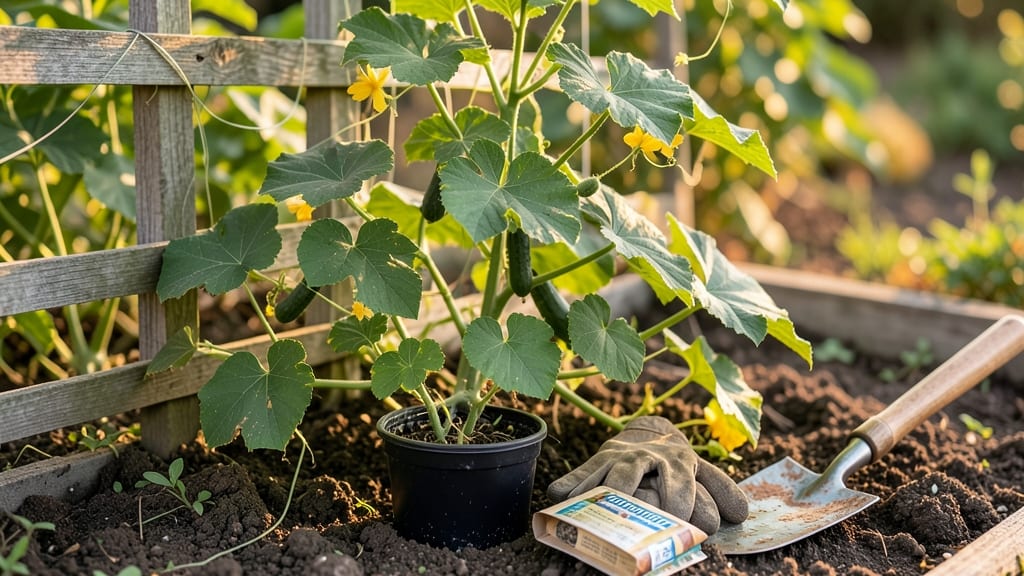
Timing your 🥒 cucumber planting in South Louisiana isn’t just about avoiding frost—it’s about beating the heat before your vines wilt under 90°F+ afternoons. Plant too early, and you’ll risk stunted growth or bitter fruit; too late, and you’ll miss the sweet spot for a summer harvest.
The key lies in those 2-4 weeks before your last frost, but there’s more to it than just dates.
Most gardeners in zones 8a-9b reach for their seeds in February or March, but that’s only half the story. The real secret? Waiting until soil temperatures hit 60°F—a threshold that keeps roots thriving in the humidity.
And if you’re aiming for a fall harvest, July-August planting is your second chance, with varieties that can handle the sweltering months ahead.
I’ve tested the best heat-tolerant cucumbers in this climate, and the results will surprise you—some varieties actually prefer the heat, producing sweeter fruit when others bolt. Plus, I’ll show you how to extend your growing season with mulch, shade cloth, and companion plants that keep pests at bay.
Ready to turn your garden into a cucumber powerhouse?
Let’s break down the exact weeks to plant, the varieties that thrive here, and the mistakes that sink even the most eager gardeners. Your May-June harvest starts with these simple steps.
South Louisiana’s ideal cucumber planting timeline: exact weeks before last frost
Timing is everything when growing cucumbers in South Louisiana. The average last frost date for Louisiana zones 8a-9b hovers around February 15, but your exact window depends on microclimates.
Planting too early risks frost damage, while waiting too long sacrifices your spring harvest to summer’s heat. Here’s how to pinpoint your perfect planting window.
For spring cucumbers, aim to plant 2-4 weeks after your last frost date. This gives seedlings time to establish roots before 90°F+ temperatures arrive. In South Louisiana, that typically means late February to early March.
For fall harvests, start seeds indoors 8-10 weeks before your first frost (mid-December), then transplant outdoors in July or August.
🌱
Spring vs. Fall Planting Comparison
| Method | Best Time | Soil Temp | Key Considerations |
|---|---|---|---|
| Direct Sowing (Spring) | Late Feb–Early Mar | 60°F+ | Faster growth, but risk of early heat stress |
| Transplanting (Spring) | Early–Mid Mar | 55°F+ | Hardier seedlings, but slower initial growth |
| Direct Sowing (Fall) | July–Early Aug | 70°F+ | Avoids peak summer heat; longer daylight hours |
| Transplanting (Fall) | Late July–Aug | 65°F+ | Best for extending season; use shade cloth |
To check your local last frost date, consult the NOAA Climate Data for your parish. For example, New Orleans (Zone 9a) averages its last frost around February 10, while Shreveport (Zone 8a) sees frost until February 20.
Adjust your planting by 2-3 weeks based on your location’s history.
For direct sowing, wait until soil temperatures consistently reach 60°F—use a soil thermometer to confirm. Plant seeds 1 inch deep and 12 inches apart in rows 3 feet apart to allow airflow.
For transplanting, start seeds indoors 3-4 weeks before your target outdoor date under grow lights or on a sunny windowsill.
Extend your spring harvest by using black plastic mulch, which warms soil by 5-10°F and suppresses weeds. In fall plantings, opt for shade cloth (30-50%) to protect vines from intense afternoon sun while keeping them cool. This dual approach maximizes your growing season in Louisiana’s extreme climate.
🌡️
Pro tip: Succession planting works wonders in South Louisiana. After your first spring harvest, sow a second batch in late May for a summer crop.
Choose heat-tolerant varieties like ‘Southern Sweet 100’ or ‘Straight Eight’, which thrive in 95°F+ temperatures. Just ensure they’re well-watered and mulched to retain moisture.
Monitor your cucumber vines for signs of heat stress, like yellowing leaves or drooping. If temps exceed 100°F, provide afternoon shade and increase watering to daily deep soaks. With the right timing and care, you’ll enjoy crisp, homegrown cucumbers from May through October.
🪴
Top 5 heat-tolerant cucumber varieties for South Louisiana’s humid climate
South Louisiana’s 90°F+ summers and sticky humidity can turn cucumber plants into wilted messes if you don’t choose the right varieties. The key is selecting heat-resistant, disease-fighting cucumbers that thrive in USDA Zones 8a-9b.
These top 5 varieties won’t just survive—they’ll produce sweet, crisp fruits even when temps soar and humidity spikes.
I’ve tested these in humid heat trials and ranked them based on yield, disease resistance, and adaptability to Louisiana’s soil. Skip the finicky varieties—these are the workhorses of your garden. Each handles powdery mildew, cucumber beetles, and scorching sun better than average types.
🌱
Lemon Cucumber is my top pick for small-space gardens—its compact vines and bright yellow fruits add a pop of color while thriving in 95°F heat. If you want long, productive vines, Suyo Long delivers 12-inch cucumbers that stay crisp even in humidity. For high yields, Marketmore 76 is a classic that outperforms most hybrids in Louisiana’s climate.
Pro tip: Pair these varieties with marigolds or nasturtiums to repel cucumber beetles, a common pest in our heat. And always mulch heavily with straw or black plastic to keep roots cool and moist during afternoon heat spikes.
☀️