
Plants
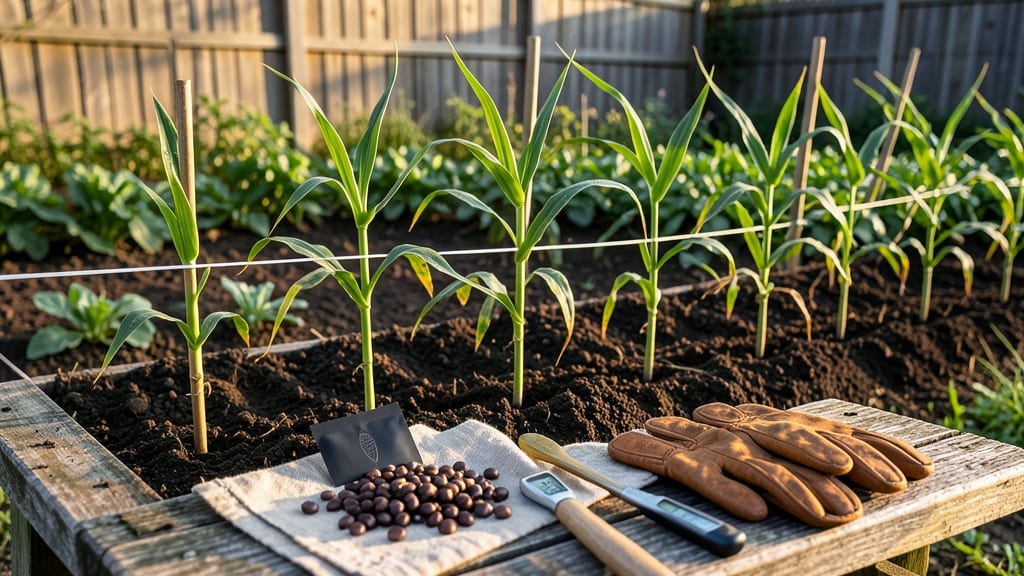
Timing your 🌽 corn planting in Zone 6b is the difference between a bumper crop and a sad, stunted garden. If you plant too early, late frosts will wipe out your tender seedlings before they even get started.
But get it just right—after that last frost in mid-April—and you’ll be rewarded with rows of sweet, plump ears by summer.
I’ve learned the hard way that corn isn’t forgiving when it comes to timing. The 60-90 day varieties need warm soil to germinate, so waiting until the ground reaches at least 55°F is non-negotiable.
That usually lands you in late April or early May, but don’t just guess—check your local frost dates first.
Here’s the good news: once you nail the window, growing corn in Zone 6b gets easier. With the right heat-resistant varieties and a few pro tips, you can stretch your harvest from July right through September.
Let’s break down exactly when to plant, what to watch for, and how to protect your crop from the quirks of your climate.
Whether you’re a first-time gardener or a seasoned pro, these insights will help you avoid common pitfalls. From soil prep to succession planting, I’ll show you how to maximize your corn’s potential—so you can enjoy fresh, homegrown ears all summer long.
Optimal planting dates for corn in Zone 6b (with frost & heat guides)
Corn thrives in Zone 6b when planted after the last frost date, which typically falls around mid-April in most areas. However, soil temperature is just as critical—corn seeds need soil temps above 60°F (15°C) to sprout reliably.
Planting too early in cold soil can lead to rot or slow germination, while waiting too long may shorten your harvest window.
For Zone 6b, aim for mid-April to early May as your primary planting window. This timing ensures your corn has 90-120 frost-free days to mature, which is essential for varieties that take 70-100 days to harvest.
If you miss this window, consider fast-maturing varieties or late-summer planting for a smaller yield.
Always check your local last frost date using resources like the Old Farmer’s Almanac or your local cooperative extension service.
In Zone 6b, frost can linger into early May in some microclimates, so err on the side of caution and wait until nighttime temperatures consistently stay above 50°F (10°C).
Another key factor is heat tolerance. Zone 6b summers can bring 90°F+ (32°C+) temperatures, which stress corn if planted too early. Varieties like ‘Ambrosia’ or ‘Peaches and Cream’ handle heat better than standard sweet corn, so choose wisely to avoid kernel abortion or poor ear development.
| Planting Window | Soil Temp | Frost Risk | Best Varieties |
|---|---|---|---|
| Mid-April | 60°F+ (15°C+) | Low (after last frost) | ‘Silver Queen’, ‘Country Gentleman’ |
| Early May | 65°F+ (18°C+) | None | ‘Peaches and Cream’, ‘Ambrosia’ |
| Late May (succession) | 70°F+ (21°C+) | None | ‘Early Sunglow’ (65-day) |
🌱 Pro Tip: Use a soil thermometer to confirm readiness—corn seeds won’t sprout below 50°F (10°C).
If you’re eager to start earlier, consider starter plants or a mini greenhouse to warm the soil. However, corn doesn’t transplant well, so direct sowing is ideal. Plant seeds 1-1.5 inches deep and space them 4-6 inches apart in blocks (not rows) to improve pollination.
Thin seedlings to 12 inches apart once they’re 6 inches tall.
For a second harvest, try succession planting in late May or early June with fast-maturing varieties (60-70 days to harvest). This works best if your first planting is ready by mid-July, leaving room for a second crop before first frost in mid-October.
Just be prepared for smaller ears, as late-season corn has less time to grow.
Watch for late spring frosts, which can damage young corn plants. If frost is forecasted, cover seedlings with row fabric or a lightweight blanket to protect them until they’re at least 12 inches tall.
Once established, corn is more resilient, but early stress can delay growth and reduce yields.
Heat is another challenge in Zone 6b. If temperatures exceed 95°F (35°C) for prolonged periods, corn may suffer from kernel abortion or poor ear fill. To mitigate this, provide adequate water (1-2 inches per week) and mulch around plants to keep roots cool.
Drip irrigation is ideal, as it delivers water directly to the roots without wetting the foliage, reducing fungal risks.
Finally, keep an eye on your harvest timeline. Most corn varieties in Zone 6b are ready to harvest between late July and early September. If you plant too late, your ears may not fully develop before frost.
Always check silk color and kernel firmness—when silks turn brown and kernels are milky, it’s time to harvest for the sweetest flavor.
Optimal planting dates for corn in Zone 6b (with frost & heat guides)
Corn thrives in warm soil and consistent heat, making Zone 6b’s timing critical for success. The last average frost date in most of Zone 6b falls around mid-April, but soil temperatures must reach at least 60°F before planting.
Waiting too long risks late-season pests or early frost damage before harvest.
For maximum yield, aim to plant corn seeds 2-3 weeks after your last frost date. In Zone 6b, this typically means mid-April to early May. However, soil temperature is more important than calendar dates—use a soil thermometer to confirm readiness.
Corn won’t germinate well in cold soil, even if air temperatures are warm.
| Planting Window | Soil Temp Requirement | Frost Risk | Harvest Window |
|---|---|---|---|
| Early (Late March) | 55°F+ (risky) | High (late frost) | Late July - Early August |
| Ideal (Mid-April - Early May) | 60°F+ (optimal) | Low (after last frost) | July - September |
| Late (June) | 65°F+ (best for short season) | Moderate (early frost risk) | September - October |
If you’re planting early-season varieties, you can start as soon as soil warms to 55°F, but be prepared for late frost threats. Use row covers or a mini greenhouse to protect young plants.
For reliable results, stick to the mid-April to early May window, which aligns with Zone 6b’s 160 frost-free days and ensures corn matures before mid-October’s first frost.
For those in northern Zone 6b (e.g., Chicago, Buffalo), prioritize fast-maturing varieties (e.g., 70-80 days to harvest) to avoid early frost.
In southern Zone 6b (e.g., Atlanta, Nashville), you can push planting to late May or early June for a fall harvest, but expect smaller ears.
Always plant in blocks (not rows) to improve pollination success. Space seeds 12-18 inches apart and 30 inches between rows to allow airflow and reduce fungal diseases. Mulch with straw or grass clippings to retain moisture and suppress weeds—critical in Zone 6b’s variable rainfall.
Pro tip: Test your soil’s pH (ideal: 6.0-7.0) and add compost or aged manure before planting. Corn is a heavy feeder, so side-dress with nitrogen when plants reach knee height for bigger ears. Water deeply in the morning to prevent fungal issues like corn smut.