
Plants
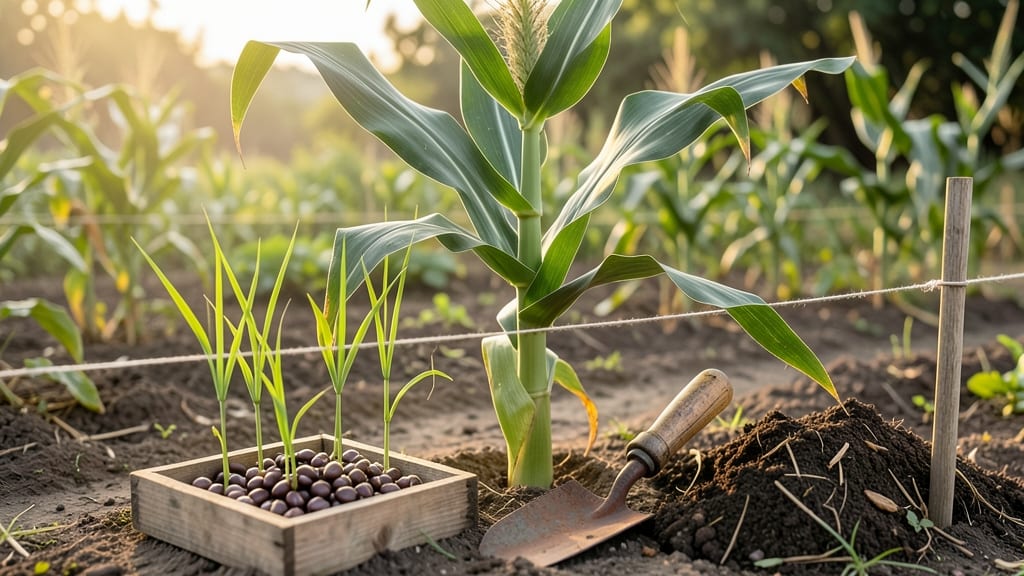
Planting corn in Portland, Oregon, isn't just about tossing seeds into the dirt—it's about catching that 3-week window between frost risks and summer heat. Miss it, and you might end up with stunted plants or no harvest at all.
The key? Timing your 🌽 seeds for soil that's warm enough to spark fast germination, usually between mid-April and late May.
With Portland's USDA Zone 8a climate, you've got a short but sweet growing season—just enough to coax sweet corn from seed to ear if you play your cards right.
I've tested what works (and what doesn't) here, and the difference between a bumper crop and a bust often comes down to when you put those seeds in the ground.
This guide cuts through the guesswork by breaking down Portland's frost-free timeline, soil temperature rules, and the best corn varieties for your short season. Whether you're a first-time gardener or a seasoned green thumb, these insights will help you grow corn that's ready to harvest by summer's end.
Ready to grow corn that's tall, sweet, and thriving? Let's dive into the exact steps to plant your seeds at the perfect moment—so you can enjoy fresh ears straight from your garden. The clock is ticking, and that window won't wait.
Portland’s frost-free timeline for planting corn (with soil temperature rules)
Portland’s USDA Zone 8a climate means corn thrives here—but only if planted at the perfect 3-week window. The average last frost date is April 15, but don’t rush! Corn needs soil temperatures above 60°F (15°C) to germinate reliably, which typically happens by mid-May in most years.
Rural areas warm faster than urban spots, so adjust your timing accordingly.
Historical data from Oregon State University shows Portland’s frost-free season spans about 165 days. For corn, this means planting between mid-April and late May gives you the best shot at a full harvest before fall frosts.
Early varieties (60–75 days to maturity) can stretch this window slightly, but most gardeners aim for late April to early May for peak success.
🌱 Did You Know? Portland’s microclimates can vary by 2–3 weeks! Urban areas stay cooler due to concrete, while rural spots near the Willamette Valley warm up faster. Use a soil thermometer ($10–$15) to confirm readiness—corn won’t sprout below 50°F, but growth stalls under 60°F.
If you’re planting in March, only do so in microclimates with warm soil (e.g., south-facing slopes or greenhouses). Most Portland gardeners skip March entirely to avoid frost damage to tender seedlings.
For late plantings after May 15, choose fast-maturing varieties (under 75 days) to avoid fall frosts cutting your season short.
Pro tip: Succession plant every 2 weeks in May to stagger harvests. This ensures you’re not overwhelmed with ears all at once and maximizes your 165-day frost-free window.
For example, plant one batch on May 1, another on May 15, and a final batch by June 1—each will mature in sequence.
Watch for Portland’s late-spring chills, which can stall germination. If nights dip below 50°F after planting, use row covers or black plastic mulch to retain heat. These tricks add 2–4°F of warmth, giving seedlings a fighting chance against unpredictable Pacific Northwest weather.
For urban gardeners, city heat islands can push soil temps up earlier. Test your spot with a thermometer—if it hits 60°F by early April, you might safely plant then.
Rural areas, however, often need to wait until mid-May for consistent warmth. Always err on the side of planting late rather than early, as corn won’t tolerate frost at any stage.
🌽 Key Takeaway: Aim for late April to early May when soil hits 60°F+ and frost risk drops below 10%. Use Oregon State’s frost maps (available online) to track real-time updates if Portland’s weather acts unusually early or late.
Portland’s frost-free timeline for planting corn (with soil temperature rules)
Portland’s USDA Zone 8a climate gives you a tight but workable window to grow corn—just 165 frost-free days from April to October. The magic happens between mid-April and late May, when soil temperatures finally hit that 60°F threshold corn craves for germination.
This isn’t just about dates, though; it’s about reading your soil and microclimate like a pro.
Urban Portland gardens (like mine in Southeast) often warm up faster than rural areas, thanks to the "heat island" effect from buildings and pavement. That means you might safely plant 1–2 weeks earlier than neighbors in the countryside.
Always test soil temperature with a soil thermometer—corn seeds won’t sprout reliably below 60°F, even if the air feels spring-like.
Here’s the exact timeline I follow, based on Oregon State University data and my own trials:
| Stage | Action | Notes |
|---|---|---|
| Late March | Prep soil | Add compost; avoid working wet soil |
| Mid-April | Test soil temp | Wait for 60°F+ consistently |
| April 15–May 15 | Plant seeds | 1–2 inches deep, 4–6 inches apart |
| May–June | Thin seedlings | Keep 12 inches between plants |
| July–September | Harvest | Silks brown + kernels milky |
Pro tip: If you’re in a cooler microclimate (like the West Hills), push planting to late May. For urban heat pockets, you can start as early as early April—just cover seedlings with row fabric if frost threatens.
I’ve had success with both strategies, but the soil thermometer is your best friend here.
Watch for late frosts in April—they’re the #1 killer of young corn. If temperatures dip below 32°F after planting, protect your seedlings with floating row covers or a makeshift cloche. The goal? Get those seeds sprouting before the first true leaves unfurl, so they’re big enough to handle a chill.
Remember: Portland’s weather is unpredictable. Even if the calendar says "May," a cold snap can set you back. That’s why I always plant two batches—one in mid-April (with covers) and another in early May—for a staggered harvest. Sweet corn doesn’t store well, so variety is key!