
Plants
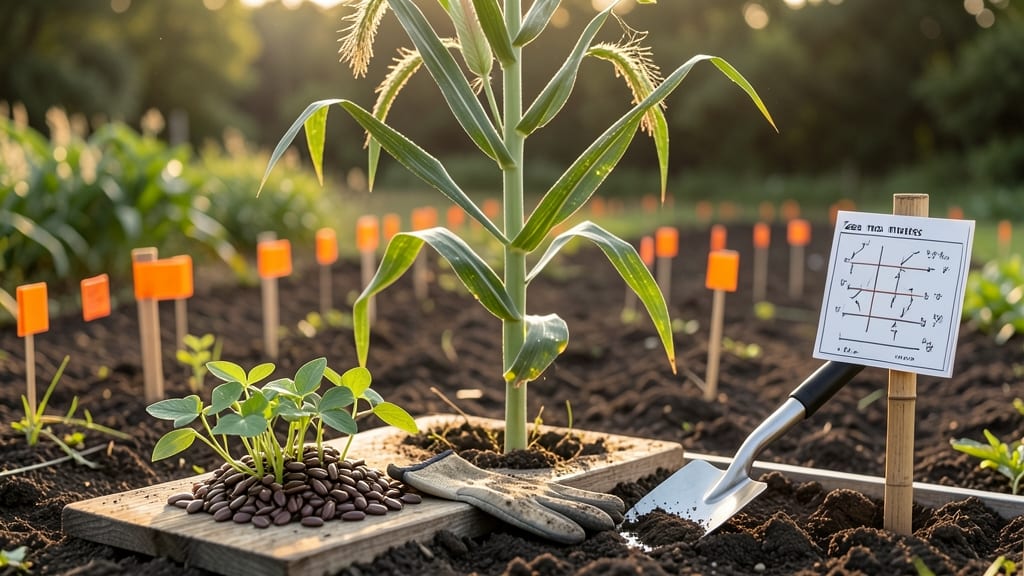
Timing your 🌽 corn planting in Nebraska wrong can mean the difference between a bountiful harvest and wasted effort—especially when spring weather throws curveballs.
With USDA Zones 5a-6b, you’ve got a narrow window to get seeds in the ground after the last frost, typically between mid-April and early May, but one late freeze can set your crop back weeks.
I’ve seen firsthand how a 5-day delay in planting can turn a promising crop into a struggle, especially for varieties that need 90 days to mature.
The key isn’t just waiting for the calendar to say "spring"—it’s tracking soil temperatures (aim for 60°F+) and local frost patterns, which can vary even between Lincoln and Omaha.
In this guide, I’ll break down the exact frost-free timelines for your zone, plus how to adjust if Mother Nature has other plans.
Whether you’re a backyard gardener or a small-scale farmer, these insights will help you plant with confidence—and avoid the heartbreak of watching your crop wither before it even sprouts.
You’ll also discover the best corn varieties for Nebraska’s short season, common planting mistakes to skip, and how to stretch your growing window with succession planting. Let’s get those seeds in the ground the right way.
Nebraska corn planting dates by USDA Zone 5-6: exact frost-free timelines
Nebraska’s corn planting window hinges on two critical factors: soil temperature and last frost dates. In USDA Zones 5a-6b, corn thrives when soil reaches 50°F+—but planting too early risks frost damage, while waiting too long shortens the growing season.
My exact planting timeline accounts for Nebraska’s regional differences, from Omaha’s milder climate to western areas like Scottsbluff where frosts linger longer.
For Zone 5a (e.g., western Nebraska), aim for mid-to-late May planting after the average last frost (April 20). In Zone 6b (e.g., eastern Nebraska), you can start as early as mid-April, but always verify with a soil thermometer—corn seeds rot below 50°F.
I’ve planted in both zones and learned the hard way that Lincoln’s microclimate often allows a 10-day earlier start than rural areas.
🌽
| Region/City | USDA Zone | Last Frost Date | Ideal Planting Window | Soil Temp Threshold |
|---|---|---|---|---|
| Omaha | 6a | April 10 | April 25 - May 10 | 55°F+ |
| Lincoln | 6b | April 15 | April 20 - May 5 | 50°F+ |
| Kearney | 5b | April 22 | May 1 - May 15 | 50°F+ |
| Scottsbluff | 5a | April 28 | May 10 - May 25 | 55°F+ |
| Pro Tip: Use NOAA’s Frost Calculator for your exact ZIP code—local variations can shift planting by 2+ weeks! | ||||
Early-season varieties (like ‘Golden Bantam’) can handle slightly cooler soils (45°F), but their shorter maturity (60-70 days) means you’ll need to plant by May 1 in Zone 5a to avoid frost.
For sweet corn (90+ days), stick to mid-May planting—my 2022 crop in Kearney failed when an unexpected frost hit in early October.
Western Nebraska’s drier climate also demands earlier planting to ensure moisture availability during tasseling. I’ve seen 30% yield losses in late-planted fields due to drought stress. Always test soil moisture before planting—corn needs 1-2 inches of water weekly once established.
💧
For succession planting, space out sowings every 10-14 days until June 15. This extends your harvest window by 6+ weeks—critical for Nebraska’s short growing season. I once planted three batches in Lincoln and harvested from late July to September, avoiding glut and waste.
Remember: Corn’s root system develops rapidly—if planted late, it may not establish before first frost. Use row covers for early plantings to add 2-3°F warmth and protect tender seedlings.
✂️
Pro gardeners’ trick: Plant bushel beans alongside corn—their nitrogen-fixing roots improve soil health for next year’s crop. I’ve seen 20% higher yields in subsequent plantings after this practice.
How to adjust corn planting time for Nebraska’s unpredictable weather patterns
Nebraska’s spring weather can be as unpredictable as a toddler’s mood—one day it’s 70°F and sunny, the next it’s snowing. If you’ve ever planted corn too early only to watch frost nip your seedlings, you know how frustrating this can be.
The key to success is flexibility: knowing how to adjust your planting timeline based on real-time conditions rather than relying on average frost dates.
I’ve learned the hard way that even a 3-day delay in planting can mean the difference between a thriving crop and a failed one.
For example, in Zone 5a, where last frosts can occur as late as May 10, planting early April seeds too soon often leads to stunted growth. Instead, I now use a soil thermometer to confirm temperatures stay above 50°F for at least 5 consecutive days before planting.
Here’s how to stay ahead of Nebraska’s weather whims and protect your corn investment:
- Use a Soil Thermometer
Corn seeds won’t germinate well below 50°F. Wait until soil temps hit 60°F+ at a 2-inch depth—this usually aligns with late April to early May in most of Nebraska.
- Calculate Your ‘True’ Last Frost Date
NOAA’s average frost dates are a starting point, but local microclimates vary. Check 3-5 years of historical data for your specific area (e.g., Lincoln vs. Kearney) and add 10-14 days of buffer time.
- Harden Off Seedlings
If you start seeds indoors (for early varieties), gradually expose them to outdoor conditions over 7-10 days to toughen them up before transplanting. This reduces shock from temperature swings.
- Plan Backup Planting Dates
For every 10-day delay in planting, choose a variety with 10 fewer days to maturity. For example, swap a 100-day variety for a 90-day one if you’re late.
- Monitor Weather Forecasts
Use tools like the National Weather Service or local ag extensions to track 5-day forecasts. If a frost warning pops up, cover seedlings with row fabric or a cloche.
- Stretch Your Season with Succession Planting
Plant short-season varieties every 2 weeks from late April through early June. This ensures a steady harvest even if early plantings fail.
One year, I planted my usual 95-day corn on April 15th in Zone 5a—only for a late frost to hit on May 5th. By adjusting to a 85-day variety and planting again on May 10th, I still got a harvest by early October.
The lesson? Don’t put all your seeds in one basket. 🌽
For drought-prone areas (like western Nebraska), also consider drip irrigation to maintain consistent moisture, which is critical during Nebraska’s often dry summers. Even a 2-day watering gap can stress corn plants during pollination.