
Plants
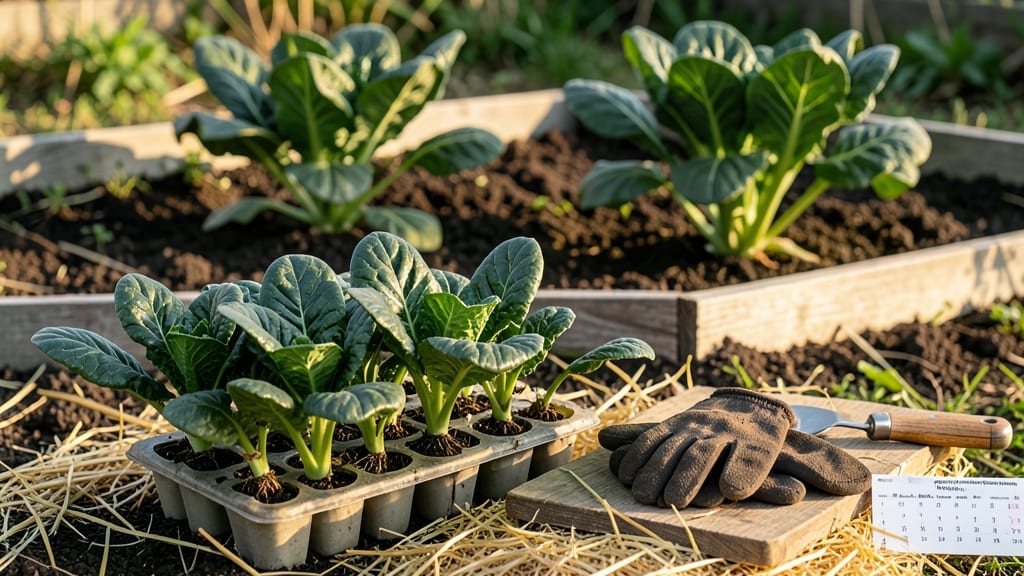
Planting collards in Mississippi at the wrong time means missing out on tender, homegrown greens—because those March and August deadlines aren’t just suggestions. Whether you're a first-time gardener or a seasoned green thumb, timing your 🥬 crop right ensures you beat the heat and avoid frost damage.
Mississippi’s Zone 8a climate gives you two prime windows to grow collards: early spring and late summer. Skip the summer months, though—collards hate the heat and bolt faster than you can say "southern heatwave."
But don’t worry, I’ll show you exactly how to work with Mississippi’s unique frost dates and soil to get the most out of your harvest.
You’ll learn the best varieties for your region, how to prep your soil for clay-heavy Mississippi gardens, and when to plant for continuous harvests from May through November. Plus, I’ll share my top tips for avoiding common mistakes that ruin crops—like overcrowding or ignoring soil pH.
Ready to grow collards that taste like they came from your grandma’s garden? Let’s dive into the exact planting schedule, soil prep, and care tips tailored just for Mississippi gardeners—so you can enjoy those bold, flavorful greens all season long.
Mississippi collard planting deadlines by variety: frost dates and heat tolerance
Mississippi’s USDA Zone 8a climate gives gardeners a 210-day frost-free window, but collards thrive best when planted strategically to avoid heat stress or early frost damage. The last average frost date in Mississippi is March 15, while the first frost typically arrives November 15.
However, microclimates—especially in North Mississippi (like Tupelo) vs. South Mississippi (like Biloxi)—can shift these dates by 1-2 weeks.
For spring plantings, aim to sow seeds 4-6 weeks before your last frost date—typically late February to early March in most regions.
This gives seedlings time to establish roots before summer heat peaks. Fall plantings, however, require even more precision: start seeds August 15–September 15 for a winter harvest before temperatures drop below 30°F.
| Variety | Heat Tolerance | Spring Planting Window | Fall Planting Window | Notes |
|---|---|---|---|---|
| Georgia Southern | High | Late Feb–Early March | Late Aug–Mid-Sept | Best for summer heat; avoid planting after May 15. |
| Blue Max | Medium | Early March–Mid-April | Mid-Aug–Early Sept | Cold-hardy; ideal for North MS gardens. |
| Vates | Low | Early March | Late July–Early Aug | Slow-growing; plant early spring only. |
| Top Bunch | High | Late Feb–Early March | Late Aug–Mid-Sept | Compact; great for container gardening. |
If you’re in North Mississippi, where nights can dip into the 20s°F in winter, opt for cold-hardy varieties like Blue Max or Vates. These handle light frosts better than heat-loving types.
In South Mississippi, where winters are milder, you can push fall plantings slightly later—even into early October—but cover young plants with row fabric if a 28°F freeze is forecasted.
Mississippi’s clay-heavy soils can slow germination, so pre-soak seeds for 8 hours before planting. Mix in compost or aged manure to improve drainage, and space seedlings 12–18 inches apart to prevent crowding, which invites pests like cabbage worms.
Mulch with straw or pine needles to retain moisture and regulate soil temperature.
For container gardening, choose Top Bunch or Georgia Southern varieties—their compact size fits 5-gallon pots well. Use a lightweight potting mix with perlite to prevent waterlogging, and place containers in full sun (6+ hours daily). In containers, water every 2–3 days since pots dry out faster than garden beds.
Mississippi’s humid summers can stress collards, causing bolting (premature flowering). To delay bolting, provide afternoon shade with a cloth row cover during June–July. Avoid over-fertilizing with high-nitrogen feeds, which promote leafy growth at the expense of heat tolerance. Instead, use a balanced 10-10-10 fertilizer every 4–6 weeks.
Pro tip: Direct-sow seeds in Mississippi—transplants struggle with the heat shock of summer. Plant seeds ½ inch deep and keep soil moist until germination (7–14 days). If you miss the spring window, don’t despair: fall plantings often yield the sweetest, most tender leaves.
Remember, succession planting is key for continuous harvests. Sow a second batch every 2 weeks in spring and fall to ensure a steady supply of collard greens
Mississippi collard planting deadlines by variety: frost dates and heat tolerance
Mississippi’s USDA Zone 8a climate lets you grow collards year-round, but timing varies by variety. Cold-hardy types like 'Georgia Southern' thrive in early spring, while heat-tolerant 'Top Bunch' handles summer better.
Know your last frost date—typically March 15 in North MS and March 1 in South MS—to avoid frost damage.
For spring plantings, start seeds 4-6 weeks before last frost (late January to early February). Fall plantings should go in August-September to mature before first frost (November 15). Southern MS gardeners have a 2-week window longer than northern regions.
| Variety | Best Planting Window | Heat Tolerance | Frost Hardiness |
|---|---|---|---|
| 'Georgia Southern' | Feb 15 - Mar 15 | Moderate | Tolerates light frost |
| 'Top Bunch' | Aug 1 - Sep 15 | High | Sensitive to frost |
| 'Blue Max' | Feb 1 - Mar 10 | Moderate | Cold-hardy |
| 'Vates' | Aug 15 - Sep 30 | High | Frost-sensitive |
Adjust for microclimates—valleys stay cooler, while slopes warm faster. Use row covers if planting early in cooler areas. Southern MS gardeners can push spring plantings to April 1 safely, while northern areas should stop by March 20.
Heat-tolerant varieties like 'Top Bunch' can handle 90°F+ days better than traditional types. If summer planting, provide afternoon shade and mulch heavily to retain moisture. Always water at soil level, not overhead, to prevent fungal issues.
Mississippi’s extended growing season means you can double-harvest—spring and fall crops. Plan for 60-75 days to maturity, and stagger plantings every 2 weeks for continuous greens. Use companion plants like radishes or onions to deter pests.
Remember: Soil temp matters too—wait until soil reaches 50°F for spring plantings. Use a soil thermometer to check. In fall, aim for 60°F+ soil temps for best germination.