
Plants
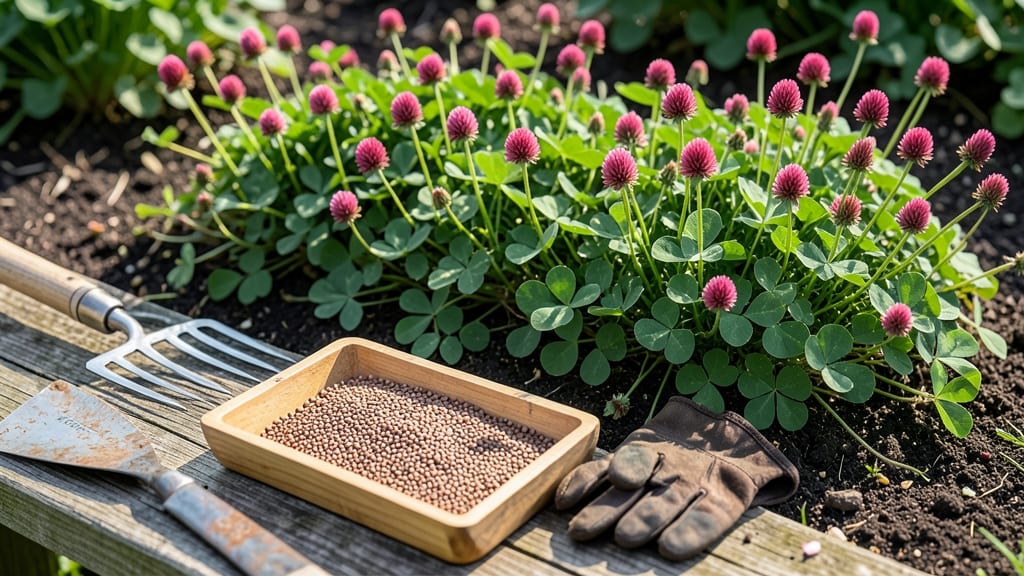
If you’ve ever struggled with patchy lawns or weak soil in Utah, planting clover at the right time could be your game-changer.
This hardy 🌱 thrives in Utah’s USDA Zones 5-7 (like Salt Lake City’s 6b), but getting the timing wrong means bolting before it even takes root—or freezing before it establishes.
The secret? Planting in early spring (March-April) or late summer (August-September) when soil temperatures hit 50°F. This avoids Utah’s brutal heat waves and early frosts—both notorious for stunting growth. Whether you’re aiming for a lush ground cover or nitrogen-rich soil, nailing these windows makes all the difference.
But here’s the catch: Utah’s microclimates vary wildly. Mountain regions like Park City have cooler springs, while the high desert near St. George bakes early.
I’ll break down exactly how to adjust your schedule based on elevation, frost dates, and even clover variety—so you skip the guesswork and get perfect results every time.
Ready to transform your yard? Let’s dive into the ideal planting calendar, soil prep tricks, and which clover types handle Utah’s extremes best. Your lawn’s future starts with timing—and I’ve got the exact plan for you.
Best planting months for clover in Utah’s unique climate zones
Utah’s climate varies dramatically from the high desert’s dry heat to mountain regions with cooler temperatures. These differences mean white clover and red clover thrive best in specific windows.
In Northern Utah (e.g., Logan, Ogden), aim for March to April or late August to September to avoid early frosts or summer heat stress. Southern Utah (e.g., St. George, Cedar City) can plant slightly later, around April to May or September to October, due to milder winters.
Clover seeds germinate best when soil temperatures hit 50–60°F (10–15°C). In Utah’s high desert, this often aligns with early spring or late summer. Mountain regions may need to wait until May to avoid late frosts.
Always check your local USDA hardiness zone (Utah ranges from 5 to 7) for precise timing.
For white clover, which is more cold-hardy, early spring planting is ideal. It establishes quickly before summer’s heat sets in. Red clover, however, prefers late summer planting to avoid bolting (flowering prematurely) in Utah’s hot summers. Both varieties benefit from well-draining soil and full sun exposure.
Here’s how Utah’s microclimates influence planting windows:
| Region | Ideal Planting Window | Soil Temp. Threshold | Key Consideration |
|---|---|---|---|
| Northern Utah (Logan, Ogden) | March–April or August–September | 50–60°F (10–15°C) | Avoid late frosts in spring |
| Southern Utah (St. George, Cedar City) | April–May or September–October | 55–65°F (13–18°C) | Hotter summers delay planting |
| Mountain Regions (Park City, Moab) | May–June or August–September | 45–55°F (7–13°C) | Cooler temps extend growing season |
If you’re planting white clover for lawns or red clover for soil improvement, late summer is often the safest bet. This timing lets seeds establish before Utah’s first frosts (mid-October in most areas). For white clover, early spring works well too, as it spreads quickly before summer’s heat.
Always test your soil’s pH level (clover prefers 6.0–7.0) and amend with compost if needed. Utah’s alkaline soils often require sulfur or peat moss to adjust pH. A soil test from your local Cooperative Extension office ensures you’re on the right track.
For high-elevation areas (above 7,000 feet), like Cache Valley, delay planting until late May to avoid frost damage. These regions have shorter growing seasons, so focus on cold-hardy varieties like Ladino clover.
In contrast, low-desert areas (e.g., near Great Salt Lake) can plant as early as February for a head start.
Watering is critical in Utah’s dry climate. After planting, keep soil consistently moist (about 1 inch per week) until clover establishes (4–6 weeks). Once rooted, clover becomes drought-tolerant, but deep watering every 10–14 days keeps it lush. Mulching with straw retains moisture and suppresses weeds.
Timing your clover planting right in Utah isn’t just about months—it’s about microclimates, soil prep, and variety selection. By following these guidelines, you’ll avoid the pitfalls of bolting or winterkill and enjoy a nitrogen-rich lawn or forage crop year after year.
How to time clover planting for Utah’s frost dates and heat waves
Utah’s frost dates and heat waves can make or break your clover planting success. The key is to plant when soil temperatures hit 50–60°F—this triggers germination without risking bolting from summer heat.
In most of Utah, aim for March–April (spring) or August–September (late summer), but adjust for your specific region.
For example, Salt Lake City (Zone 6b) has an average last frost around April 15, while St. George (Zone 8a) can plant as early as February if soil warms quickly. Mountain areas like Park City (Zone 5) may need to wait until late May to avoid frost damage.
Here’s how to calculate your perfect planting window: Check your local USDA Zone and add 2–4 weeks after the last frost date. Use a soil thermometer to confirm temperatures—50°F is the magic number for germination.
If you plant too early, clover may bolt; too late, and it won’t establish before winter.
Pro tip: In Utah’s high desert regions, late summer planting (August) works well because cooler nights reduce bolting risk. Just avoid planting in July or early August when daytime temps often exceed 90°F, stressing young seedlings.
⚠️ Avoid These Timing Mistakes
- Planting in May: Heat stress causes bolting before establishment.
- Skipping soil prep: Cold, compacted soil delays germination.
- Ignoring elevation: Mountain clover needs 2–3 weeks later than valley areas.
Bolting (premature flowering) is the #1 killer of Utah clover—avoid it by sticking to cool-season windows.
Once you’ve nailed the timing, focus on watering consistency for the first 3 weeks. Clover needs 1 inch of water weekly to establish roots, but once established, it’s drought-tolerant. Mulch lightly with straw to retain moisture and regulate soil temps—this is especially critical in Utah’s dry, windy conditions.
For mountain regions, consider a light row cover in early spring to protect seedlings from late frosts. In low-elevation desert areas, shade cloth (30–50%) can prevent heat stress during late summer plantings. Both tricks buy you 2–4 extra weeks of safe growing time.
Timing isn’t just about months—it’s about microclimates. Use these adjustments to turn Utah’s extremes into your clover’s advantage. With the right schedule, you’ll have vibrant, bolting-free clover all season long.