
Plants
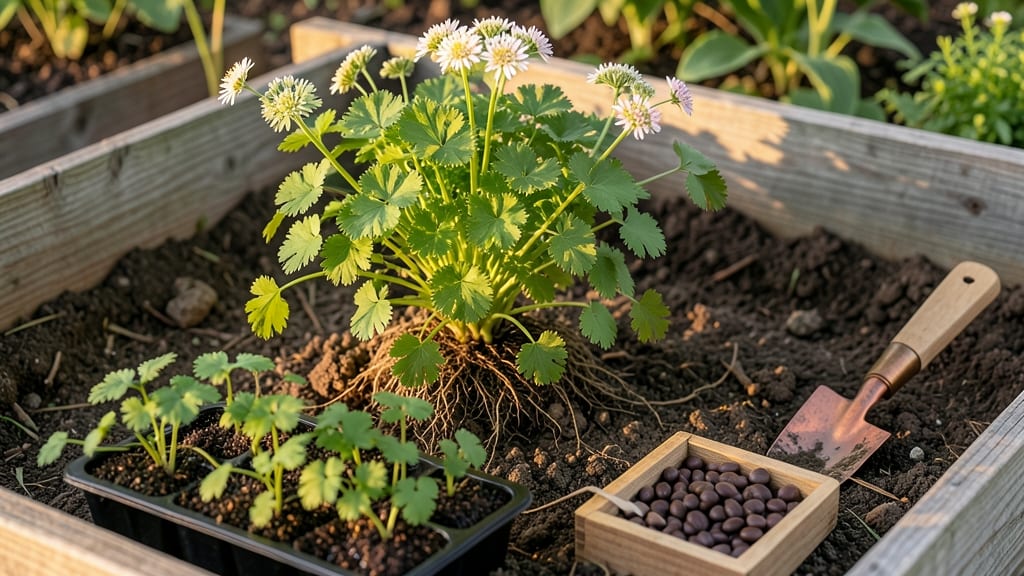
Timing your cilantro planting in Missouri makes all the difference between a thriving herb garden and a sad, bolted disappointment. The Show-Me State’s 5b-6b climate means you’ve got two perfect windows—spring and fall—where this 🌿-loved herb actually behaves.
Plant too early, and frost will nip your seedlings. Wait too long, and Missouri’s summer heat will send your cilantro running to seed faster than you can say “taco night.”
I’ll break down the exact months to start seeds or transplants, plus pro tips to stretch your harvest beyond the usual May-June rush.
Whether you’re a first-time gardener or a seasoned green thumb, getting this right means fresh cilantro for salsas, soups, and guacamole all season long. Let’s skip the guesswork and dive into the best planting schedule for Missouri’s unique growing conditions.
You’ll learn how to time your plantings for cool soil, avoid bolting, and even troubleshoot common mistakes that turn cilantro into a finicky diva. Ready to grow the freshest 🌿 in your kitchen? Let’s get started.
Best planting windows for cilantro in Missouri’s climate zones
Missouri’s USDA Zones 5b-6b create a tricky balance for cilantro lovers—too early, and frost zaps tender seedlings; too late, and scorching heat sends your plants bolting. The key is planting during cool-season windows when soil temps hover between 45°F and 75°F.
In most of Missouri, that means early spring (March–April) and late summer/early fall (August–September), but exact timing varies by region.
For northern Missouri (e.g., St. Louis), aim for March 15–April 15 to avoid late frosts (average last frost: April 15). In central/southern Missouri (e.g., Springfield, Kansas City), you’ve got a 10–14 day window later—target March 25–April 1—since frost dates shift slightly southward.
Always check your local frost-free date to time it right.
Here’s the golden rule: Plant cilantro 4–6 weeks before your area’s last expected frost, but never after soil temps hit 75°F. Missouri’s summer heat (often exceeding 90°F) triggers bolting within 2–3 weeks, so avoid planting after June 1 unless you’re using shade cloth or container gardening.
🌱
| Region | Spring Planting Window | Fall Planting Window | Soil Temp for Germination | Last Frost Date |
|---|---|---|---|---|
| Northern MO (St. Louis) | March 15–April 15 | August 15–September 15 | 45°F–75°F | April 15 |
| Central MO (Columbia) | March 20–April 5 | August 20–September 10 | 45°F–75°F | April 10 |
| Southern MO (Springfield) | March 25–April 10 | August 25–September 5 | 45°F–75°F | April 5 |
| All Regions (Containers) | April 1–May 15 | September 1–October 1 | 50°F–70°F | N/A (protected) |
Pro tip: Use container gardening to extend your season. Pots let you move cilantro to shaded spots or elevated beds during heatwaves, buying you 2–4 extra weeks of harvest time. Just ensure containers have drainage holes—cilantro hates soggy roots.
For fall plantings, start seeds indoors 6–8 weeks before your first frost (aim for August 1–15 in most of Missouri). Transplant seedlings outdoors 2–3 weeks before the first frost date to give them time to establish before cooler temps set in.
In southern Missouri, you might even squeeze in a late-September sowing for a harvest before winter.
Missouri’s humidity fluctuations can also play havoc on cilantro. If your area experiences high humidity in summer (common in the Bootheel region), opt for dwarf varieties like ‘Calypso’ or ‘Santo’—they’re more heat-tolerant and bolt 30% slower than standard types.
💧
Always test your soil temperature before planting. Stick a soil thermometer 2 inches deep—if it reads below 45°F, wait. For fast germination, aim for 60°F–70°F. In Missouri’s unpredictable springs, this might mean waiting until mid-April even if frost dates suggest earlier planting.
Finally, succession planting is your secret weapon. Sow new seeds every 2–3 weeks during your planting window to ensure a continuous harvest. This works especially well in fall, where staggered plantings can give you cilantro from September through November before frost hits.
Best planting windows for cilantro in Missouri’s climate zones
Missouri’s USDA zones 5b-6b mean cilantro thrives in cool seasons but wilts under summer heat. The key is planting when soil temps stay between 45°F and 75°F—any hotter, and your cilantro will bolt (flower prematurely).
For most of Missouri, this means two ideal windows: early spring and late summer.
In northern Missouri (St. Louis, Columbia), aim for March 15–April 15 for spring plantings. Wait until soil warms to 50°F+—test with a thermometer or wait until daffodils bloom. For fall, plant August 1–September 15 to harvest before first frost (mid-October).
Southern Missouri (Springfield, Joplin) has slightly longer seasons. Start spring plantings February 20–March 30 and fall plantings July 15–August 30. These areas can handle 5–10 extra days of heat tolerance, but avoid planting after May 15 or before September 1.
| Zone | Spring Planting | Fall Planting | Soil Temp | Last Chance |
|---|---|---|---|---|
| Northern MO (St. Louis) | March 15–April 15 | August 1–Sept 15 | 50°F+ | May 1 |
| Central MO (Columbia) | March 1–April 10 | July 20–Aug 25 | 48°F+ | April 25 |
| Southern MO (Springfield) | Feb 20–March 30 | July 15–Aug 30 | 52°F+ | May 10 |
🌱 Pro Tip: Use a soil thermometer to confirm temps—cilantro seeds need 60°F+ to germinate.
Missouri’s humidity spikes in summer, making late-season plantings risky. If you miss the fall window, opt for shade-tolerant varieties like ‘Calypso’ or ‘Santo’ and use 30% shade cloth to delay bolting. For container gardening, start seeds indoors 4–6 weeks before your target outdoor date.
Always harden off seedlings for 7–10 days before transplanting. Place them in partial shade during the day and move to full sun only after soil temps drop below 75°F in late summer. This gradual transition prevents shock and bolting.
Missouri’s unpredictable spring rains can delay planting—monitor Almanac frost predictions and adjust. If frost threatens after planting, cover seedlings with row fabric until danger passes. With the right timing, you’ll enjoy fresh cilantro for 6–8 weeks per planting.