
Plants
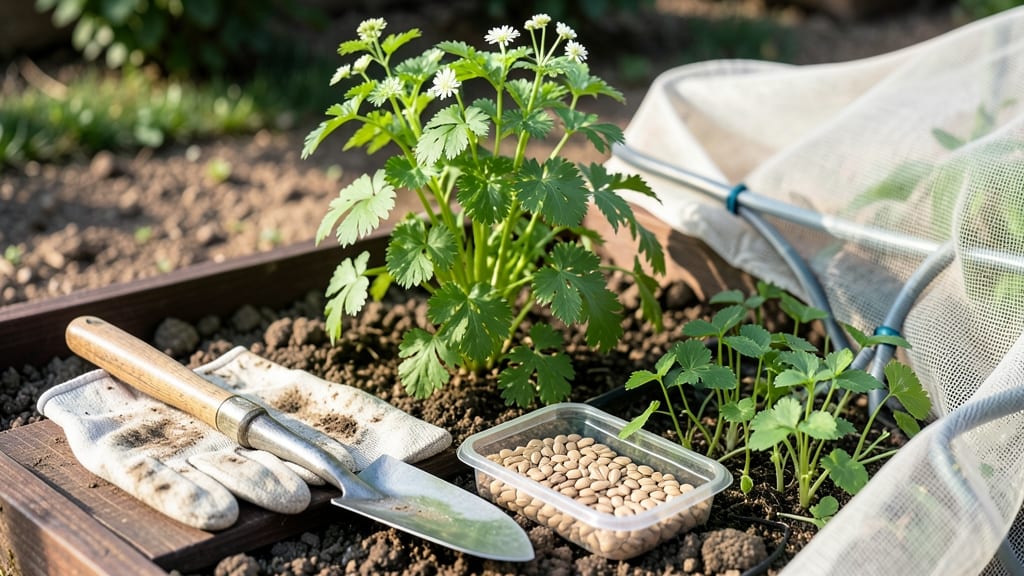
Planting cilantro in Arizona might seem tricky with its brutal summers, but timing is everything—and the perfect windows exist. If you've ever watched your cilantro bolt into flower within days, you know how critical this is.
The key lies in cooler months when temperatures dip just enough to give your 🌿 cilantro a fighting chance.
For Arizona gardeners, the ideal planting times are September-October and again in February-March, aligning with the state's USDA Zone 9b climate. These periods offer the cooler temperatures cilantro craves while avoiding the extreme heat that triggers bolting.
Whether you're in Phoenix or the high desert, this timing makes all the difference.
What you'll discover is how to extend your harvest by using shade cloth, proper watering techniques, and soil prep tailored for Arizona's unique conditions. We're talking about fresh cilantro from October through April—no more store-bought substitutes!
Ready to transform your garden into a cilantro powerhouse? Let's dive into the exact strategies that work in Arizona's desert heat, so you can enjoy homegrown flavor all season long.
Best planting windows for cilantro in Arizona’s desert climate
Arizona’s USDA Zone 9b climate creates unique challenges for growing cilantro. Unlike cooler regions, the desert’s intense heat causes cilantro to bolt prematurely, turning your fresh herb into bitter seed stalks.
The key to success? Planting during cooler months when temperatures stay below 75°F during the day and above 50°F at night.
Your best bets are late summer through early spring, with two primary windows: September-October and February-March. These months align with Arizona’s monsoon season and winter rains, providing natural moisture without extreme heat.
Even in Tucson’s high desert or Phoenix’s urban heat islands, these timing strategies work with minor adjustments.
Let’s break down the ideal planting months, temperature thresholds, and microclimate considerations to maximize your cilantro’s potential. The summary table below shows the best windows, bolting risks, and harvest expectations for each season.
| Planting Window | Ideal Months | Temperature Range (°F) | Bolting Risk | Harvest Window | Notes |
|---|---|---|---|---|---|
| Late Summer | August-September | 65-75°F (day) / 55-65°F (night) | Moderate (use shade) | October-November | Best for Phoenix; sow after monsoon rains. |
| Fall | September-October | 60-70°F (day) / 50-60°F (night) | Low | October-December | Best overall window; soil stays warm but nights cool. |
| Winter | December-January | 50-65°F (day) / 35-45°F (night) | None (cold tolerance) | January-March | Slow growth; protect from freeze events (rare in AZ). |
| Early Spring | February-March | 60-70°F (day) / 45-55°F (night) | Low (spring warmth) | March-April | Ideal for Tucson/Flagstaff; avoid planting after March 15. |
| Late Spring | April-May | 75-85°F (day) / 55-65°F (night) | High (bolt risk) | Minimal harvest | Avoid unless using shade cloth. |
For Phoenix gardeners, late summer (August-September) is your best bet—just time it with the monsoon season to take advantage of natural rainfall. In Tucson’s high desert, you can push planting into early October thanks to cooler nights. Meanwhile, Flagstaff’s higher
Best planting windows for cilantro in Arizona’s desert climate
Arizona’s USDA Zone 9b climate demands precise timing for cilantro—this cool-season herb bolts (goes to seed) when temperatures exceed 75°F. The sweet spot? Plant when daytime highs stay below 80°F and nights dip to 55-65°F.
This means focusing on late summer, fall, winter, and early spring windows while avoiding the brutal June-August heat.
Your two best opportunities are September-October (late summer/fall) and February-March (early spring). These months offer cooler temps while still providing enough warmth for germination. Flagstaff’s high desert can handle slightly later plantings (October-November), while Phoenix and Tucson should aim for September or February to avoid heat stress.
Here’s how Arizona’s microclimates break down for cilantro success:
| Region | Best Planting Window | Key Temp Threshold | Bolting Risk |
|---|---|---|---|
| Phoenix/Tucson (Low Desert) | September 15-October 15 February 1-March 15 |
Daytime: <65°F Nighttime: >50°F |
High (bolts by May) |
| Flagstaff/Sedona (High Desert) | August 20-September 30 March 1-April 15 |
Daytime: <70°F Nighttime: >40°F |
Moderate (bolts by June) |
| Yuma (Extreme Low Desert) | October 1-November 15 January 15-February 15 |
Daytime: <72°F Nighttime: >45°F |
Very High (bolts by April) |
For successful germination, cilantro seeds need soil temps between 60-70°F. In Arizona, this means waiting until late August for low-desert areas or early September for higher elevations. Use a soil thermometer to confirm—if temps creep above 75°F, delay planting by 2-4 weeks.
Pro tip: Sow seeds in stages every 2-3 weeks during your chosen window. This staggered approach ensures a continuous harvest and reduces bolting risk. For example, plant half your seeds in September and the rest in mid-October—this way, you’ll have fresh cilantro through November before the heat returns.
Remember, cilantro’s harvest window is just 45-60 days from planting. Miss the timing, and you’ll be left with bitter, bolted plants. Plan ahead and mark your calendar for those September and February deadlines! 🌿