
Plants
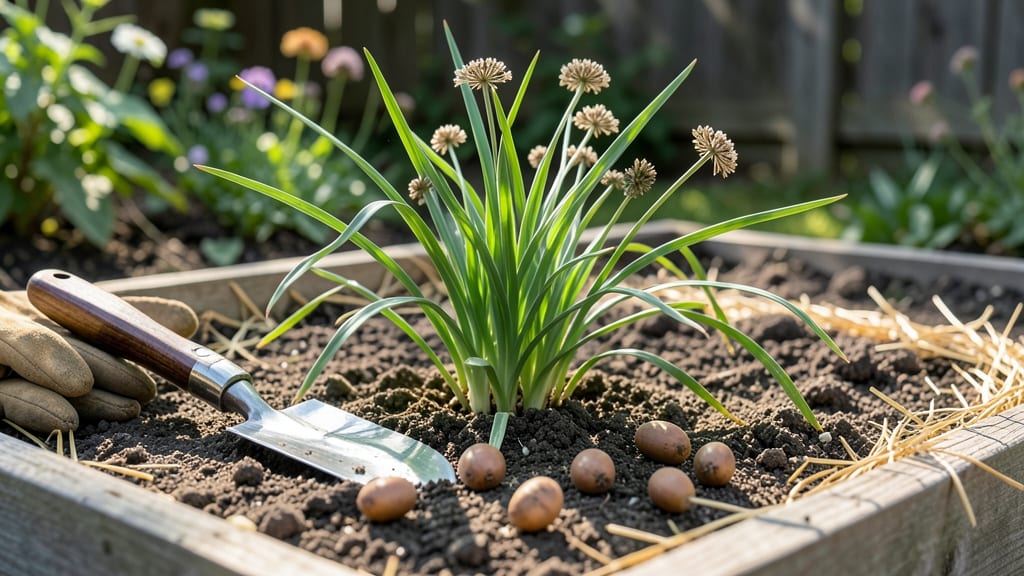
If you're dreaming of growing chufa—that nutty, crunchy tuber with a taste like a cross between chestnut and peanut—when to plant chufa in Georgia is the first question you need to nail.
Georgia’s climate is practically begging you to try, but timing your planting just right is the key to avoiding frost damage and unlocking those sweet, edible tubers by harvest season.
The perfect window for planting 🌾 chufa in Georgia opens in late spring, once soil temperatures hit a steady 65°F and the last frost has passed for good. That usually lands between April and June, depending on whether you're in North Georgia’s cooler zones or South Georgia’s warmer stretches.
Get it wrong, and you might end up with stunted plants—or worse, a crop wiped out by an unexpected chill.
Why does this matter? Because chufa thrives in Georgia’s summer heat, but it needs a strong start. Plant too early, and frost will nip your seedlings in the bud. Too late, and you’ll miss the 90-day growing window needed to harvest those tubers before fall sets in.
The sweet spot? Aim for June in most regions, when the soil is warm and the days are long.
I’ll walk you through exactly how to read Georgia’s microclimates, prep your soil for success, and avoid the three biggest mistakes that turn would-be harvests into flops. Let’s get your chufa off to the best possible start.
Georgia’s ideal chufa planting months by region (with frost risk zones)
Georgia’s diverse climate means your chufa planting window varies dramatically from the mountains of North Georgia to the coastal plains of South Georgia. In Zone 7a-7b (north), late frosts can linger until mid-April, while Zone 8b-9a (south) enjoys frost-free conditions by early March.
The key is planting after soil temperatures hit 65°F—a threshold chufa seeds need to germinate reliably.
For maximum tuber development, aim for June planting in most regions, giving your crop 120 days of warm weather before Georgia’s first frost. However, South Georgia growers can push planting into early July with excellent results, thanks to their extended growing season.
Timing isn’t just about months—it’s about soil warmth and frost risk.
Here’s how to match your planting schedule to Georgia’s microclimates for foolproof chufa success:
| Region | USDA Zone | Last Frost Date | Ideal Planting Window | Soil Temp Requirement | Key Risk |
|---|---|---|---|---|---|
| North GA (Zone 7a-7b) | 7a-7b | Mid-April | Late May - Early June | 65°F+ | Late frost damage |
| Central GA (Zone 8a) | 8a | Early April | May - June | 65°F+ | Summer drought stress |
| South GA (Zone 8b-9a) | 8b-9a | Early March | June - Early July | 65°F+ | Hurricane season |
If you’re in Zone 7a-7b, wait until after May 15 to plant—this gives you a 90% buffer against late frosts that can kill young chufa shoots. Use a soil thermometer to confirm temperatures are stable above 65°F for at least 3 days before planting.
In South Georgia, where humidity is higher, opt for raised beds to improve drainage and reduce fungal risks.
Pro tip: Direct sowing is best for chufa—transplants struggle with the tuber development process. Scatter seeds 1 inch deep in rows spaced 12 inches apart, then thin seedlings to 6 inches apart once they’re 2 inches tall.
This spacing gives tubers room to bulk up without competing for nutrients.
For container growing in Georgia’s hotter zones, use 5-gallon pots with drainage holes and plant 3-4 seeds per pot. These will mature faster in Zone 8b-9a due to the longer growing season, often ready for harvest by late August if planted in early June.
Remember: Chufa thrives on heat, but overwatering in summer can cause tubers to rot. Once established, these plants are drought-tolerant, so focus on deep watering every 7-10 days rather than frequent shallow drinks. The goal is consistent moisture, not soggy soil.
How to time chufa planting for maximum yield: soil prep and spacing tips
Timing your chufa planting isn’t just about avoiding frost—it’s about giving those tubers the perfect head start. In Georgia, the ideal window spans from late May through early June, when soil temperatures consistently hit 65°F+ and stay there.
This warm soil kickstarts germination within 10-14 days, setting the stage for robust tuber development before summer’s peak heat arrives.
Before you even plant, your soil needs a well-draining foundation. Chufa hates soggy roots—amend heavy clay with compost or coarse sand to improve aeration. Aim for a pH between 6.0-7.0, which you can test with a simple soil kit.
If your garden soil falls outside this range, adjust with lime (to raise pH) or sulfur (to lower pH) 4-6 weeks before planting.
- Test soil pH (6.0-7.0 ideal) 📋
- Add compost (2-3 inches deep) 🌿
- Plant after last frost (late May-early June) ⏰
- Space seeds 6-12 inches apart (tubers need room to grow) 📏
- Water deeply (1 inch per week) 💧
When it’s time to plant, use whole chufa tubers (not seeds) and bury them 1 inch deep, spaced 6-12 inches apart in rows. This spacing prevents overcrowding, which leads to smaller tubers and increased disease risk.
For maximum yield, plant in raised beds or mounded rows to improve drainage—a critical factor in Georgia’s humid summers.
After planting, maintain consistent moisture without waterlogging. Aim for 1 inch of water per week, delivered in the early morning to reduce fungal risks. Mulch with straw or wood chips to retain moisture and suppress weeds, which compete for nutrients.
This is especially important during Georgia’s dog days of summer (July-August), when evaporation rates skyrocket.
One often-overlooked tip? Thin seedlings when they’re 2-3 inches tall, leaving the strongest stems spaced 8-10 inches apart.
This might seem counterintuitive, but it ensures each plant gets enough nutrients to produce large, high-quality tubers—the kind that’ll fetch top dollar at farmers' markets or make your homemade tiger nut milk extra creamy.
By following these steps, you’ll give your chufa crop the best possible start, setting up a high-yield harvest in late summer or early fall. The key is patience—chufa takes 90-120 days to mature, but the payoff is worth the wait.
Just imagine those golden tubers ready to harvest as Georgia’s temperatures begin to cool! 🌾