
Plants
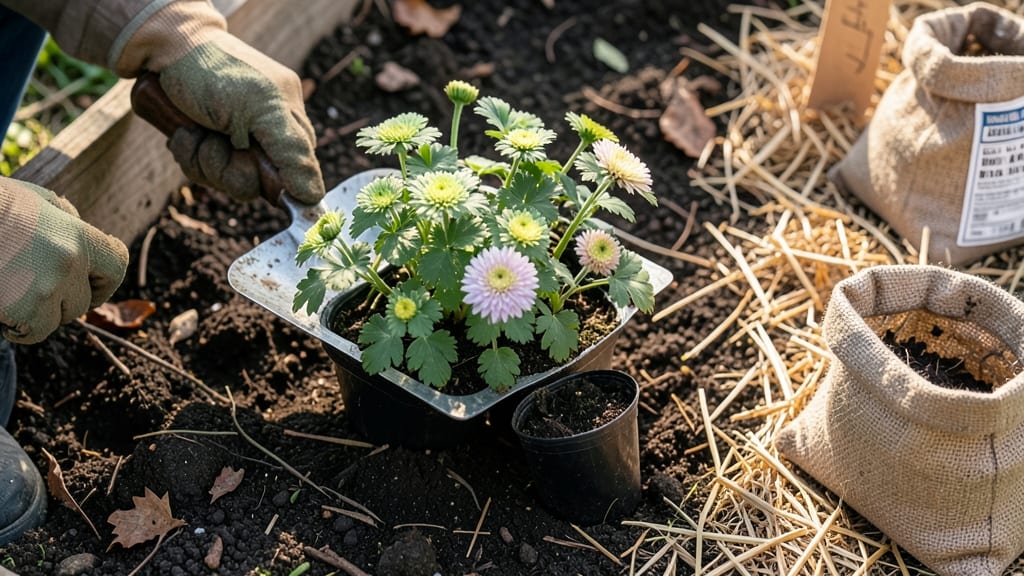
Planting chrysanthemums in the fall is your secret weapon for next year's vibrant blooms—but timing it wrong can leave your 🌼 struggling to survive winter. If you've ever wondered why some gardeners get lush chrysanthemums while others see sparse growth, the answer likely lies in when they planted them.
The key to success isn't just about planting in fall—it's about planting at the right moment. For most gardeners in Zone 6a, that means getting your chrysanthemums in the ground 4-6 weeks before the first frost.
This window gives roots time to establish without inviting winter's chill too soon.
Why does this matter? Fall-planted chrysanthemums develop stronger root systems before winter dormancy, which translates to healthier plants and more abundant blooms when spring arrives. Plus, you avoid the common mistake of planting too early, which can lead to weak, leggy growth or even frost damage.
In this guide, I'll walk you through the exact timing for your region, soil prep tips, and how to maximize your chrysanthemums' potential—so you can enjoy a garden bursting with color next season. Let's get those roots growing right.
Optimal fall planting timeline for chrysanthemums by US hardiness zones
Planting chrysanthemums in the fall gives them a head start on root growth before winter. The key is timing: aim for 6-8 weeks before your first frost.
This window ensures your plants establish roots but don’t get caught in early cold snaps. For example, in Zone 5, that’s typically late August to early September.
Chrysanthemums thrive when planted in cooler soil, which happens naturally as summer fades. If you plant too early, the heat can stress young roots. Conversely, planting too late leaves them vulnerable to frost damage before they’re established. Always check your local frost dates to adjust timing accordingly.
Regional variations matter—coastal areas may have milder winters, while inland zones face harsher frosts. For instance, Zone 8 gardeners can plant until mid-October, while Zone 3 should finish by early September. Use the table below for precise guidance tailored to your zone.
Pro Tip: If your fall window is tight (like in Zone 10), opt for hardy varieties like ‘Bonanza’ or ‘Mammoth’ that tolerate cooler temperatures. These can handle late-season planting better than tender types.
| USDA Zone | Ideal Planting Window | First Frost Date | Notes |
|---|---|---|---|
| Zone 3 | Late August | Mid-October | Use cold-hardy varieties |
| Zone 4 | Early to mid-September | Late October | Mulch heavily after planting |
| Zone 5 | Late August to early September | Mid-October | Avoid planting after September 15 |
| Zone 6 | Mid-September | Early November | Extend window with row covers |
| Zone 7 | Late September to early October | Mid-November | Perfect for late bloomers |
| Zone 8 | Mid-October | Early December | Mild winters allow later planting |
| Zone 9 | Early November | Mid-December | Use shade cloth if hot |
| Zone 10 | Late November | January | Plant in cooler microclimates |
For gardeners in warmer climates (Zones 9-10), fall planting can extend into November. However, avoid planting when soil temperatures exceed 70°F (21°C), as this can cause root stress. Test your soil with a thermometer before planting to ensure it’s cooled enough.
If you miss the ideal window, don’t panic! Chrysanthemums can tolerate late fall planting as long as you protect them with mulch and row covers. Just be prepared for smaller blooms the following year, as the plants will focus on root establishment rather than flowering.
Always choose healthy nursery starts with firm stems and vibrant leaves. Avoid plants that are already flowering—they’ll prioritize blooms over root growth, making them less winter-hardy. Look for non-flowering transplants labeled for fall planting.
After planting, water deeply to settle the soil and encourage root contact. A 1-inch layer of mulch will insulate roots and retain moisture. In colder zones, add a 3-inch layer of straw or leaves once temperatures drop below freezing to protect tender varieties.
Remember: the goal is to give your chrysanthemums enough time to establish roots before dormancy. With the right timing, you’ll reward yourself with vibrant blooms next spring and summer—worth the patience!
How to prepare chrysanthemum plants for fall planting success
Preparing your chrysanthemums for fall planting is the difference between weak, struggling plants and hardy bloomers that thrive next season. Start by selecting healthy transplants with vibrant green leaves and no signs of disease—these are your best bet for strong root establishment.
Before planting, amend your soil with compost or aged manure to improve drainage and fertility. Chrysanthemums prefer well-draining soil with a slightly acidic to neutral pH (6.0-7.0). If your soil is heavy clay, mix in sand or perlite to prevent waterlogging, which can rot roots.
✅ Step-by-Step Fall Planting Prep
- Test soil pH (aim for 6.0-7.0) using a home test kit or send a sample to your local extension office.
- Loosen soil to a depth of 12 inches with a garden fork to improve root penetration.
- Space plants 12-24 inches apart, depending on variety—dwarf types need less space, while standard varieties require more room to spread.
- Water deeply before planting to help roots settle into moist soil.
- Apply mulch (2-3 inches) after planting to retain moisture and insulate roots from temperature swings.
When choosing your planting site, prioritize locations with full sun exposure (6+ hours daily). Even partial shade can reduce bloom quality, so avoid spots where trees or structures cast long shadows. If your garden lacks sunny areas, consider container gardening—chrysanthemums thrive in pots with proper drainage.
After planting, give your chrysanthemums a light feeding with a balanced fertilizer (5-10-10) to encourage root growth before winter. Water deeply but infrequently—aim for 1 inch of water per week, delivered in the morning to prevent fungal diseases.
Overwatering in fall can lead to root rot, so always check soil moisture before watering again.
Finally, protect young plants from early frost by covering them with frost cloth or row covers if temperatures dip below 40°F. This extra layer gives roots time to harden off naturally, ensuring they’re ready to survive winter dormancy.
With these steps, your chrysanthemums will emerge stronger and more vibrant next spring.
Don’t skip the mulch—it’s your secret weapon for winter protection and spring blooms! 🌿