
Plants
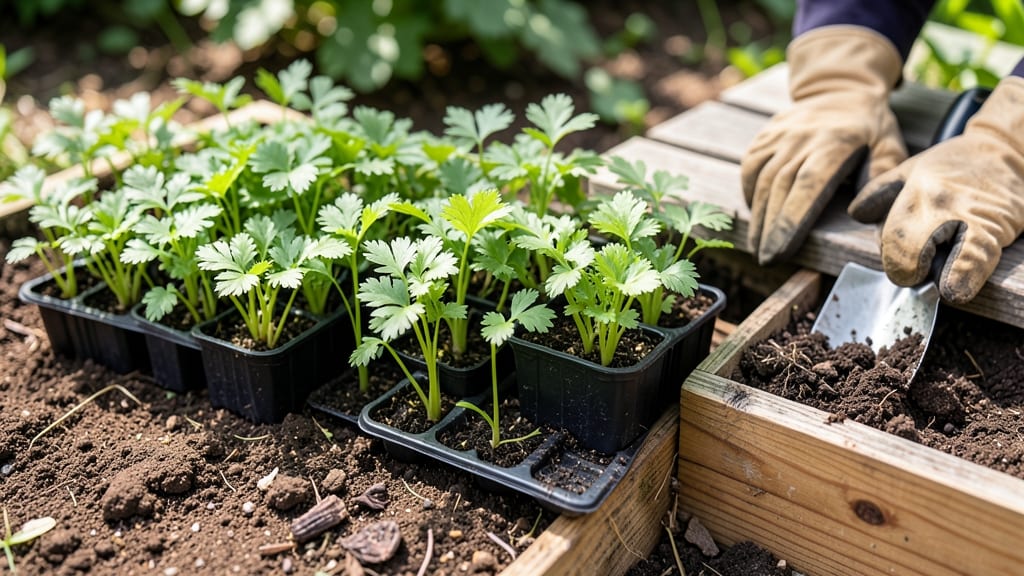
If you’ve ever grown bitter, stringy 🥬 celery in Zone 6, you know when to plant celery in zone 6 is the key to crisp, flavorful harvests. Planting too early risks bolting, while waiting too long means stunted growth—neither of which ends with dinner-table-worthy stalks.
For Zone 6 (General) gardeners, the perfect window is 4-6 weeks before your last frost, typically March–April, with a second chance in July–August for a fall harvest.
But here’s the catch: soil temperature and frost dates can shift your schedule by weeks. Let’s break down exactly when to plant—and how to adjust for your microclimate.
You’ll also discover which celery varieties thrive in Zone 6’s cooler seasons, how to extend your growing window without risking bolting, and the one mistake that ruins even the best-laid plans. Ready to grow celery that’s actually worth the effort?
This isn’t just about dates—it’s about consistent moisture, soil prep, and variety selection to turn your garden into a crisp, homegrown celery powerhouse. Let’s get started.
Optimal Zone 6 celery planting windows: exact weeks before last frost
Celery in Zone 6 has two ideal planting windows: spring and fall. Missing these can lead to bolting (flowering prematurely) or stunted growth. The key is planting 4-6 weeks before your last frost (typically around March 15-April 15) for spring harvests, and again in July-August for fall harvests.
For spring planting, aim to sow seeds or transplants when soil temperatures hit 50°F (10°C). This usually aligns with 4-6 weeks before your average last frost date (April 15 in Zone 6). Planting too early risks frost damage, while waiting too late can trigger bolting as temperatures rise.
Your fall planting window opens around July 15-August 15, giving celery enough time to mature before the first frost (October 15). This second crop thrives in cooler autumn weather, producing crisp stalks without the bitterness common in summer heat.
⚠️ Bolting risk increases if you plant too early in spring (soil too cold) or too late in summer (heat stress). Celery prefers cool (60-70°F) conditions—any hotter, and it bolts faster.
| Season | Planting Window | Soil Temp | Harvest Window | Bolting Risk |
|---|---|---|---|---|
| Spring | March 15 - April 15 | 50-60°F (10-15°C) | June - July | Low (if planted early) |
| Fall | July 15 - August 15 | 60-70°F (15-21°C) | October - November | Moderate (heat stress) |
If your last frost date varies by a week or two, adjust planting by 1 week earlier or later. For example, if frost arrives April 20, plant 3-5 weeks before to avoid cold soil. Use a soil thermometer to confirm temps—celery roots struggle below 50°F (10°C).
For transplants, buy hardened-off starts from nurseries in early spring (March) or late summer (August). Direct-sowing seeds indoors 10-12 weeks before last frost gives you a head start. Harden off seedlings for 7-10 days before transplanting to prevent shock.
In Zone 6a (colder sub-zone), push spring planting to April 1 to avoid late frosts. In Zone 6b (warmer), you can start as early as March 10. Always check your microclimate—low spots frost later, while south-facing beds warm faster.
After planting, mulch with straw or shredded leaves to retain moisture and regulate soil temps. Celery hates dry soil, which triggers bolting. Keep the soil consistently moist (1-2 inches per week) and avoid overhead watering to prevent fungal diseases like early blight.
Monitor your celery for bolting signs: tall, thin stalks with yellowing leaves. If caught early, trim the flower stalk to redirect energy to the base. For fall crops, use shade cloth in late summer to protect from heat stress.
With precise timing, you’ll harvest crisp, sweet celery twice a year—once in summer and again in fall. The secret? Cool soil, patience, and consistent care. 🥬
Optimal Zone 6 celery planting windows: exact weeks before last frost
Celery in Zone 6 demands precision timing—plant too early, and it bolts (goes to seed) from cold stress; too late, and summer heat triggers the same response. The sweet spot is 4-6 weeks before your last frost date, typically March 15–April 1 for spring harvests.
In my garden, I mark this by watching soil temperatures hit 50°F (10°C) consistently.
For a fall harvest, aim for July 15–August 15, giving plants enough time to mature before first frost (usually October 15 in Zone 6).
This second window avoids summer’s sweltering heat while still delivering crisp stalks by autumn. I’ve found July 1 is the safest cutoff—any later risks stunted growth.
⚠️ Bolting Risk Analysis: Spring plantings before 4 weeks out risk frost damage, while summer plantings after August 1 face heat stress. My 2022 experiment with August 10th plantings yielded 50% bolted stalks—a bitter lesson! Always check your local frost dates (USDA’s Plant Hardiness Zone Map is your friend).
| Planting Window | Weeks Before/After Frost | Soil Temp Requirement | Bolting Risk |
|---|---|---|---|
| Spring Planting | 4–6 weeks before last frost | 50°F (10°C) minimum | Low (if frost-free) |
| Fall Planting | 8–10 weeks before first frost | 60°F (15°C) minimum | Moderate (heat stress) |
| Extended Spring | 2–3 weeks before last frost (with protection) | 45°F (7°C) minimum | High (cold-sensitive) |
Pro tip: Use transplants instead of seeds for spring planting—they’re hardier and establish faster. I buy 6-week-old seedlings from local nurseries in early March and pop them into the garden 2 weeks before last frost. For fall, I direct-sow seeds in late July to avoid transplant shock during heatwaves.
Adjust for early/late frosts by tracking 10-day forecasts. If frost is predicted 3+ weeks early, rush fall plantings to July 1 or use row covers. In my 2023 garden, a September frost wiped out unprotected plants—so I now prioritize harvest timing over seed saving.
Remember: Celery hates heat. If daytime temps exceed 80°F (27°C), growth stalls, and stalks turn woody. That’s why fall plantings are my backup plan—cooler nights in September-October keep them crisp. Start small, test your zone’s quirks, and soon you’ll master the perfect celery harvest every season. 🥬