
Plants
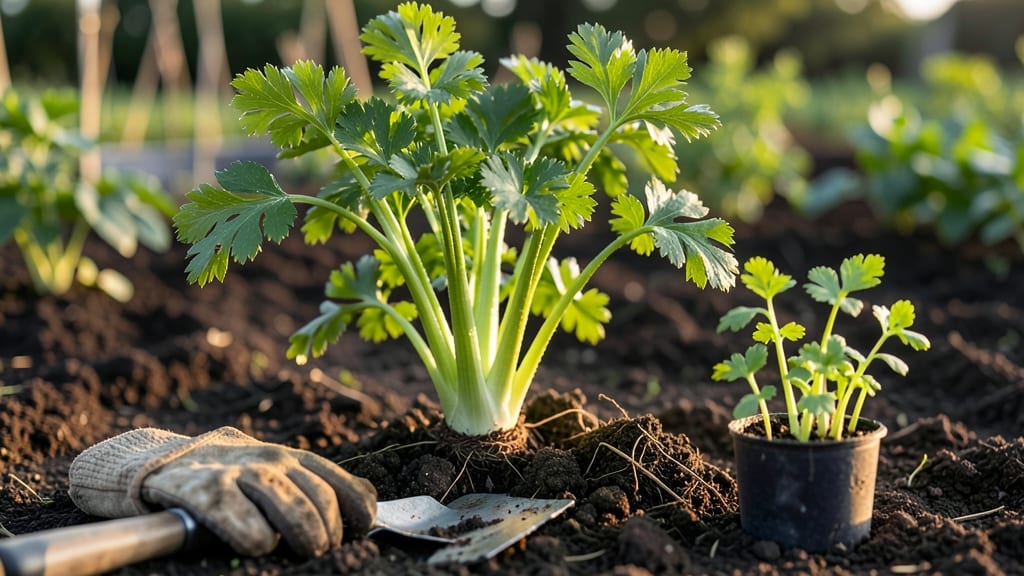
Timing your celery planting in Ohio could mean the difference between a bountiful harvest and a patch of wilted disappointment.
With Ohio’s unpredictable frost dates and short growing season, knowing when to plant celery is the key to crisp, flavorful stalks that thrive from your garden instead of your compost pile.
Celery (🥬) loves cool weather but hates surprises like late frosts, which can ruin tender seedlings. Ohio’s USDA Zone 6a offers two prime windows—early spring (March) or late summer (July-August)—but getting the timing wrong means waiting months for harvests or giving up entirely.
The secret? Planting after the last frost (around April 15) or starting seeds indoors 10-12 weeks before transplanting.
Whether you’re a seasoned gardener or a first-timer, this guide breaks down Ohio’s frost-free windows, variety-specific strategies, and pro tips to extend your harvest. We’ll cover everything from direct sowing to transplanting, so you can avoid common mistakes like planting too early or missing the late-summer window for fall crops.
Ready to grow celery that’s as rewarding as it is delicious? Let’s dive into the exact steps to make your Ohio garden a celery success story—no soggy surprises included.
Ohio’s frost-free planting windows for celery: month-by-month breakdown
Ohio’s USDA Zone 5-6 climate means celery planting hinges on last frost dates, which vary by region. Northern Ohio (e.g., Toledo, Cleveland) typically sees frost until mid-May, while southern Ohio (e.g., Cincinnati, Columbus) warms up by early April.
Celery thrives in cool soil (50-60°F), so timing is everything to avoid leggy, bolt-prone plants.
For spring harvests, start seeds indoors 10-12 weeks before your area’s last frost. This usually means mid-January to February for northern Ohio and late December to January for southern Ohio.
Transplant seedlings outdoors 2-3 weeks after frost—typically late April to early May—when soil temperatures stabilize above 50°F.
| Stage | Action | Northern Ohio | Southern Ohio |
|---|---|---|---|
| Seed Starting Indoors | Sow seeds | Mid-January | Late December |
| Transplant Outdoors | Move seedlings | Late April | Early April |
| Direct Sowing | Plant seeds | Late May | Early May |
| Summer Sowing | Sow for fall harvest | July | Late June |
| Harvest Window | Ready to pick | August-October | July-November |
For fall harvests, sow seeds directly outdoors in July (northern Ohio) or late June (southern Ohio). This second planting gives you crisp stalks from October through November, just before the first hard frost. Use low tunnels or row covers to extend the season by 2-3 weeks if needed.
Ohio’s microclimates can shift planting windows by 2-3 weeks. Urban areas like Columbus often warm up faster than rural zones, while Appalachian regions may stay cooler longer. Check local Cooperative Extension Service data or use a soil thermometer to confirm 50°F+ soil temps before transplanting.
Celery hates heat, so avoid planting after mid-June in southern Ohio or early July in northern Ohio. High temperatures cause bolting (flowering), turning your crisp stalks into bitter, woody stems. If you miss the spring window, opt for slow-maturing varieties like ‘Golden Self-Blanching’ for a late-summer try.
Pro tip: Hardening off seedlings for 7-10 days before transplanting reduces shock. Gradually expose them to outdoor conditions (wind, sun, temperature swings) to mimic Ohio’s unpredictable spring weather. Start with 2-3 hours/day and increase by 1 hour daily.
If you’re direct sowing (skipping the indoor start), plant seeds ¼-inch deep in well-draining soil with high organic matter. Space seeds 6-8 inches apart in rows 18-24 inches apart to allow for celery’s wide base.
Thin seedlings to 6 inches apart once they’re 2 inches tall to prevent competition.
Remember: Celery is a cool-season crop, so avoid planting in summer’s peak heat. Even in Ohio’s humid summers, celery prefers consistent moisture and partial shade during the hottest afternoons. Mulch with straw or shredded leaves to keep roots cool and retain moisture.
🥬
Best celery varieties for Ohio gardens: cold-hardy vs. slow-to-mature options
Ohio’s short growing season demands celery varieties that balance cold tolerance with harvest speed. Some types thrive in early spring, while others need summer’s warmth. Let’s compare your best options to avoid bolting or flopping in Ohio’s heat or frost.
For early spring plantings, prioritize cold-hardy varieties like ‘Tall Utah’—it handles light frosts and matures in 120-140 days. If you’re sowing in late summer, ‘Golden Self-Blanching’ shines with self-blanching stalks and disease resistance.
Here’s how they stack up for Ohio gardeners:
🥬 Celery Variety Comparison
Tall Utah
- Pros: Cold-tolerant, upright stalks
- Cons: Needs staking, slower growth
Golden Self-Blanching
- Pros: Self-blanching, disease-resistant
- Cons: Less cold-hardy, needs warmth
Utah Improved
- Pros: Fast-maturing (100 days), crisp stalks
- Cons: Needs consistent moisture
Primo
- Pros: Compact, great for containers
- Cons: Smaller yield, needs shade in summer
*All varieties benefit from rich, moist soil and regular watering.
For direct sowing in Ohio, ‘Utah Improved’ is my top pick—it matures in just 100 days, giving you a fall harvest before frost. But if you’re transplanting seedlings, ‘Tall Utah’ handles Ohio’s cool springs better than most.
Pro tip: Mix varieties! Plant ‘Golden Self-Blanching’ in July for a late-summer harvest, then follow with ‘Utah Improved’ in August for a fall crop. This succession planting extends your harvest window by 6-8 weeks.
Remember, Ohio’s USDA Zone 5-6 means late frosts are common. Choose varieties with bolting resistance and always harden off seedlings before transplanting to avoid shock.